

Have you ever walked directly into a room and thought the chandelier was too big within the room, or too small? Chandelier sizing can change the look. It also affects the appearance of the room: a chandelier appropriate for the room being used appears well proportioned, while one too small or too large looks out of place.
This guide shows you how to pick a perfect chandelier for each home room using simple math, examples, and tips. You can do it.
This post will teach you how to measure your room. Also, it teaches how to use a chandelier size calculator and how to avoid mistakes so that your light fixture fits your house perfectly.
How to Calculate Chandelier Size?
Finding the right chandelier size doesn’t have to be complicated when you know which method to use for your space.
The Two Main Sizing Methods
For Rooms Without Tables (General Spaces)
The easiest way to size a chandelier for living rooms, bedrooms, or entryways is to use a simple math formula. Take your room’s length and width in feet, add them together, and that number in inches is your ideal chandelier diameter. For example, a 12-foot by 14-foot room would need a 26-inch chandelier (12 + 14 = 26).
This formula works great because it considers the total space you’re working with. A bigger room naturally needs a larger fixture to fill the space properly. I’ve used this method dozens of times, and it rarely fails to create a good balance.
You should use this method any time your chandelier hangs in the middle of a room without being centered over a specific piece of furniture. It’s perfect for general lighting in living rooms, bedrooms, hallways, and foyers where the fixture needs to light the whole space.
Quick Reference Chart
Room Size → Recommended Chandelier Diameter
- 10′ x 10′ room = 20″ chandelier
- 12′ x 12′ room = 24″ chandelier
- 12′ x 14′ room = 26″ chandelier
- 14′ x 16′ room = 30″ chandelier
- 16′ x 18′ room = 34″ chandelier
- 18′ x 20′ room = 38″ chandelier
Table Size → Recommended Chandelier Diameter
- 36″ table = 18-24″ chandelier
- 48″ table = 24-32″ chandelier
- 60″ table = 30-40″ chandelier
- 72″ table = 36-48″ chandelier
These numbers are tested guidelines that work in most homes. You can adjust slightly based on your ceiling height and personal taste, but staying close to these measurements will give you the best results. Keep this chart handy when you’re shopping for fixtures.
Step-by-Step Calculation Process
Let me walk you through each step so you can confidently size your chandelier from start to finish.
Measuring Your Space
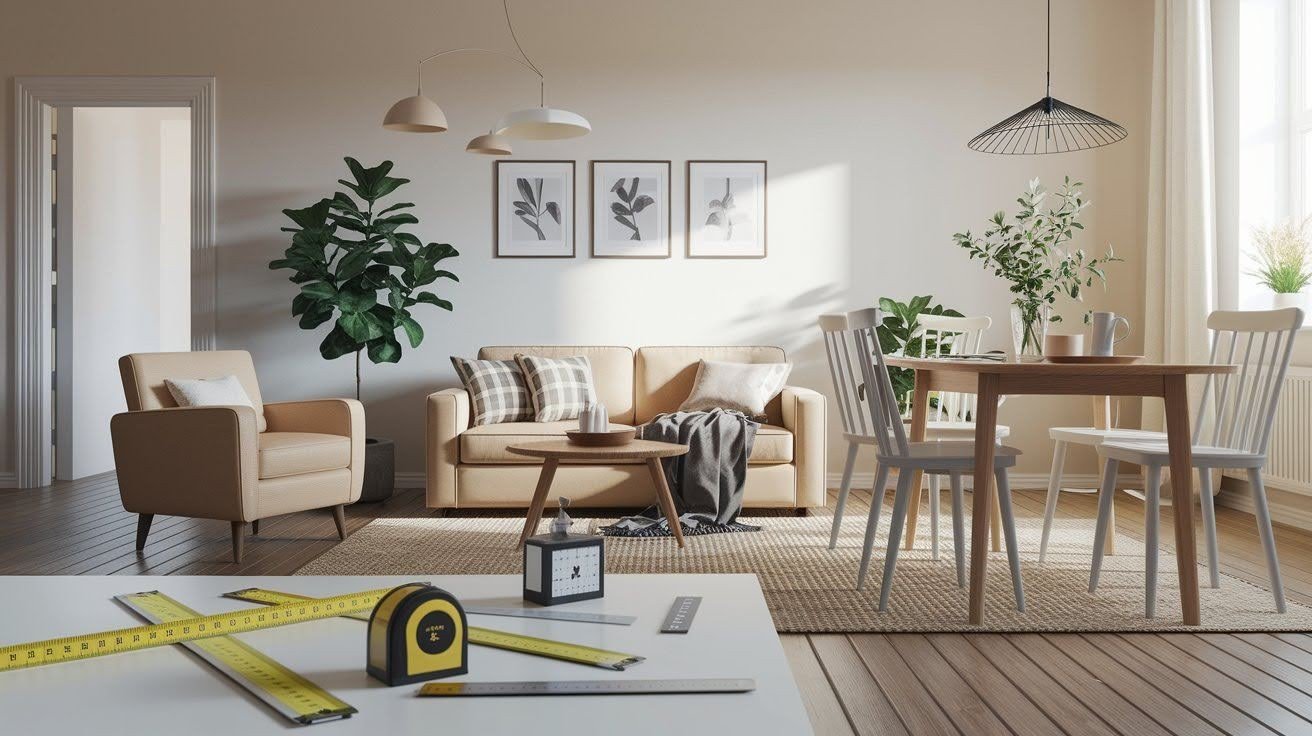
Start by measuring your room’s length and width at the longest points using a tape measure. Write down both measurements in feet. If your room is an odd shape, measure the main area where people spend the most time.
For dining rooms, measure your table’s width and length as well. Don’t guess these numbers – actual measurements matter more than you might think. Even a few inches can make a difference in how the final fixture looks.
Don’t forget to measure your ceiling height from floor to ceiling. This measurement affects how low your chandelier will hang. Standard rooms have 8-foot ceilings, but if yours are higher or lower, you’ll need to adjust your hanging height accordingly.
Using the Chandelier Size Calculator

A chandelier size calculator makes the math easy by doing all the calculations for you. Simply enter your room’s length and width in the tool, and it will tell you the recommended diameter instantly.
Next, select your room type from the dropdown menu. The calculator adjusts its recommendations based on whether you’re lighting a dining room, living room, bedroom, or hallway.
The results will show you three important numbers: the ideal chandelier diameter in inches, the recommended hanging height from the ceiling, and the clearance you need from the floor or table. These numbers work together to help you find a fixture that fits perfectly in your space.
Worked Examples

Example 1: 12′ x 14′ Living Room
Using the room formula, we add 12 + 14 = 26 inches. A 26-inch diameter chandelier would be perfect for this space. With standard 8-foot ceilings, hang it so the bottom is about 7.5 feet from the floor.
Example 2: 48″ x 60″ Dining Table
The table is 48 inches wide, so we need a chandelier that’s one-half to two-thirds of that width. That gives us a range of 24 to 32 inches. A 28-inch chandelier would sit right in the middle of that range and look great.
Example 3: Long Hallway
For a hallway that’s 4 feet wide and 12 feet long, we add 4 + 12 = 16 inches. A 16-inch fixture would work well here. In narrow hallways, you might want to use two smaller chandeliers spaced evenly instead of one large one.
Adjusting for Personal Style Preferences
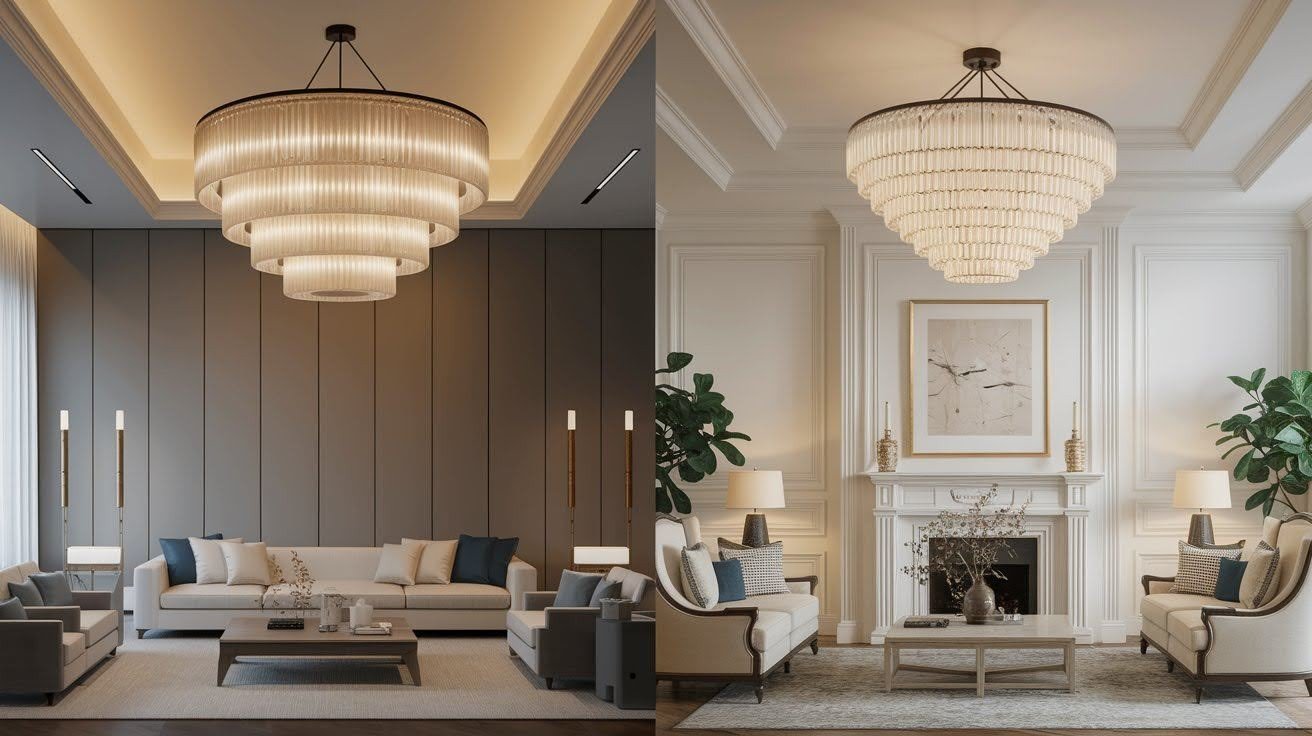
Sometimes the standard formulas give you a range, and you’ll need to pick where in that range feels right for you. If you like bold, statement lighting, go toward the larger end of the recommended size.
Your personal style matters too. Modern rooms with minimal furniture can handle larger fixtures that become the focal point. Traditional rooms with lots of furniture might need slightly smaller chandeliers to avoid overcrowding the space.
Trust your instincts once you know the guidelines. The formulas give you the safe zone, but you know your home best. If something feels off, it probably adjusts it up or down by a few inches until it feels right.
Working With Unusual Room Shapes
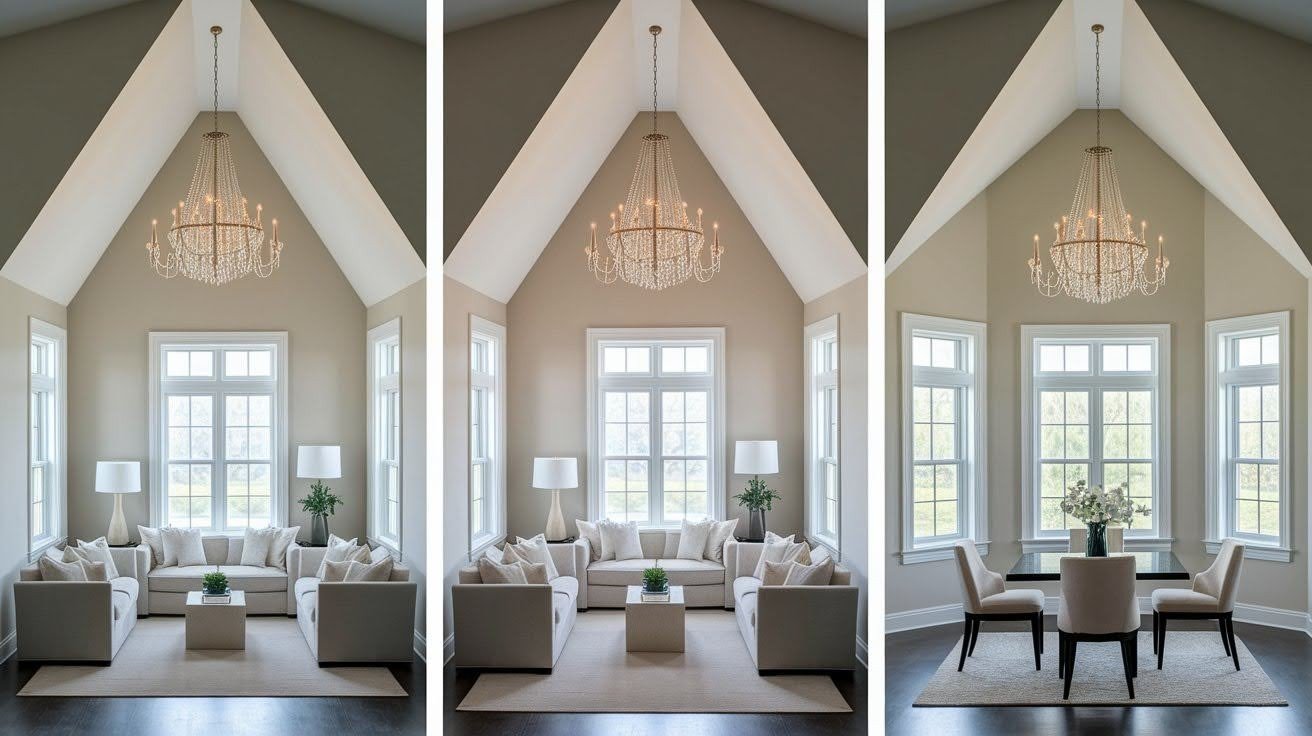
L-shaped rooms and open floor plans need special attention. Treat each distinct area as its own zone and calculate the chandelier size for that specific section rather than the entire combined space.
For rooms with angled or vaulted ceilings, use the lowest ceiling point to calculate your hanging height. This keeps the fixture from hanging too high in one area and too low in another.
Rooms with alcoves or bay windows should focus on the main seating or dining area when calculating size. The extra space in the corners doesn’t need to factor into your primary chandelier size.
Factors Beyond Basic Calculations
While formulas give you a great starting point, a few other factors can make or break your chandelier choice.
Ceiling Height Considerations
Standard 8-foot ceilings work well with most fixtures when you follow the basic formulas. You’ll want about 7 to 7.5 feet of clearance from the floor to the bottom of the chandelier in open spaces.
High or vaulted ceilings need taller chandeliers to fill the vertical space. A good rule is to add 3 inches to the fixture height for every foot of ceiling above 8 feet. So a 10-foot ceiling would need a chandelier that’s 6 inches taller than what you’d use in an 8-foot room.
The visual balance matters more than exact numbers here. A tiny chandelier in a room with 12-foot ceilings will look lost, even if the diameter is technically correct. Use a chandelier size calculator that factors in ceiling height for the most accurate results.
Hanging Height Guidelines
Over dining tables, keep 30 to 36 inches of space between the table surface and the bottom of your chandelier. This prevents people from hitting their heads while still providing good light for meals.
In open spaces like living rooms or bedrooms, maintain at least 7.5 feet between the floor and the fixture’s bottom. This allows people to walk under safely without ducking. If you have very tall family members, add a few extra inches.
Entryways and foyers can handle chandeliers hung higher since people only walk through them. Aim for the bottom to be at least 6.5 feet from the floor at the lowest point. Two-story foyers look best when the chandelier hangs about one-third of the way down from the second floor.
Room Function and Layout
Think about how you use the space before deciding on fixture size. A formal dining room where you host dinner parties might benefit from a slightly larger chandelier that makes a statement.
Furniture placement changes how much space your chandelier appears to take up. A large sectional sofa makes a room feel smaller, so you might need to go with the lower end of your calculated size range. Empty rooms can handle fixtures on the larger side.
Open concept spaces that combine kitchen, dining, and living areas often need multiple light sources. Your main chandelier might cover the dining table, but you’ll need additional fixtures or lamps for the other zones.
Chandelier Sizing by Room Type
Different rooms have different lighting needs, so let’s break down the specific guidelines for each space in your home.
Dining Room Chandeliers
Round tables look best with round, square, or drum-shaped chandeliers. Measure your table diameter, then choose a fixture that’s one-half to two-thirds of that width. A 60-inch round table needs a 30 to 40-inch chandelier.
Rectangular tables give you more options. You can go with a traditional round chandelier or a linear fixture that follows the table’s shape. For a 72-inch-long table, a linear chandelier about 36 to 48 inches long creates beautiful balance.
The visual balance between your table and chandelier matters as much as the measurements. Your fixture should feel substantial enough to anchor the space without dominating the table. When in doubt, use a chandelier size calculator to check your numbers before buying.
Living Room Chandeliers
Apply the room dimension formula here: length plus width equals your chandelier diameter in inches. A 15-foot by 18-foot living room needs a 33-inch chandelier. This formula accounts for the total floor space you’re lighting.
Large sectionals and furniture can make a room feel smaller than it actually is. If your living room is packed with furniture, consider sizing down by a few inches from what the formula suggests.
Living rooms often benefit from layered lighting with multiple sources. Your chandelier provides ambient light, but add floor lamps, table lamps, or sconces to create a warm, inviting atmosphere.
Bedroom Chandeliers
Bedroom chandeliers should match your bed size and room dimensions. For queen and king beds, use the room formula (length + width) to find your chandelier size. A 14-foot by 16-foot bedroom would need a 30-inch fixture.
You can center the chandelier over your bed for a dramatic look, or place it in the center of the room for general lighting. Over-the-bed placement works best with smaller chandeliers (18 to 24 inches) that won’t feel too heavy above you while you sleep.
Make sure your bedroom chandelier is on a dimmer switch so you can adjust the brightness for different times of day. Bright light in the morning helps you wake up, while soft light at night creates a relaxing mood.
Hallway and Entryway Chandeliers
Narrow hallways need special calculations. Take the hallway width in feet, multiply by 2.5, and that’s your chandelier diameter in inches. A 4-foot-wide hallway should have a 10-inch fixture. This prevents the chandelier from overwhelming the narrow space.
Long hallways often look better with two or three smaller chandeliers spaced evenly rather than one large fixture. This creates rhythm and lights the entire hallway more evenly. Space them 8 to 10 feet apart for the best effect.
Use your vertical space in two-story entryways by choosing a taller chandelier that fills the height. These spaces can handle larger, more dramatic fixtures since people only pass through them.
Kitchen Chandeliers
Kitchen islands work well with chandeliers positioned about 30 to 36 inches above the counter surface, just like dining tables. The fixture should be about two-thirds the length of your island for a good proportion.
If you’re choosing between one chandelier or multiple pendants, consider your island length. Islands under 6 feet long work well with a single centered fixture. Longer islands look better with two or three pendants or a long linear chandelier.
Kitchen table areas follow the same rules as dining rooms. Measure your table width, and choose a chandelier that’s one-half to two-thirds of that measurement. This keeps the fixture in scale with your eating space.
Choosing the Right Chandelier Shape
The shape you choose affects how the chandelier fits in your space just as much as the size does.
Shape Selection by Room Type
Rectangular chandeliers work perfectly over long dining tables because they follow the table’s shape. A 36-inch by 18-inch linear fixture over a 72-inch rectangular table creates beautiful visual harmony.
Round, square, or drum-shaped chandeliers suit living spaces, bedrooms, and round dining tables best. These shapes spread light evenly in all directions and work well when centered in a room.
Linear chandeliers and long pendant arrangements are ideal for hallways, kitchen islands, and narrow spaces. They fill the length of the space without adding too much width, which is important in tight areas.
Style Considerations
Traditional chandeliers with lots of crystals and details create more visual weight, even if their actual dimensions match a simpler design. You might want to size down slightly with very ornate styles to prevent the space from feeling too busy.
| Visual Weight Level | Description | Sizing Adjustment |
| Light Visual Weight | Simple, minimal design with few elements | Can go 2-4 inches larger than the formula |
| Medium Visual Weight | Moderate detail, standard number of arms/lights | Follow the formula exactly |
| Heavy Visual Weight | Ornate design with crystals, multiple tiers | Consider going 2-4 inches smaller |
Common Mistakes to Avoid
Learning from common mistakes will save you time, money, and frustration when choosing your chandelier.
Sizing Errors
- Going too small is the most common mistake: People often choose fixtures that are too tiny for their space because they’re worried about going too big. In most cases, slightly larger is better than too small.
- Ignoring ceiling height throws off the whole look: An 8-foot ceiling needs different considerations than a 12-foot ceiling, even in the same-sized room. Always factor height into your calculations.
- Not accounting for furniture scale creates an imbalance: A large dining table needs a substantial chandelier. Small furniture can handle smaller fixtures. The chandelier and furniture should feel like they belong together.
Installation Mistakes
- Hanging too low creates head-bumping hazards: Nobody wants to duck under their lighting. Follow the clearance guidelines: 30-36 inches over tables, 7.5 feet over floors in open areas.
- Hanging too high makes the chandelier feel disconnected: A fixture hung too high loses its impact and doesn’t light the space effectively. Your chandelier should feel like part of the room, not an afterthought.
- Off-center placement looks awkward: Take time to find the true center of your space or table. Even a few inches off-center becomes obvious once the furniture is in place and people start using the room.
Pro Tips and Best Practices
Here are insider tips from years of helping homeowners choose the right chandeliers for their spaces.
- Break the rules when your room has unusual features: If your space has very low ceilings, lots of natural light, or unique architecture, adjust the formulas to fit your situation. The guidelines are starting points, not absolute laws.
- Adjust for room proportions beyond just square footage: A long, narrow room might need a different approach than a perfectly square room with the same square footage. Consider the shape, not just the size.
- Consider two smaller chandeliers instead of one large one: This works great in long dining rooms, hallways, or open concept spaces. Two fixtures can provide better light distribution than a single chandelier.
- Create a cardboard template in the exact size you’re considering: Cut a circle or rectangle from cardboard, hang it with a string where your chandelier will go, and live with it for a few days. This helps you see if the size feels right.
- Mark the chandelier size on your ceiling with painter’s tape: Outline the fixture’s dimensions on the ceiling to see how much space it will take up. This visual aid helps you decide if you should go larger or smaller.
Conclusion
Find a room’s length. Add its width to learn the right chandelier size, or use one-half to two-thirds of a table’s width for a dining room. These two formulas suffice in most houses and remove the uncertainty from chandelier shopping.
Factor into your ceiling height, hanging clearance, and the visual weight of your style. You can double-check your math. You can also see if all your measurements work together by means of a chandelier size calculator. Use templates or tape to visualize the size before you buy. Do not be afraid during the process.
You now know chandelier size, so find a chandelier, measure, use formulas, and trust yourself. A chandelier can help to balance your room beautifully if you get the proportions right.
Frequently Asked Questions
How do I know if my chandelier is too big for my room?
A chandelier is too big if it blocks sight lines, hangs lower than 7 feet in open spaces, extends beyond your table edges, or makes the room feel cramped. Use a chandelier size calculator to verify your measurements match the recommended sizes for your space.
Can I use a chandelier in a room with 8-foot ceilings?
Yes, 8-foot ceilings work fine with chandeliers as long as you maintain proper clearance. Keep at least 7 to 7.5 feet between the floor and the bottom of the fixture in open spaces, or 30 to 36 inches above dining tables for comfortable headroom.
What size chandelier do I need for a 10×10 room?
A 10-foot by 10-foot room needs a 20-inch diameter chandelier. Use the formula: room length plus room width equals chandelier diameter in inches. This creates the right proportion for your space. Adjust slightly up or down based on ceiling height and furniture.
Should my chandelier be centered over my table or the room?
Center your chandelier over the dining table, not the room center, if the table isn’t in the middle of the space. The fixture should hang directly above where people sit and eat. This creates better lighting and visual balance for your dining area.
How many inches should my chandelier hang above my dining table?
Hang your dining room chandelier 30 to 36 inches above the table surface. Thirty-two inches is ideal for most situations. This height provides good light for eating without blocking conversation sight lines or creating head-bumping risks when people stand up.