
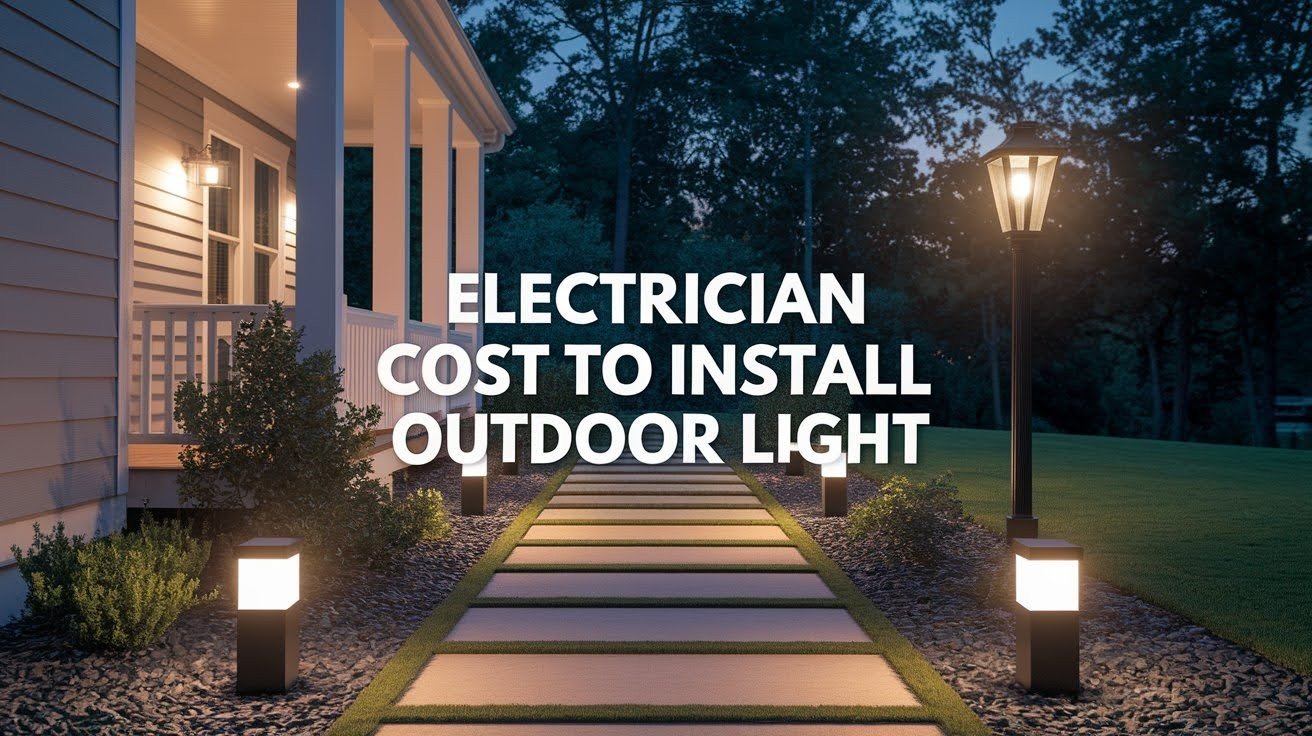
Are you pondering getting outdoor lights to put up around your house? Good idea! Good lighting makes your property more inviting when nighttime arrives.
Homeowners seek the answer to one key question. How much will it cost altogether in total? The cost of installing outdoor light fixtures is $100 to $200 per light for normal installations in general. The total cost relies on the type of lights you want and the job’s complication.
This guide will break down every single cost you will incur from the simplest front porch lights to a full landscape lighting installation. You’ll know just how much to budget for your project.
What You’ll Pay an Electrician
The cost to hire an electrician for your outdoor lights depends on a few key factors. The type of fixture, placement, and any extra wiring all play a role.
For most homeowners, a simple setup usually costs between $400 and $1,000. This covers labor, basic materials, and one or two lights. Bigger projects with multiple fixtures will be higher.
Where you live matters too. Electricians in busy cities tend to charge more than those in smaller towns. Getting a few free quotes can help you plan your budget and avoid surprises.
Average Cost to Hire an Electrician for Outdoor Light Installation
Most electricians charge $50 to $100 per hour, plus the cost of materials and fixtures you choose.
National and Per-Fixture Cost Range
The cost to install outdoor light fixtures typically falls between $102 and $206 per light for basic work. This covers standard wall-mount lights or simple floodlights without major electrical upgrades.
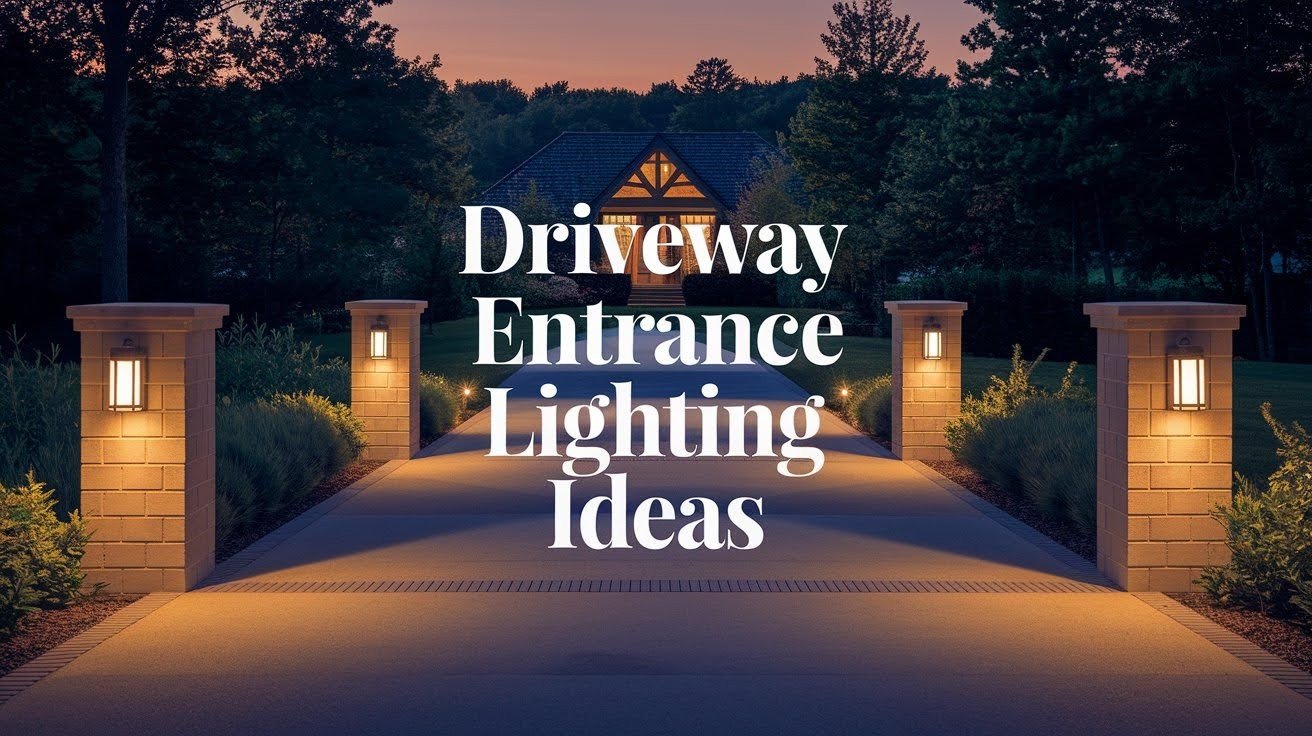
A typical lamppost installation runs $400 to $1,000 for most homeowners. This includes digging, running new wiring, and setting up the post and fixture. The hourly rate for licensed electricians is $50 to $100, depending on your area.
Keep in mind these are averages. Your actual cost depends on your specific setup and what your property needs.
Cost Examples by Light Type
Different types of outdoor lights come with varying installation costs. Here’s a quick guide to help you understand what you might pay:
| Light Type | Average Electrician Cost to Install | Notes / Details |
| Pathway Lights | $100 to $250 per fixture | Simple to install, ideal for walkways. |
| Wall Sconces | $150 to $300 per fixture | Mounted on exterior walls, adds style. |
| Floodlights / Security | $200 to $400 per fixture | Provides bright security lighting. |
| Spotlights / Accent | $150 to $350 per fixture | Highlights landscaping or architectural features. |
| String / Decorative Lights | $100 to $300 per run | Often used for patios or decks longer runs may cost more. |
Key Factors That Influence Electrician Costs
Several things affect what you’ll pay, from the lights you choose to the condition of your property.
Type and Number of Fixtures
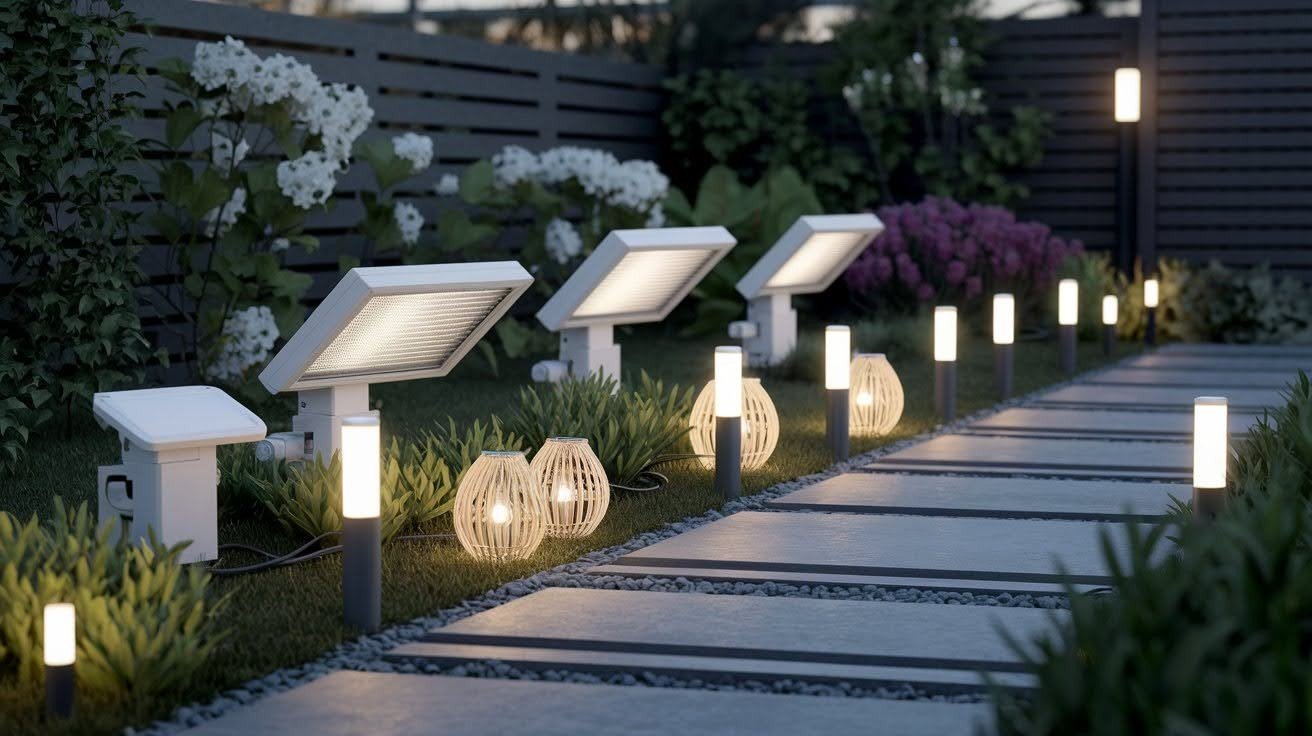
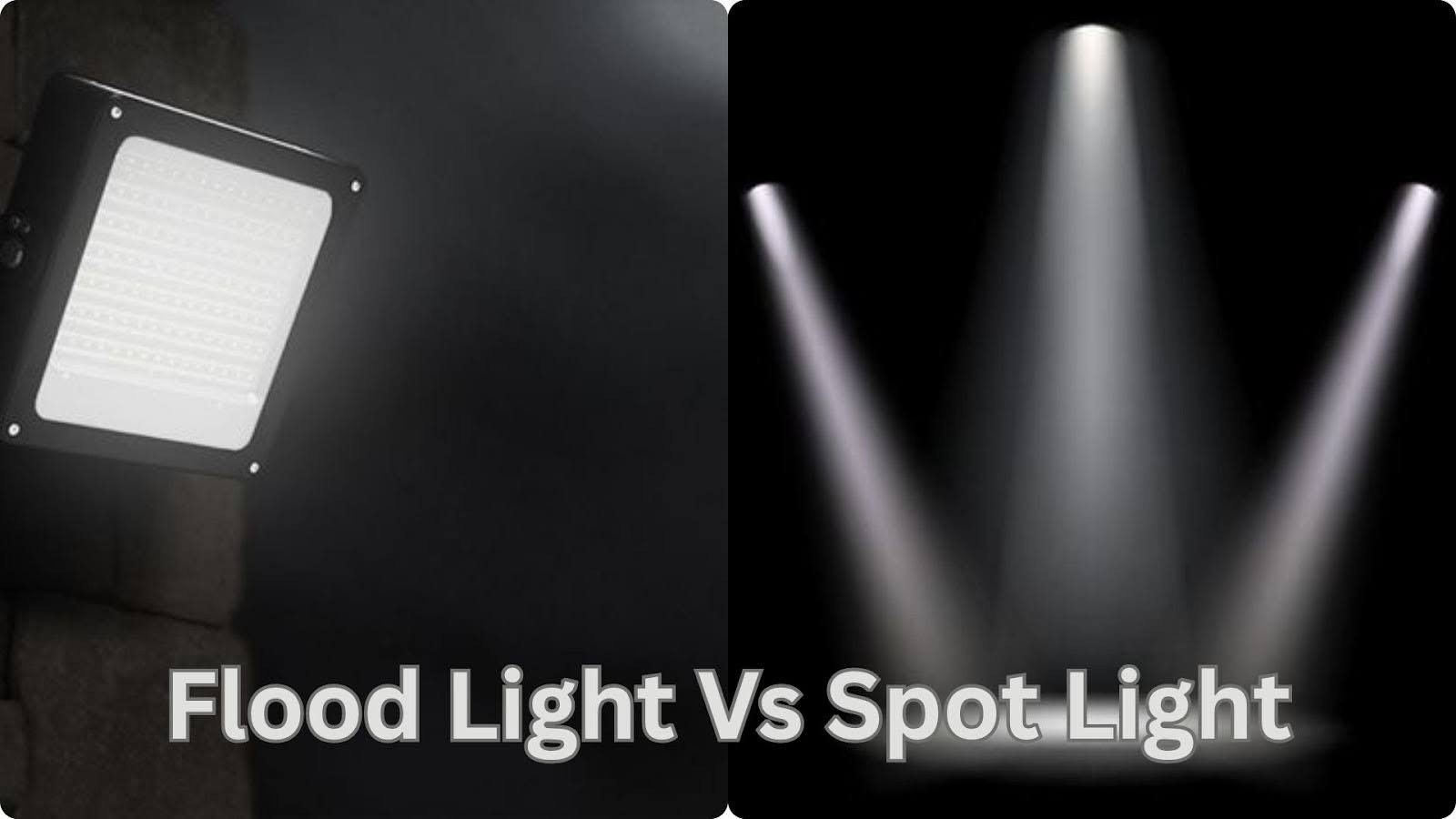
Simple floodlights are the cheapest option to install. They’re straightforward, use basic wiring, and take less time to set up. Most electricians can install one in under an hour.
Designer lights or motion-sensor models cost more because they need extra wiring and programming. Smart lights that connect to your phone require additional setup time. These features add value but increase your installation cost.
Installing multiple fixtures at once saves money per light. Your electrician only makes one trip and sets up once, spreading those costs across all your lights.
Extent of Electrical Work Required
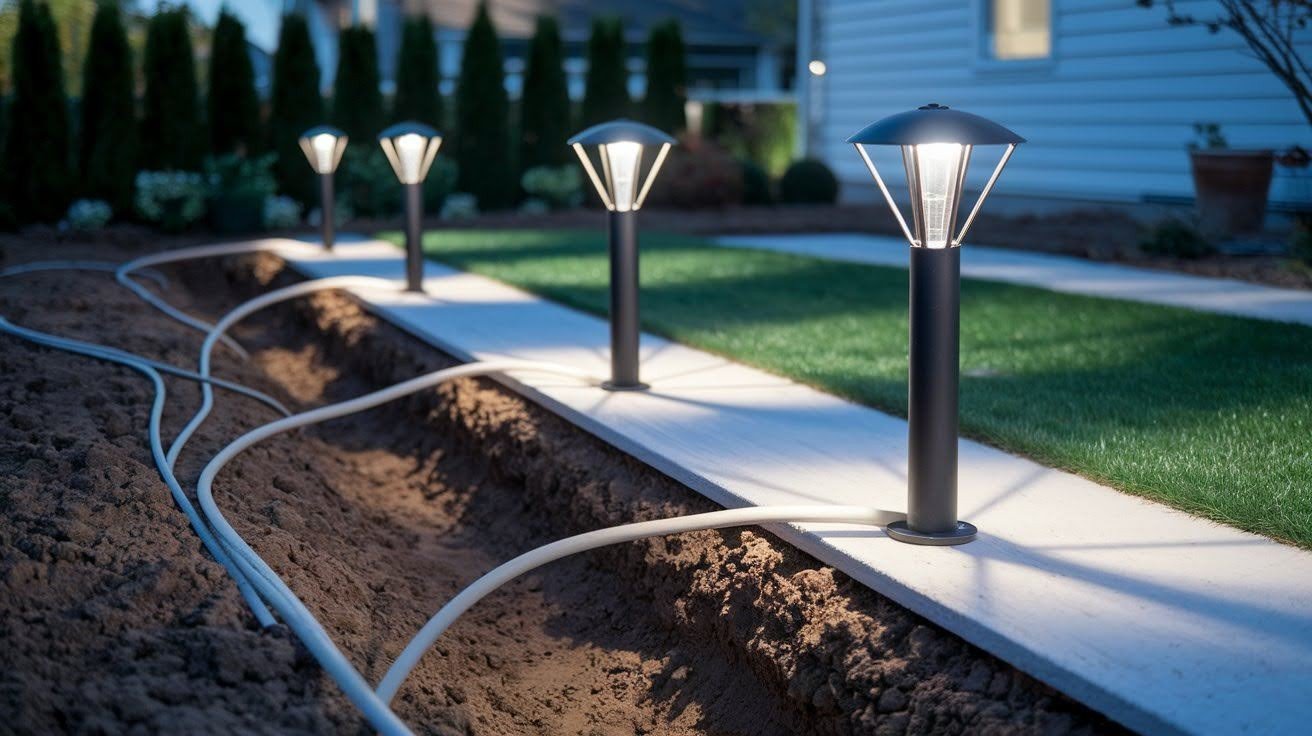
Sometimes your home needs new wiring or circuits before adding outdoor lights. This happens with older homes or when adding many new fixtures. Rewiring adds $100 to $500 to your project, depending on how much work is needed.
New circuits require panel upgrades and can cost $500 to $2,000. This is necessary when your current electrical system can’t handle additional lights. Your electrician will check this during the quote.
Trenching for underground wiring costs $10 to $25 per linear foot. This is common for lamppost installations or lights far from your house. The price goes up if you have hard soil or need to go under concrete.
Permits and Local Building Codes
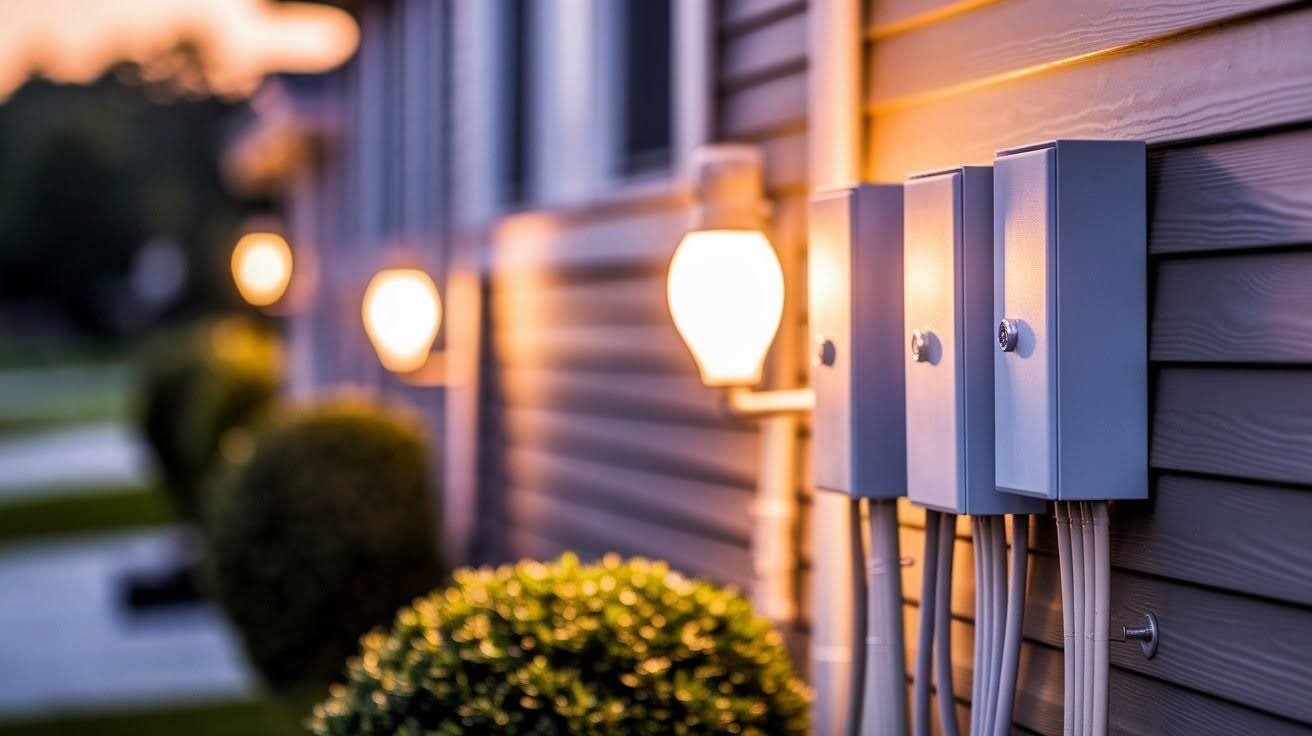
Most areas require permits for outdoor electrical work. These typically cost $50 to $200, depending on your city or county. Your electrician usually handles getting the permit for you.
Building codes vary by location. Some areas have specific rules about light placement, wiring depth, or fixture types. Licensed electricians know these rules and make sure your installation follows them.
Skipping permits can cause problems later. You might face fines or have trouble selling your home. Always work with licensed pros who pull the right permits.
Labor Time and Complexity
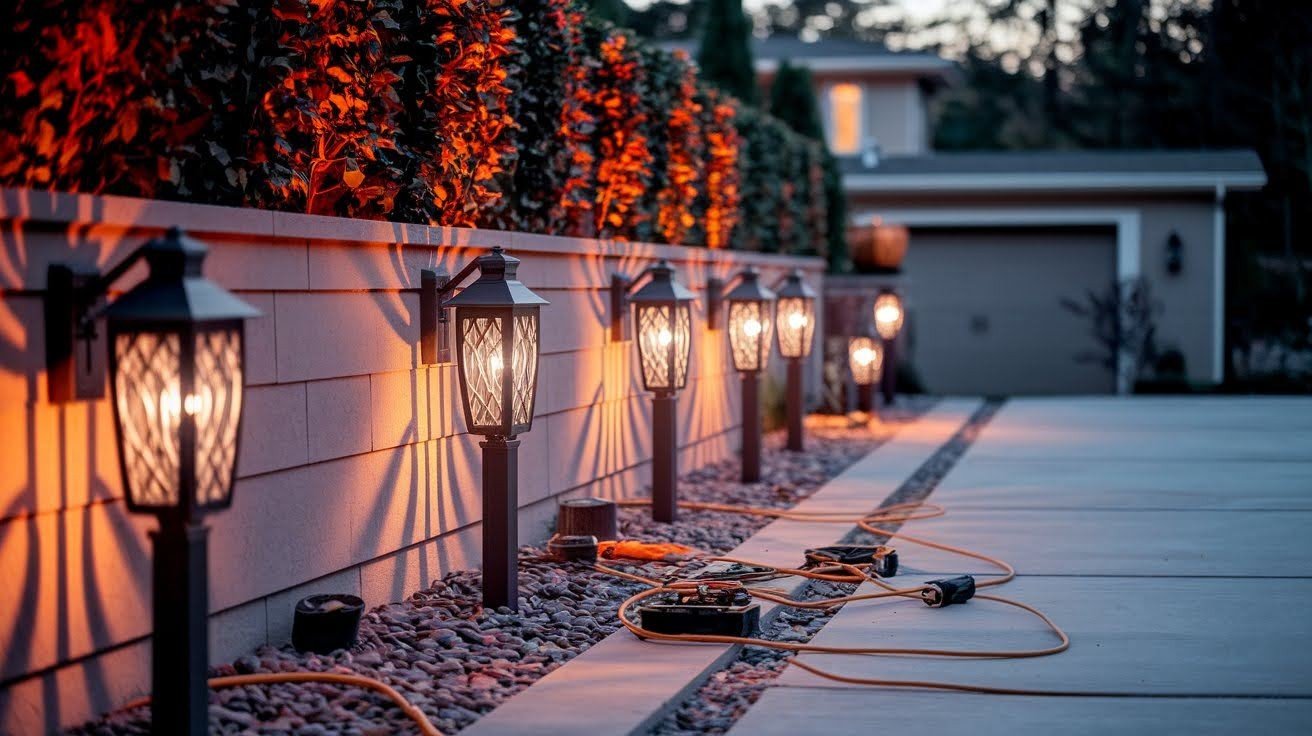
Simple installations take one to two hours. This includes basic wall-mount lights where wiring already exists. Your electrician just connects the fixture and tests it.
Full-day projects involve multiple lights, new circuits, or lamppost installations. These complex jobs can take four to eight hours or more. The electrician might need a helper, which increases labor costs.
Some projects need two visits. The first trip is for wiring and electrical work. The second installs the actual fixtures. This is common when concrete needs to dry or permits need approval before finishing.
Site Conditions and Accessibility
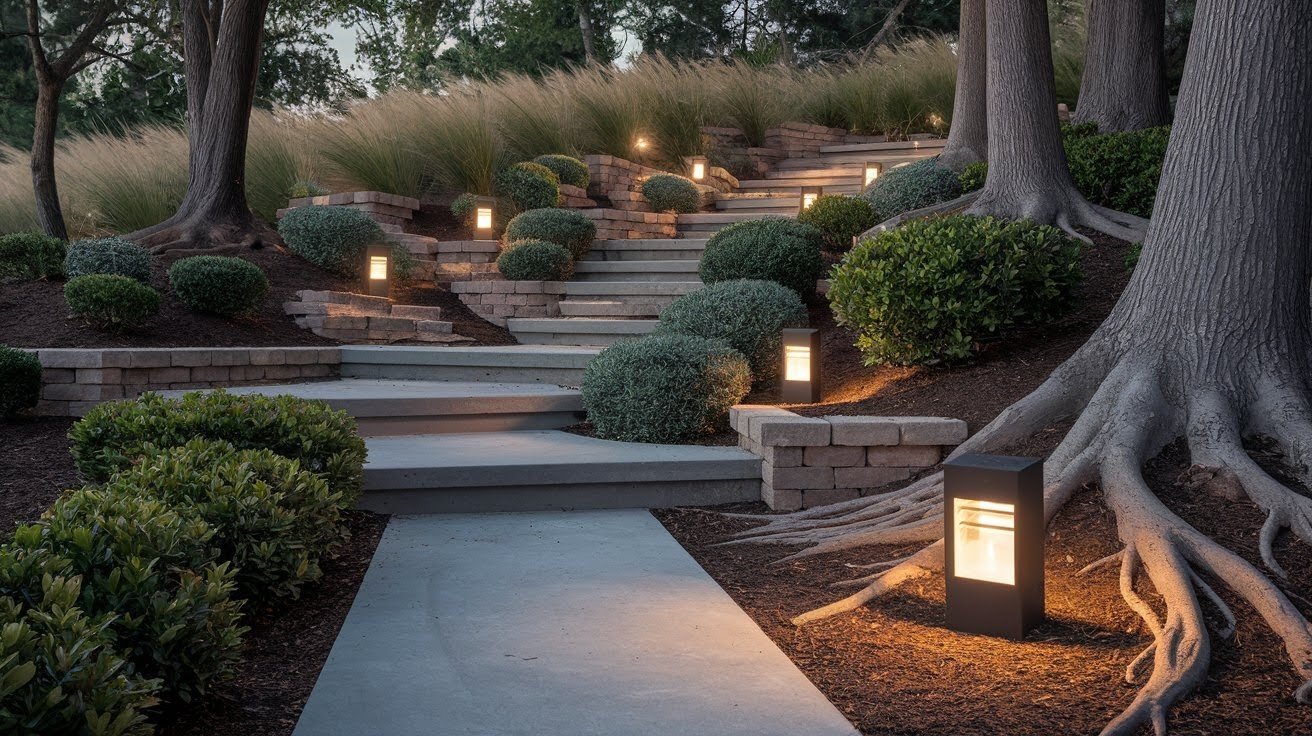
Mature landscaping makes installation harder. Your electrician might need to work around tree roots, shrubs, or flower beds. This takes more time and careful planning to avoid damage.
Concrete surfaces require special tools to run wiring. Breaking through concrete and patching it afterward adds $200 to $500 to your project. Brick or stone walls also take longer to work with than wood siding.
Hard-to-reach spots increase labor time, too. Second-story installations need ladders and extra safety measures. Areas with poor access mean more time carrying tools and materials back and forth.
Comparing DIY vs. Professional Electrician Installation
Many homeowners wonder if they can save money by doing the work themselves instead of hiring a pro.
| Factor | DIY Installation | Professional Electrician Installation |
| Cost | Lower upfront cost only materials needed | Higher cost due to labor, but includes expertise |
| Safety | Risk of electric shock, faulty wiring, or code violations | Safer installation with proper adherence to electrical codes |
| Time and Effort | Time-consuming, especially for multiple lights | Faster and more efficient saves you time and hassle |
| Quality and Longevity | May be uneven, improper placement can shorten fixture life | High-quality results with proper alignment, wiring, and durability |
| Warranty and Liability | No warranty mistakes are your responsibility | Work often comes with a warranty an electrician’s liability ensures accountability |
| Tools and Skills Required | Requires electrical knowledge and specialized tools | An electrician brings all the tools and professional skills |
Cost-Saving Tips for Outdoor Lighting Installation
Smart planning helps you get great lighting without overspending on your project.
- Install multiple fixtures at once: Electricians charge less per light when doing several at the same time. You save on travel and setup costs.
- Choose LED bulbs and fixtures: LEDs use 75% less electricity than old bulbs. They last longer, too, cutting replacement costs for years.
- Use local cost calculators: Enter your zip code on contractor websites to see typical prices in your area. This helps you budget accurately.
- Get at least three quotes: Prices vary between electricians. Comparing quotes helps you find fair rates without sacrificing quality.
- Schedule during off-peak seasons: Electricians are less busy in winter in many areas. Some offer lower rates during slow periods.
- Prepare the site yourself: Clear plants, mark where you want lights, and remove obstacles. This saves your electrician time on prep work.
- Buy fixtures on sale: Watch for deals at hardware stores or online. Quality lights go on sale regularly, especially during seasonal changes.
Conclusion
Budgeting is easier with your knowledge of the cost to hire electricians for outdoor light installation. Most homeowners pay $100 to $200 per light in order to hire an electrician. To fully install outdoor lighting costs $400 to $1,000.
A licensed electrician will install your lights for you at your house. The installers will ensure that the lights are safe, meet code, and last for you. You may pay lower installation fees now. This might save money in the future. Good lighting makes your home into something safe and attractive.
Consider prices, reviews, and warranties within three quotes from local electricians. Shopping with care and planning makes outdoor lighting affordable.
Frequently Asked Questions
How much does an electrician charge to install one outdoor light?
Most electricians charge $100 to $200 per outdoor light fixture for basic installation. This includes labor and basic materials like wiring and connectors. Complex installations with trenching or new circuits cost more.
Can I install outdoor lighting myself to save money?
You can install low-voltage or solar lights yourself safely. However, standard 120-volt lighting requires a licensed electrician in most areas. DIY electrical work risks code violations, insurance issues, and safety problems that cost more to fix later.
What factors increase outdoor lighting installation costs the most?
New wiring or circuits add the most cost, often $500 to $2,000. Trenching for underground lines costs $10 to $25 per foot. Difficult site conditions like concrete surfaces or mature landscaping also increase labor time and expenses significantly.
How long does it take to install outdoor lights?
Simple wall-mount lights take one to two hours per fixture. Lamppost installations require four to eight hours for digging, wiring, and setup. Complex projects with multiple lights and new circuits might need a full day or multiple visits to complete.
Do I need a permit for outdoor light installation?
Most cities require permits for new outdoor electrical work. Permits typically cost $50 to $200. Licensed electricians usually handle permit applications for you. Always check local building codes before starting your project to avoid fines or compliance issues.