
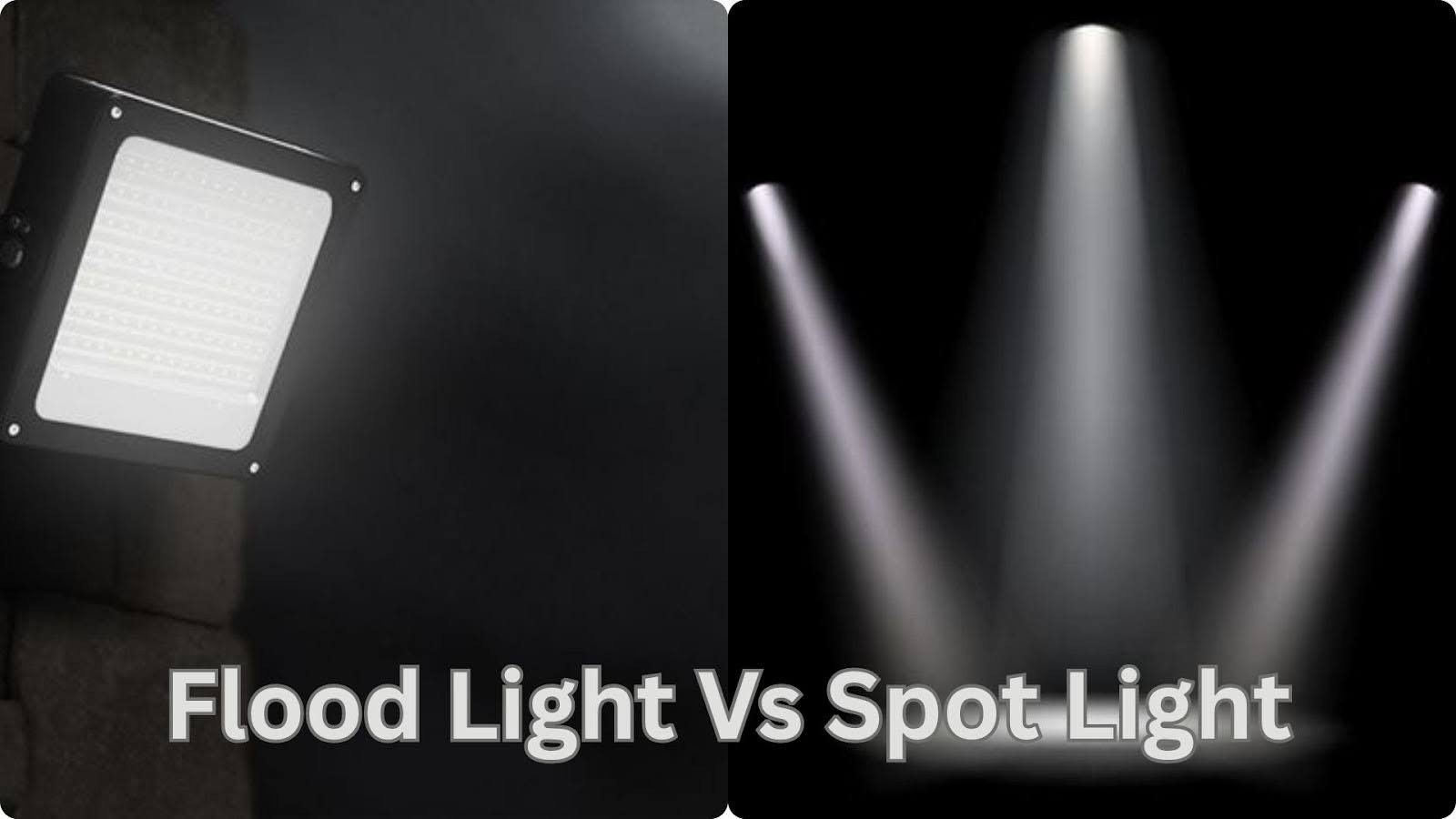
Finding the lights to put in the house is not so easy, with all the types of lights in shops or on the web. Flood lights and spot lights both illuminate, but what difference exists between the two?
If you know these terms, then you can choose lighting. You can light your home or business with a flood light to evenly light your backyard or with a spotlight to illuminate your art in your home.
We will discuss light types and important features. We will show you shopping points to think about. We will show you good choices in each group. Let’s get started. We will make your lighting project as easy and stress-free for you.
What Is a Flood Light?
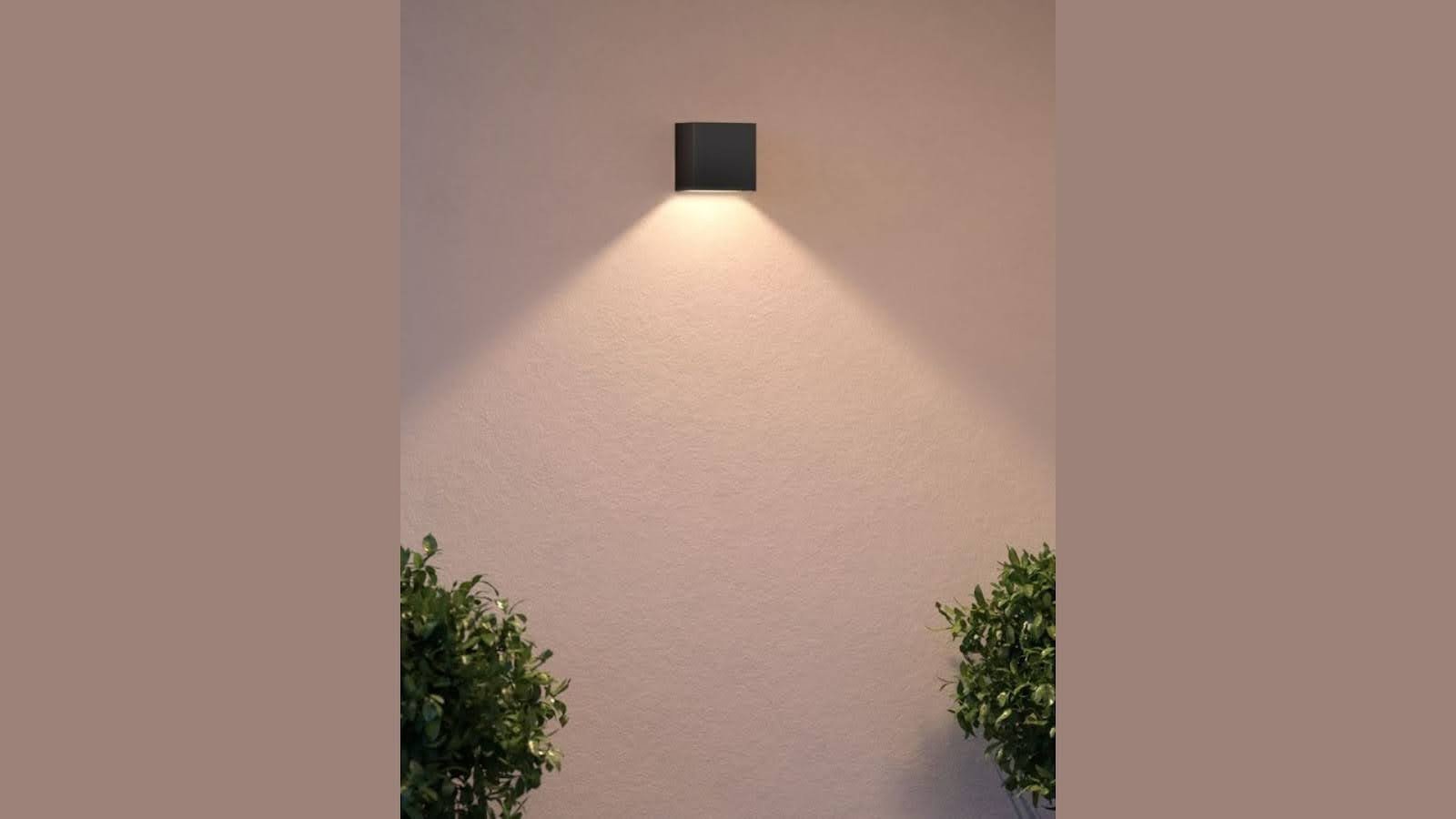
A floodlight spreads its beam wide across a large area. Think of it like a flashlight that opens up to cover more space. These lights have a beam angle between 45 and 120 degrees, which means they can light up your entire backyard or parking area at once.
The light from a floodlight isn’t as intense in one spot because it spreads out. This makes it perfect for general lighting where you need to see everything clearly. You won’t get that sharp, focused beam, but you will get good coverage across a wide area.
Most people use floodlights when they need to see a lot of space at once. They work great for security purposes too, since they don’t leave dark corners where someone could hide. The light doesn’t shoot as far as a spot light, but it covers more ground nearby.
What Is a Spot Light?
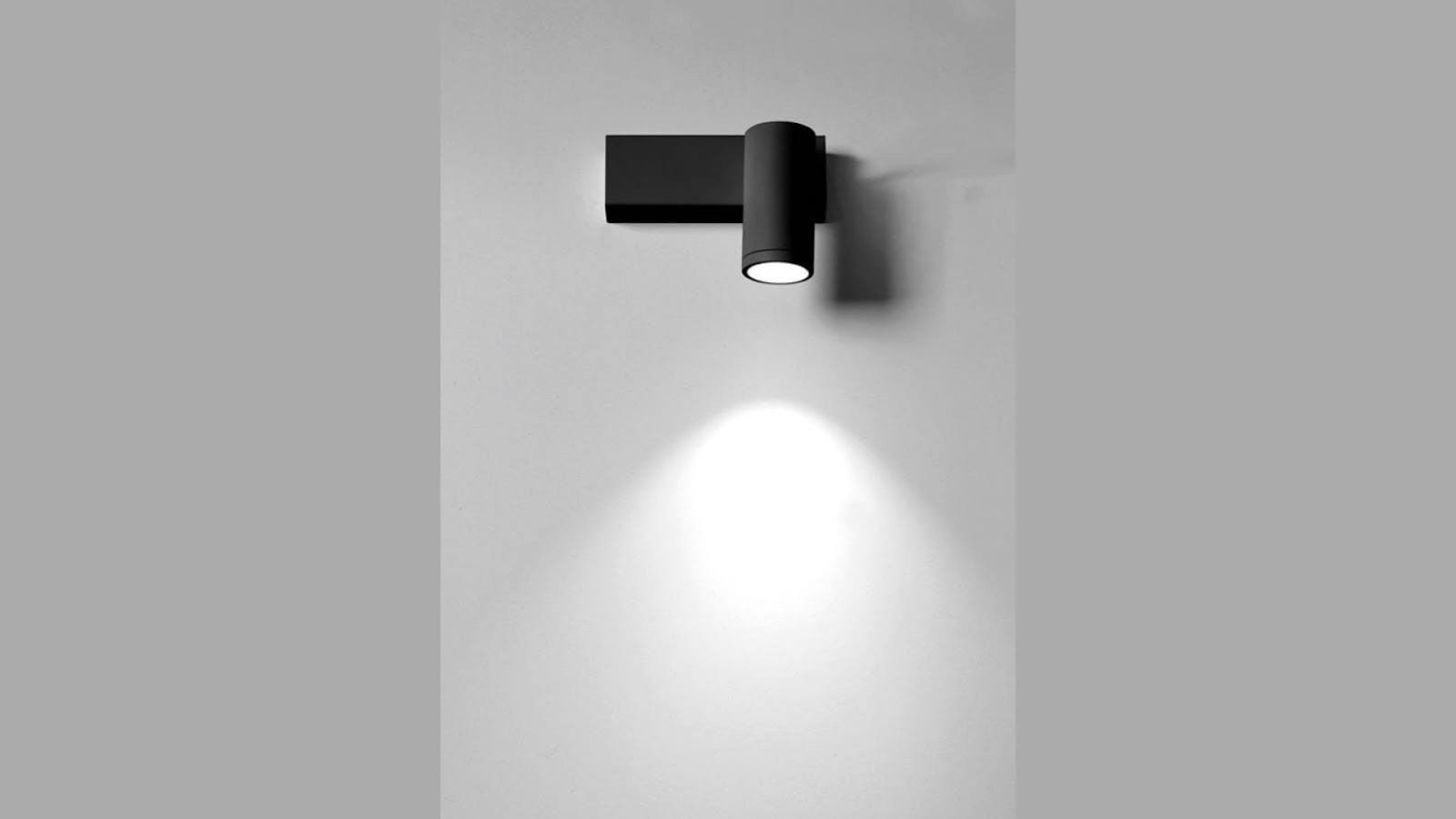
A spotlight does the opposite of a floodlight. It focuses its beam into a narrow, concentrated pattern, usually between 10 and 40 degrees. This creates a bright circle of light on whatever you point it at.
The focused beam makes spotlights much brighter in their target area. They can shine light much farther than flood lights because all the power goes in one direction. This makes them great for highlighting specific things like a statue, tree, or architectural detail on your home.
When you need to draw attention to something specific, spotlights are your best choice. They create drama and interest by making certain features stand out. The narrow beam also means you can place them farther away from what you’re lighting up and still get good results.
Quick Comparison Table
Before you decide which light to buy, take a quick look at this simple comparison. It helps you see how flood lights and spot lights perform differently, so you can pick what truly fits your space and lighting goals.
| Feature | Flood Light | Spot Light |
| Beam Angle | 45-120 degrees | 10-40 degrees |
| Coverage Area | Wide and broad | Narrow and focused |
| Light Intensity | Spread out, less intense | Concentrated, very bright |
| Best Distance | Short to medium range | Medium to long range |
| Primary Use | General area lighting | Accent and highlighting |
| Typical Applications | Backyards, parking lots, security | Trees, artwork, architectural features |
| Visibility Pattern | See everything in an area | See one thing very well |
When to Use Each Type?
Choosing between flood light vs spot light depends on your specific situation. Here’s when each type works best.
Best Applications for Flood Lights – Outdoor Uses
Flood lights shine in outdoor spaces where you need to see large areas. Driveways and yards are perfect examples. You want to see where you’re walking and parking, not just one small spot. Flood lights make the whole area visible and safe.
Patios and decks need good overall lighting for evening gatherings. Nobody wants to eat dinner in the dark or have guests stumbling around. A few well-placed flood lights create a comfortable, well-lit space where everyone can see clearly and enjoy themselves.
Building security is another great use for floodlights. Lighting up your home’s exterior or a parking lot keeps intruders away because they can’t hide in shadows. Many people install motion-sensor flood lights that turn on when someone approaches.
Best Applications for Flood Lights – Indoor Uses
Inside your home, flood lights work well for general room lighting. Large living rooms, basements, and garages benefit from the wide coverage. You get even light distribution without dark corners or shadows.
Ambient lighting in open-concept spaces works great with flood-style bulbs. When your kitchen flows into your dining area and living room, you need lights that fill the whole space. Flood-style recessed lights or track lights create a comfortable, well-lit environment.
Kitchens and living areas need practical lighting where you can see what you’re doing. Cooking, reading, or working on projects requires good visibility across the entire space. Flood lights provide this without creating harsh shadows or dark spots that make tasks difficult.
Best Applications for Spot Lights
Spotlightsexcel when you want to make specific things stand out. Let’s look at where they work best.
Best Applications for Spot Lights – Outdoor Uses
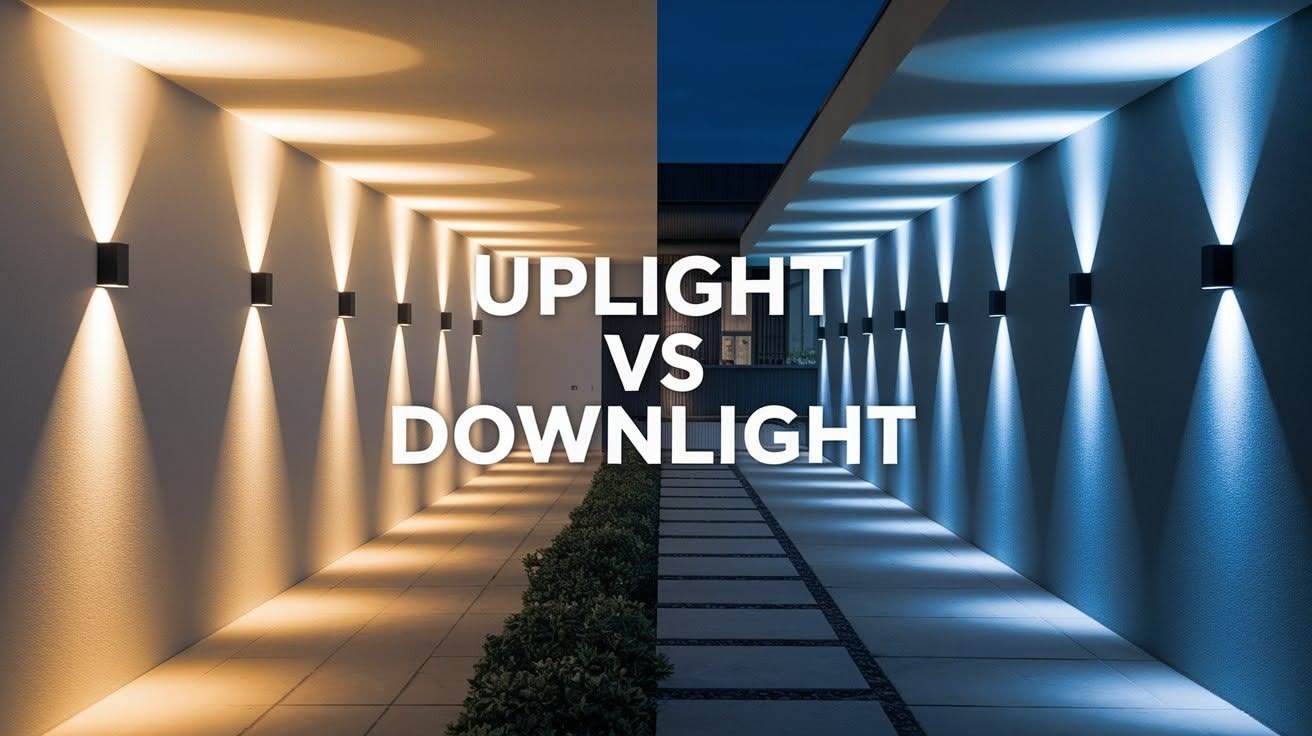
Trees and shrubs look amazing when properly lit from below. Spotlights create beautiful shadows and highlight the natural shape of plants. This technique, called uplighting, turns your yard into an attractive space even at night.
Architectural features on your home deserve attention. Spotlights highlight interesting columns, textured walls, or decorative trim work. This adds character to your home’s exterior and makes it stand out in your neighborhood.
Statues, fountains, and other focal points in your yard become nighttime features with spospotlightsoliday decorations also benefit from focused lighting that makes them visible from the street. Pathway markers with spot-style beams help guide guests safely to your door.
Best Applications for Spot Lights – Indoor Uses
Artwork and photos on your walls look much better with proper lighting. Spotlights mounted on tracks or as dedicated fixtures bring out colors and details that overhead lighting misses. Museums use this technique, and you can too.
Accent lighting creates interest and depth in your rooms. Maybe you have a bookshelf, plant, or decorative piece you want to show off. Spotlights direct attention exactly where you want it, creating visual interest throughout your space.
Track lighting over work areas like kitchen counters or craft tables provides focused light right where you need it. This makes tasks easier and reduces eye strain. You can also highlight specific decor items that make your home unique and personal.
Types and Features Available
Modern lighting offers many options beyond basic flood or spot designs. Let’s look at what’s available.
LED Technology
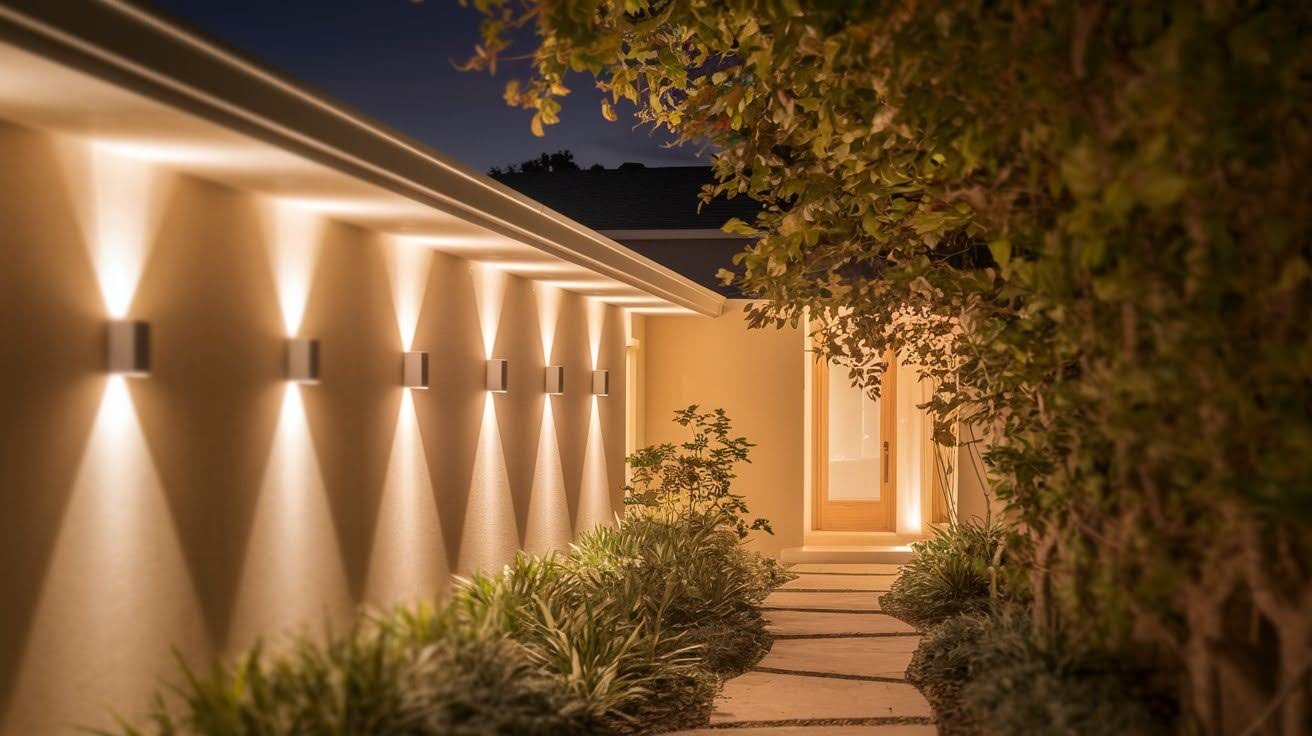
LED lights use much less electricity than old-style bulbs. This means lower electric bills every month, which adds up to real savings over time. For outdoor lights that run all night, this difference is significant.
LEDs also last much longer than traditional bulbs. While old bulbs might last a year or two, LEDs can run for 10 to 25 years. This means less maintenance and fewer trips up the ladder to change bulbs.
The cost savings go beyond just electricity. Since you’re not buying replacement bulbs constantly, you save money there, too. Yes, LEDs cost more upfront, but they pay for themselves quickly through lower bills and longer life.
Smart Features
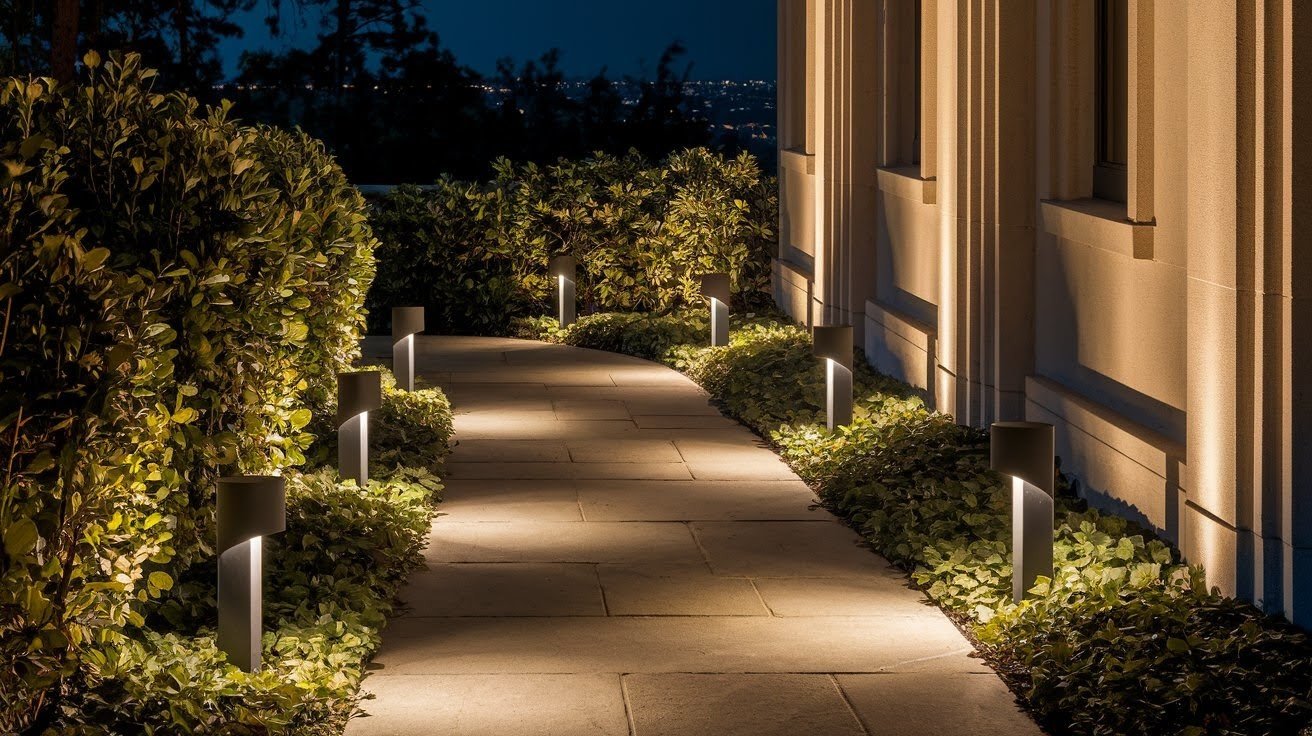
Motion sensors make your lights turn on when someone approaches. This works great for security and convenience. You don’t fumble for switches with your hands full, and potential intruders get surprised by sudden light.
Dusk-to-dawn sensors automatically turn lights on when it gets dark and off when the sun rises. You never have to remember to flip switches, and your home always looks lived-in even when you’re away. This simple feature adds security and saves energy.
Smart home compatibility lets you control lights from your phone. Many modern flood and spot lights connect to Wi-Fi and work with voice assistants. You can set schedules, adjust brightness, and turn lights on or off from anywhere. App control gives you complete flexibility.
Power Options
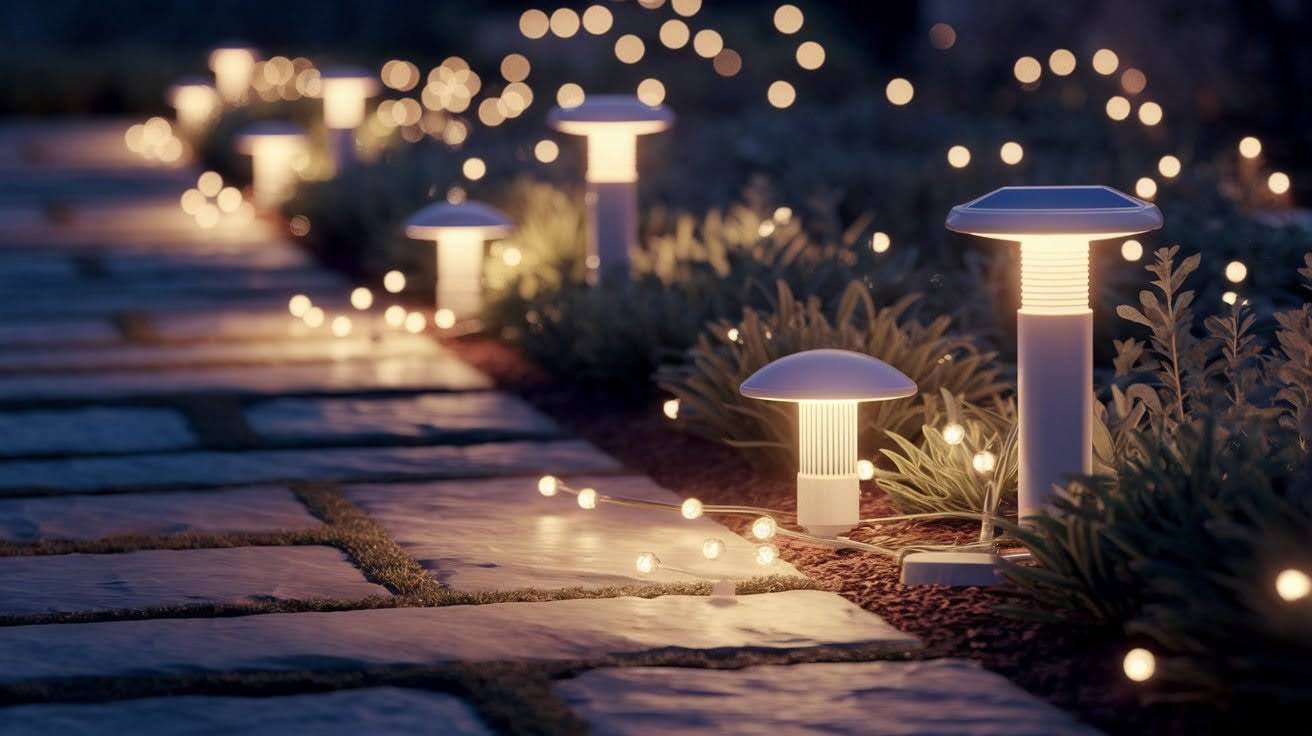
Solar-powered lights work great in sunny locations. They charge during the day and run at night without any electrical work. This makes them easy to install anywhere, though they may not be as bright as wired options.
Wired electrical fixtures provide the most reliable power. They never run out of charge and can support brighter bulbs. Installation requires more work, and you might need an electrician, but the results are worth it for permanent installations.
Battery-operated lights offer flexibility for temporary or rental situations. You can place them anywhere without worrying about outlets or solar access. Just remember to change or recharge the batteries regularly to keep them working well.
Adjustable and Combination Options
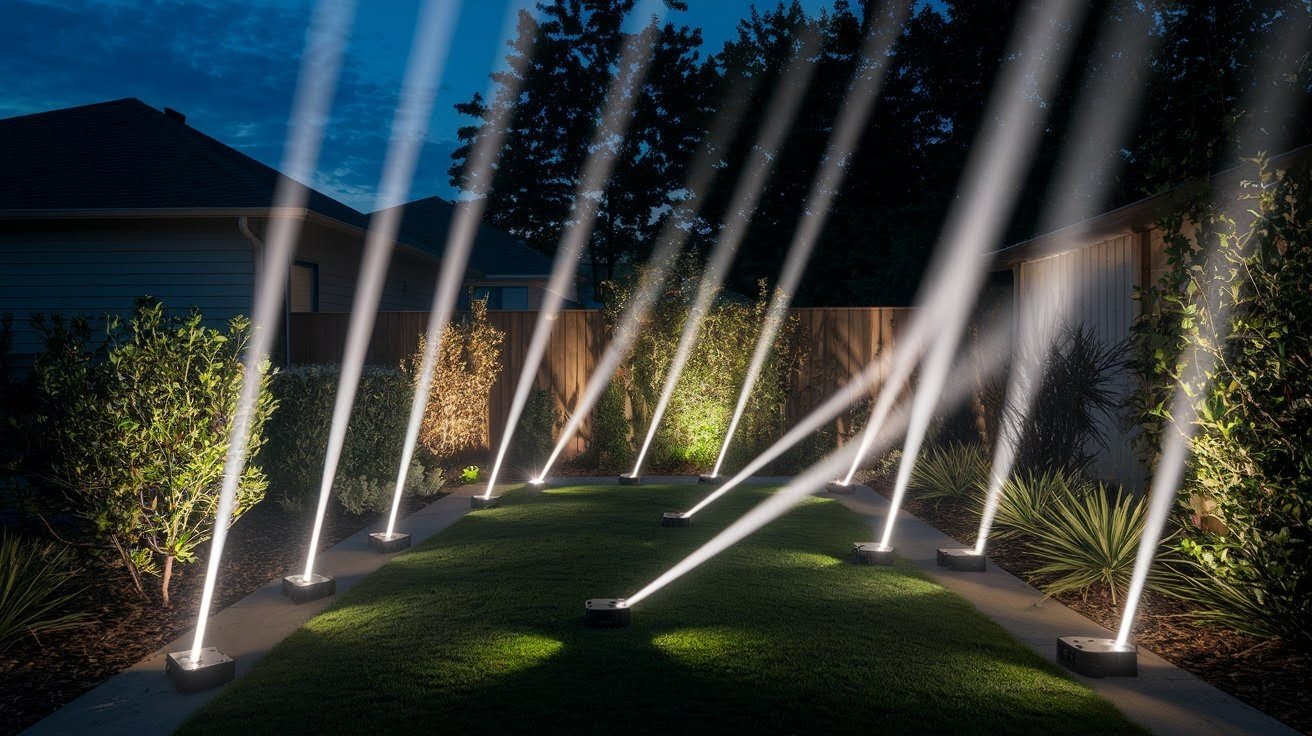
Some modern fixtures let you adjust the wattage to control brightness. This single light can work as a bright security light or a softer ambient light, depending on your needs. You get multiple lights in one fixture.
Color-tunable lights change from warm white to cool white or even colors. This lets you set different moods for different occasions. Warm light feels cozy for relaxing, while cool light helps with work tasks.
Combination beam patterns offer the best of both worlds. Some fixtures have both flood and spot capabilities, or let you adjust the beam angle. These versatile lights work well when you’re not sure exactly what you need or want flexibility for different situations.
Factors to Consider
Making the right choice between flood light vs spot light requires thinking about your specific situation. Here are the key factors to consider.
Coverage Area and Practical Concerns
Start by measuring the area you need to light. A small patio might only need one or two lights, while a large yard requires several. Think about what you want to see and how bright it needs to be for safety and comfort.
Mounting height and distance change how light spreads. Higher fixtures need wider beam angles to cover ground-level areas. Lights mounted closer to what they’re lighting can use narrower beams.
Consider your purpose carefully. Security lighting needs different coverage than decorative lighting. If you want to see potential problems, go with flood lights. If you want to show off your home’s best features, spotlights might be better.
Budget and Long-Term Costs
Budget matters, but think beyond the purchase price. Cheap lights often fail quickly and cost more in replacements. Quality LED fixtures cost more upfront but save money over the years of use through lower electricity bills and no replacement costs.
Energy costs vary based on how many hours your lights run. Security lights that run all night cost more than accent lights that only run a few hours. Calculate your expected usage to understand real costs.
Installation costs can add up if you need professional help. Solar lights cost nothing to install, while wired fixtures might need an electrician. Factor this into your decision, especially for multiple lights or complex projects.
Installation Tips
Getting your lights installed properly makes a big difference. Here’s what you need to know to get great results.
- Simple projects like replacing existing fixtures or installing solar lights work well as DIY projects.
- Electrical work for new wired fixtures often requires a licensed electrician for safety and code compliance.
- Consider professional help for second-story installations or complex wiring situations
- DIY saves money but takes time and requires basic skills and tools
- Place flood lights at corners to cover wide areas with fewer fixtures
- Mount spot lights far enough back to create the beam size you want
- Avoid pointing lights directly at windows or neighbors’ properties
Conclusion
Flood lights are next. Unlike spot lights, which have a narrower beam, flood lights have a wide, flat light used for general illumination, parking lot lighting, and security. In design, both spotlights and floodlights have a place.
Most homes combine both types. Flood lights act initially to improve security and visibility throughout the yard. Spotlights convey drama and visual focus with functional and aesthetic purposes.
Inspect your land after dark to find spots that need extra lights. Decide how much light you want. Decide where you want it and what features to highlight. You can also choose flood lights and spot lights in this way.
Frequently Asked Questions
Can I use flood lights and spot lights together?
Yes, combining both types creates the best results. Use flood lights for general area lighting and security, while spot lights highlight specific features. This layered approach provides both practical visibility and visual interest in your space.
How do I know what beam angle to choose?
Measure your space and mounting distance. For areas needing wide coverage, choose 60-120 degrees. For highlighting specific objects, select 10-30 degrees. Medium angles of 45-60 degrees work well for most general purposes.
Are LED flood lights and spot lights worth the extra cost?
LED lights save significant money over time through lower electricity bills and longer lifespans. While they cost more initially, most people recover the difference within two years through energy savings and no replacement costs.
What wattage do I need for outdoor security lighting?
Most outdoor security flood lights work well between 20-50 watts for LED bulbs. This provides plenty of brightness for safety. Consider motion sensors to save energy when the area doesn’t need constant lighting.
Will spotlights work for lighting up my driveway?
Spotlights aren’t ideal for driveways since they only light narrow areas. Flood lights provide better coverage for safe navigation. However, you could use spotlights along the edges as decorative pathway markers combined with floodlights overhead.