
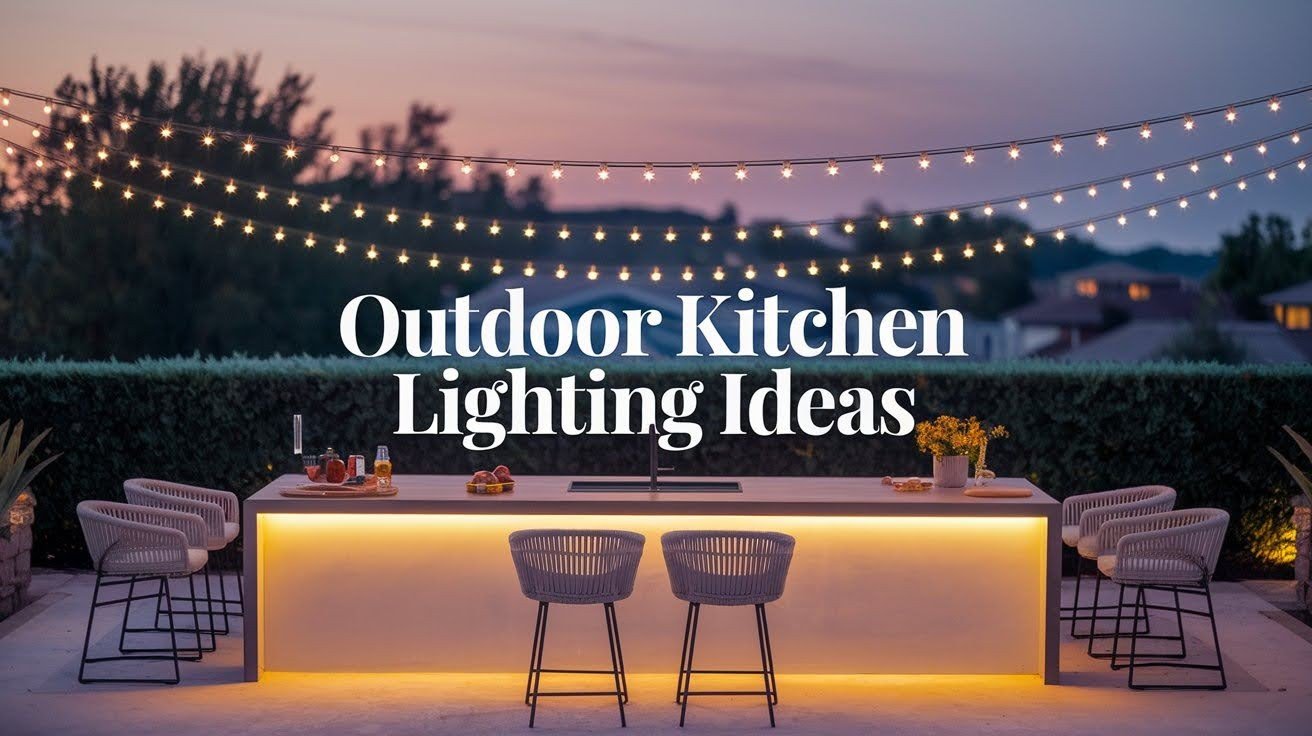
Have you ever had to quit cooking just because the sun went down? Many homeowners have a love for their outdoor spaces. This is also a problem common to them.
Outdoor kitchen lighting ideas that are just right can change everything. You can cook dinner at 9 PM just as easily as you can at noon with good lighting. Your outdoor space also feels safe for your family as well as guests and furthermore looks great.
This guide shows the best ways for outdoor kitchen lighting. Different types of lights, as well as where to place all of them, will be covered. To make your space work in both the dance night is also a topic for you to learn.
Top Outdoor Kitchen Lighting Ideas
Finding the right lights for your outdoor cooking space means knowing what options work best for different needs.
Overhead Lighting Solutions
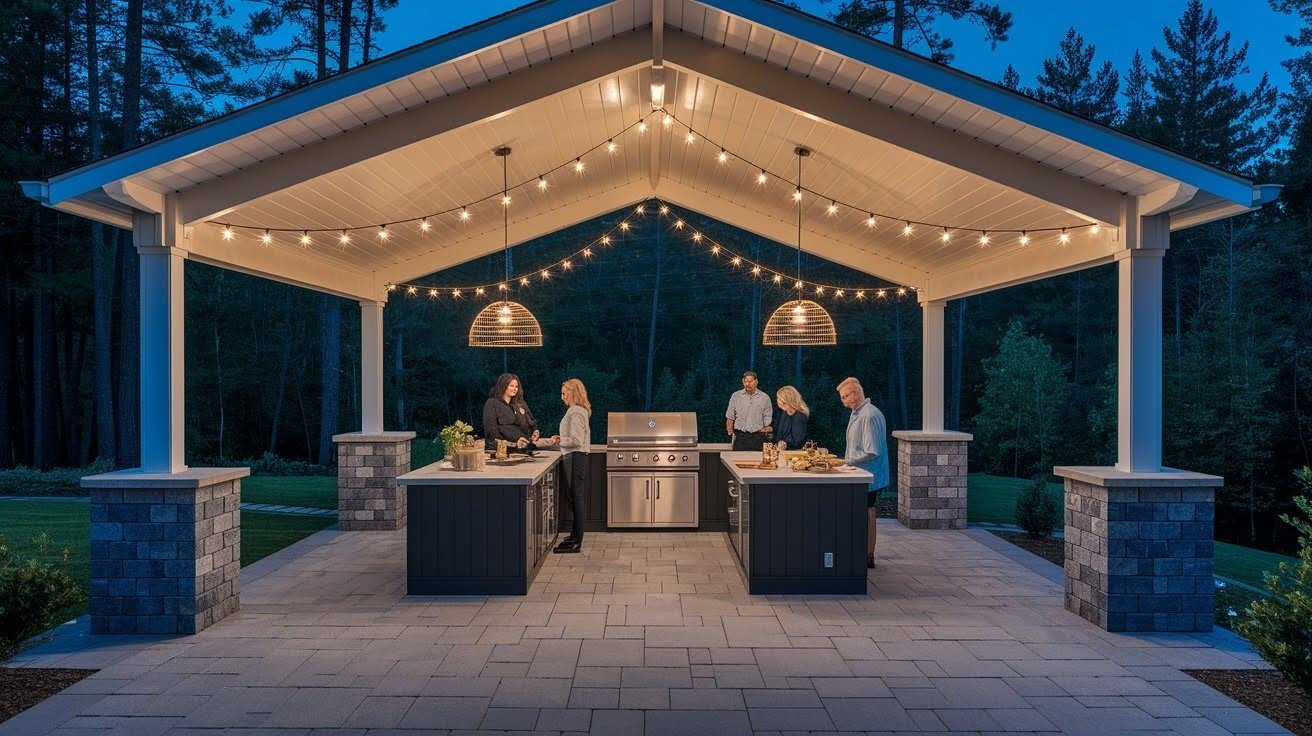
String lights work great when you hang them in a zigzag pattern or around the edges of your space. I’ve seen homeowners create a warm, inviting feel by running them back and forth above their grill area.
Pendant lights help create a focal point above your cooking island or bar. You can hang one large fixture or a series of smaller ones. These lights work best in covered areas where they stay protected from rain.
Recessed ceiling lights give you clean, modern lighting without taking up space. If you have a covered patio, installing these in the ceiling provides even light across your whole kitchen. Many people add dimmers to control the brightness based on what they’re doing.
Under-Counter and Task Lighting
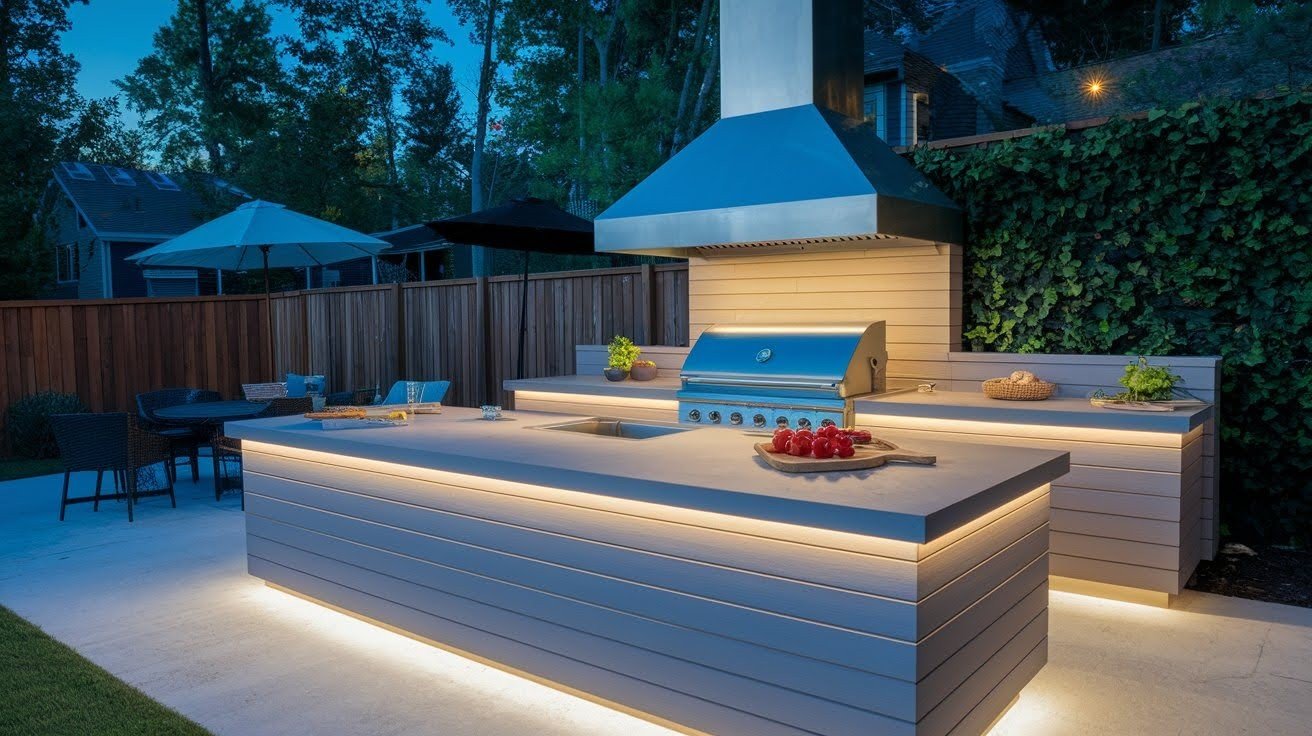
LED strip lights underneath your cabinets make a huge difference when you’re chopping vegetables or preparing food. These thin lights attach easily under any counter and shine right where you need to see.
Individual bar lights on your kitchen island give you focused light for specific tasks. You can place them exactly where you do most of your food prep. These lights are especially helpful if your overhead lighting creates shadows on your work surface.
Grill hood lights come built into many outdoor grills or can be added separately. Having a bright light right above your cooking surface helps you see if your steaks are done or if your vegetables need more time.
Ambient and Decorative Options
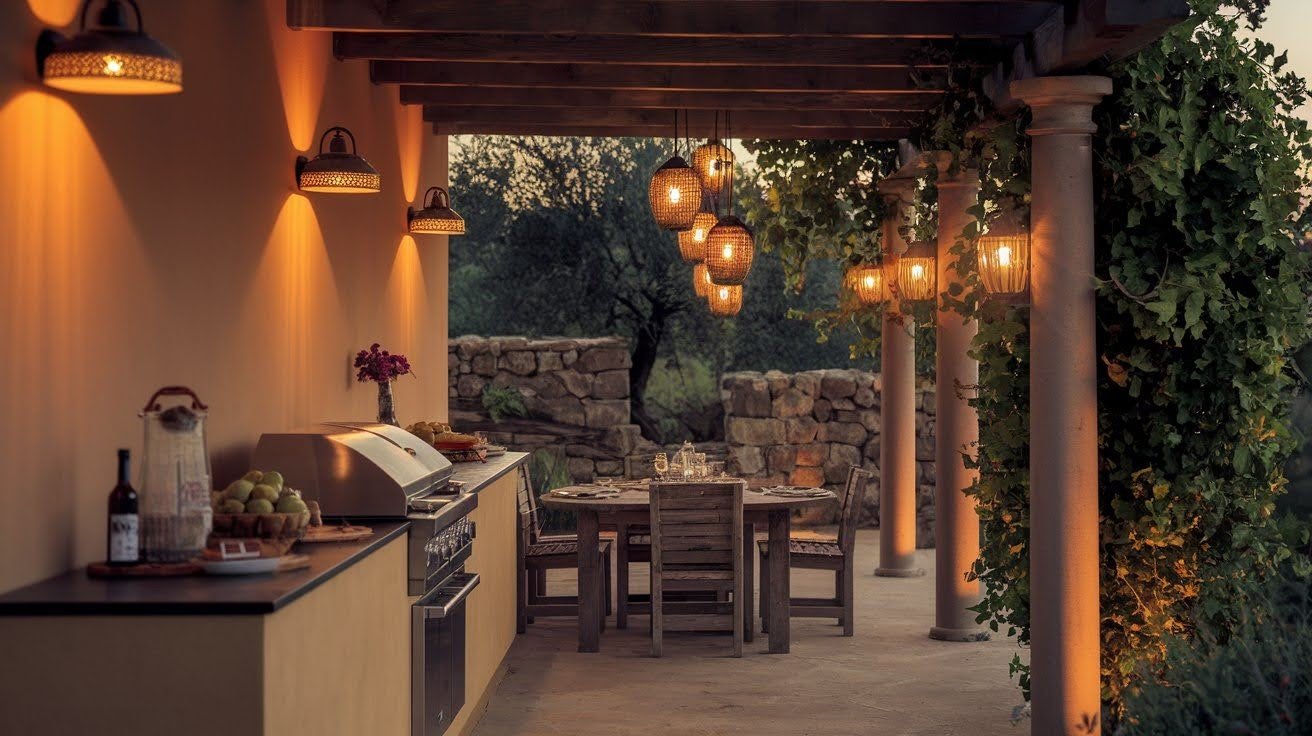
Wall sconces attach to any nearby wall or post and create a nice background glow. I recommend placing them at eye level on both sides of your outdoor kitchen. They add style while also making your space feel cozy and complete.
Hanging lanterns brings character to your outdoor space and works well for areas without electricity nearby. You can use solar-powered or battery-operated versions. Many homeowners hang several at different heights to create visual interest.
Post-mounted lights on your pergola poles provide light from multiple angles. These fixtures direct light downward while adding to your outdoor decor. They’re perfect for lighting up dining areas next to your kitchen space.
Accent and Safety Lighting
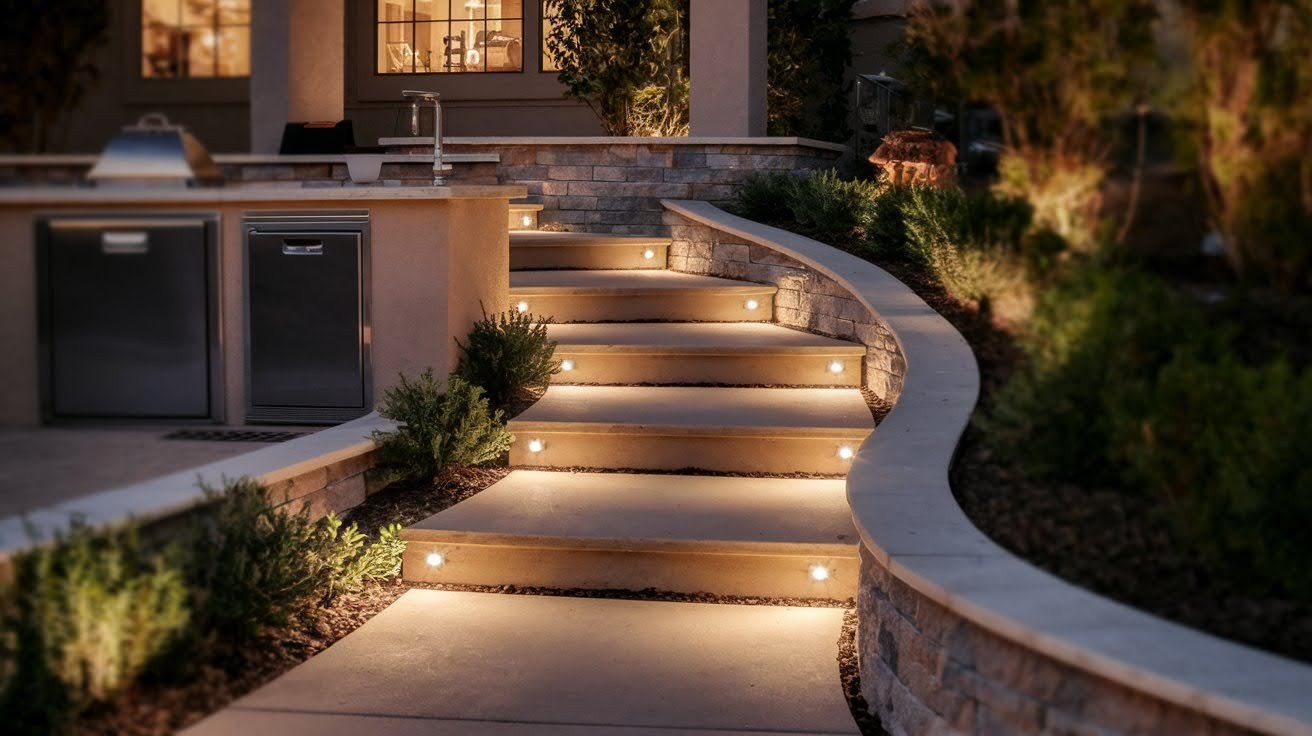
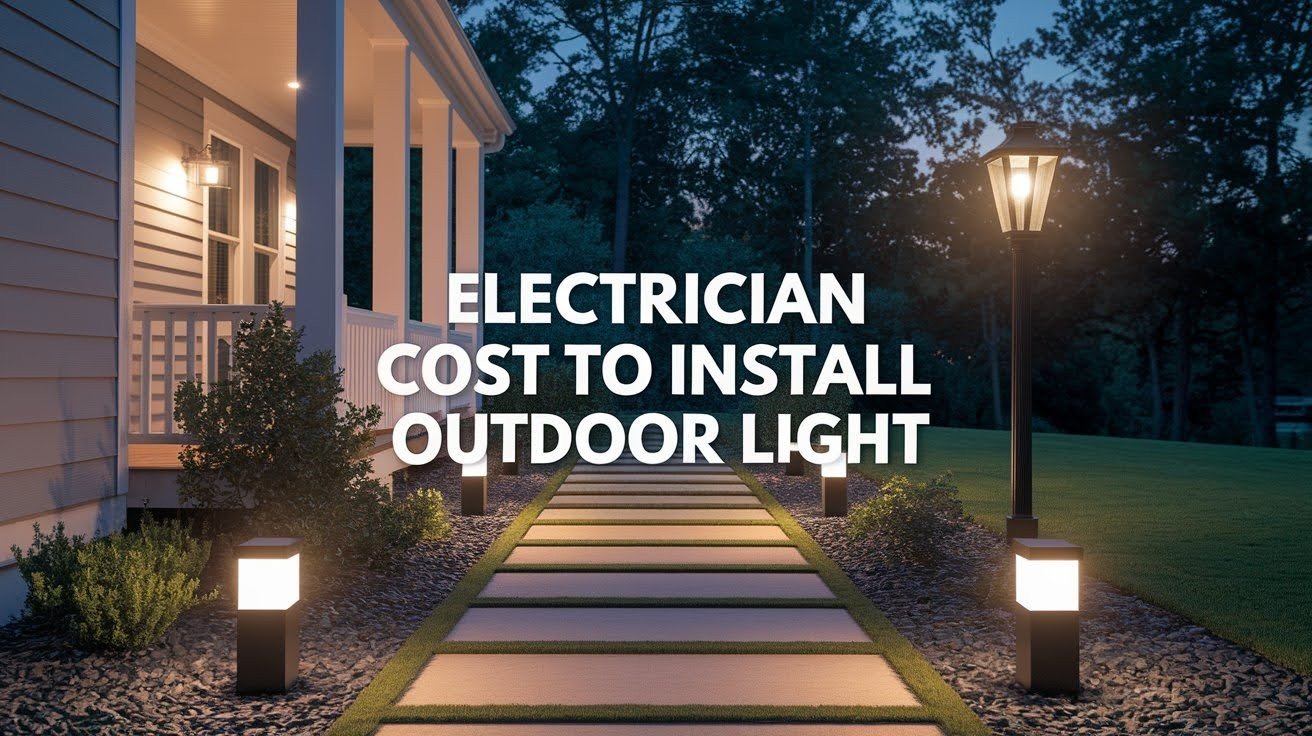
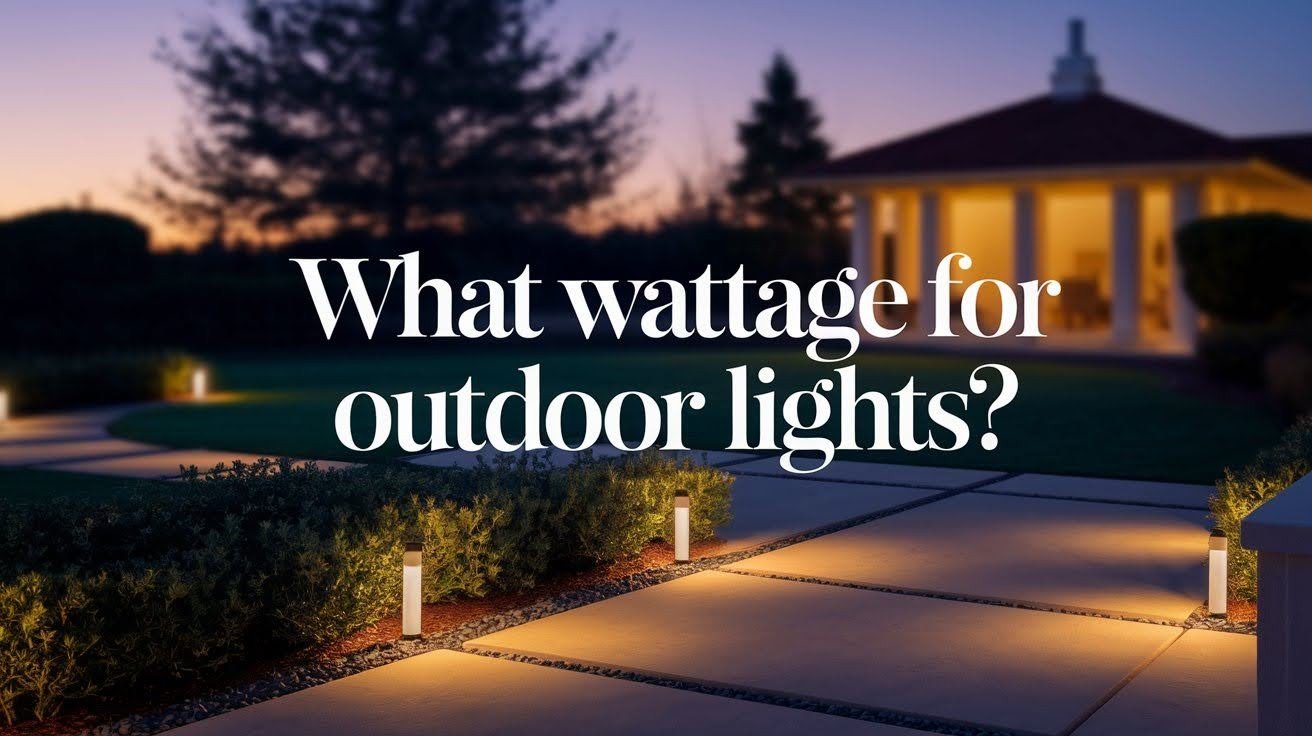
Landscape pathway lights along walkways keep everyone safe when moving between your kitchen and house. Small solar stakes work well for this purpose and turn on automatically at night. Spacing them every few feet provides enough light to see where you’re walking.
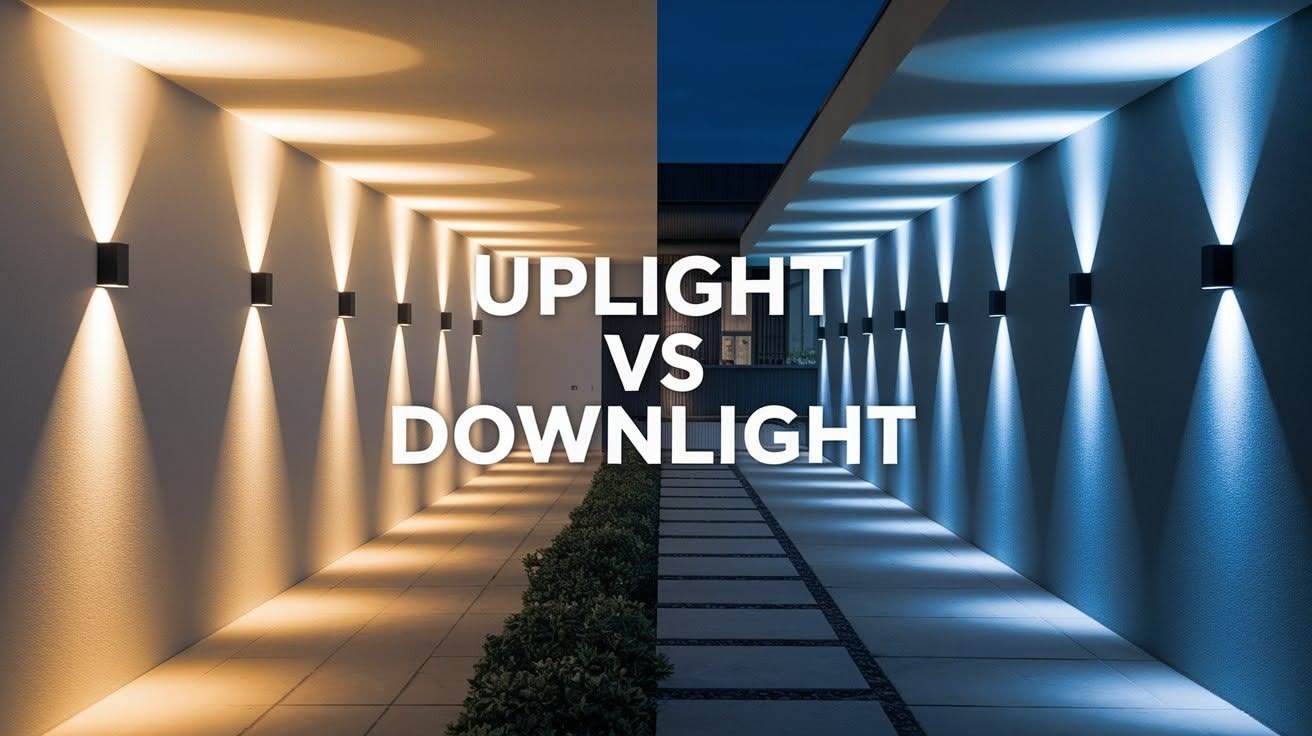
Uplighting for nearby walls and plants adds depth to your outdoor space after dark. Placing small spotlights at ground level, pointing, creates interesting shadows and highlights. This type of outdoor kitchen lighting makes your space feel larger and more inviting.
Step lighting prevents trips and falls on any stairs or level changes near your cooking area. Small LED lights built into each step edge or nearby walls show exactly where to place your feet. These are must-have safety features for any outdoor kitchen.
Modern Smart Lighting
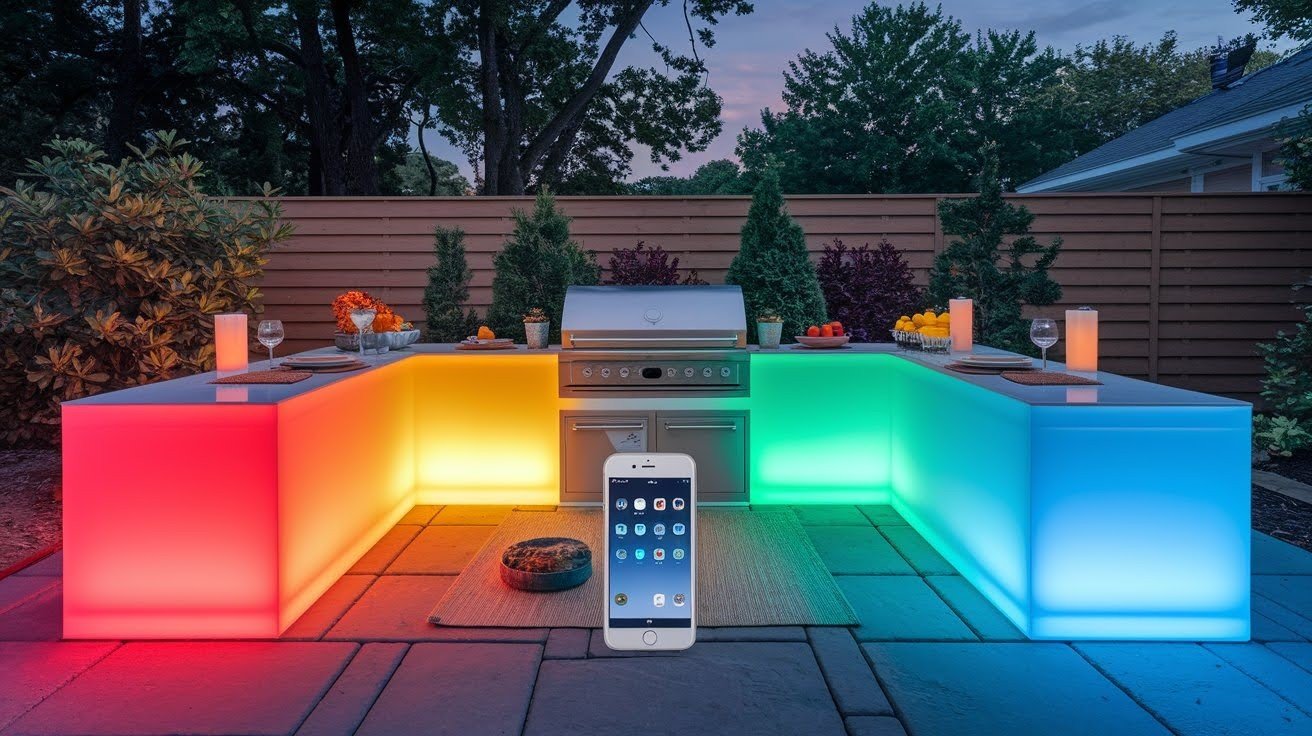
Color-changing LED systems let you adjust the mood with different colors for different occasions. You might want bright white light while cooking and warmer tones during dinner. These systems connect to your phone and change with just a few taps.
App-controlled fixtures give you power over all your lights from anywhere in your yard or even inside your house. You can turn lights on before heading outside or adjust brightness without leaving your dinner guests.
Voice-activated options work with Alexa, Google Home, or Siri to control your lighting hands-free. This is especially helpful when your hands are full with food or you’re at the grill. Just say what you want, and the lights respond.
Planning Your Outdoor Kitchen Lighting
Smart planning makes sure every part of your outdoor cooking space has the light it needs.
What Areas Need Light
Your cooking zones, like the grill and prep station, need the brightest light for safety and accuracy. You want to see the color of meat, read recipes, and handle sharp knives safely. Focus your brightest lights in these work areas first.
Countertops and bar areas need good lighting for making drinks, serving food, and socializing. Under-counter lights combined with overhead fixtures work well here. People will spend time at these spots, so make sure they can see clearly.
Seating and dining spaces benefit from softer, adjustable lighting that creates a comfortable atmosphere. You want enough light to see your face, but not so much that it feels harsh.
Lighting for Different Setups
Under covered patios or pergolas, you have more options since fixtures stay protected frthe om weather. You can install recessed lights in the ceiling, hang pendant fixtures, or add ceiling fans with built-in lights. These spaces let you use indoor-style fixtures rated for damp locations.
Open-air kitchen spaces need fully weatherproof lights rated for wet conditions. Look for fixtures with proper seals and waterproof ratings. Solar-powered options work great here since you don’t need to run electrical wiring through exposed areas.
Kitchens near walls versus freestanding setups change your lighting approach significantly. Wall-mounted kitchens can use sconces and spotlights attached to the structure.
Three Types of Lighting to Include
- Practical lighting for safety and tasks should be your priority. This includes bright lights over work surfaces, pathway lighting, and step lights. Getting these right means you can cook safely and move around without worry.
- Ambient lighting for mood sets the overall feel of your space. This softer background light comes from string lights, lanterns, or sconces. It fills in shadows and makes your outdoor kitchen feel warm and welcoming rather than harsh.
- Artistic lighting for visual appeal adds personality to your space. Uplighting on plants, colored LED strips, or decorative fixtures show off your style. These outdoor kitchen lighting ideas turn a functional space into something special that looks great even when you’re not cooking.
Lighting Controls and Convenience
The right controls make your outdoor lighting system much easier to use and more flexible.
| Category | Details | Benefits / Tips |
| Dimmer Switches | Adjust brightness for tasks or mood |
|
| Smart Home Integration | Control lights with apps or devices |
|
Tips for Perfect Outdoor Kitchen Lighting
Here are nine practical tips to help you get the best results from your lighting setup.
- Layer your lighting types: Combine overhead, task, and ambient lights for complete coverage. Using multiple types prevents dark spots and gives you flexibility for different activities.
- Choose weatherproof fixtures: Always check that lights are rated for outdoor use in your climate. Look for wet location ratings on the packaging to avoid early failures.
- Use LED bulbs: They last 15-25 times longer than old bulbs and use 75% less energy. The upfront cost pays off quickly through lower electric bills and less maintenance.
- Install lights before you need them: Don’t wait until after your kitchen is built. Running wires and mounting fixtures is much easier during construction than after everything is finished.
- Think about glare: Position lights so they don’t shine directly in your eyes or guests’ eyes. Aim spotlights down or angle them toward work surfaces rather than seating areas.
- Add timers or sensors: Motion sensors turn lights on when someone approaches and off when they leave. This saves energy and adds security to your outdoor space.
- Match your home’s style: Choose fixtures that fit with your house and outdoor decor. Consistent style makes your whole property look planned and put together.
- Maintenance plan: Install lights where you can reach bulbs easily to change them. Consider how you’ll clean fixtures and access wiring if repairs are needed.
- Start with a budget: Decide how much you can spend before shopping for fixtures. You can always add more lights later, so start with basics like task and safety lighting first.
Conclusion
Good outdoor kitchen lighting ideas make your cooking space useful since they last from morning until late at night. Ambient, task, as well as overhead lights mixed right create space also keep you safe, encouraging people to stay.
Everything is not needed for installation all at one time. First, consider one or two lighting types within your budget. These kinds will take care of needs. First, add task lights above your grill, then include safety lighting for walkways and steps.
Ready to get started? In order to choose lasting fixtures as well as to plan electrical work, talk with a lighting professional in order to get help. Soon enough, your outdoor kitchen will be ready. You are able to use it at any time of day.
Frequently Asked Questions
What is the best type of lighting for an outdoor kitchen?
LED lights work best for outdoor kitchens because they last longer, use less energy, and come in many styles. Combine overhead lights for general brightness with under-counter task lights for work areas.
How many lumens do I need for outdoor kitchen lighting?
Task areas like grills and prep stations need 50-75 lumens per square foot for proper brightness. Dining and seating areas work well with 10-20 lumens per square foot. Pathway lighting needs about 100-200 lumens per fixture to ensure safe walking at night.
Can I install outdoor kitchen lighting myself?
Simple lighting like solar stakes, battery lanterns, and plug-in string lights are easy DIY projects. However, hardwired fixtures that connect to your home’s electrical system should be installed by a licensed electrician.
How do I protect outdoor lights from the weather?
Buy fixtures with wet location ratings appropriate for your climate and installation area. Covered spaces need damp-rated fixtures while exposed areas require wet-rated ones.
What color temperature works best for outdoor kitchens?
Warm white light (2700-3000K) creates a comfortable, inviting atmosphere for dining and socializing areas. Cool white light (4000-5000K) works better for task areas where you need to see food colors accurately.