
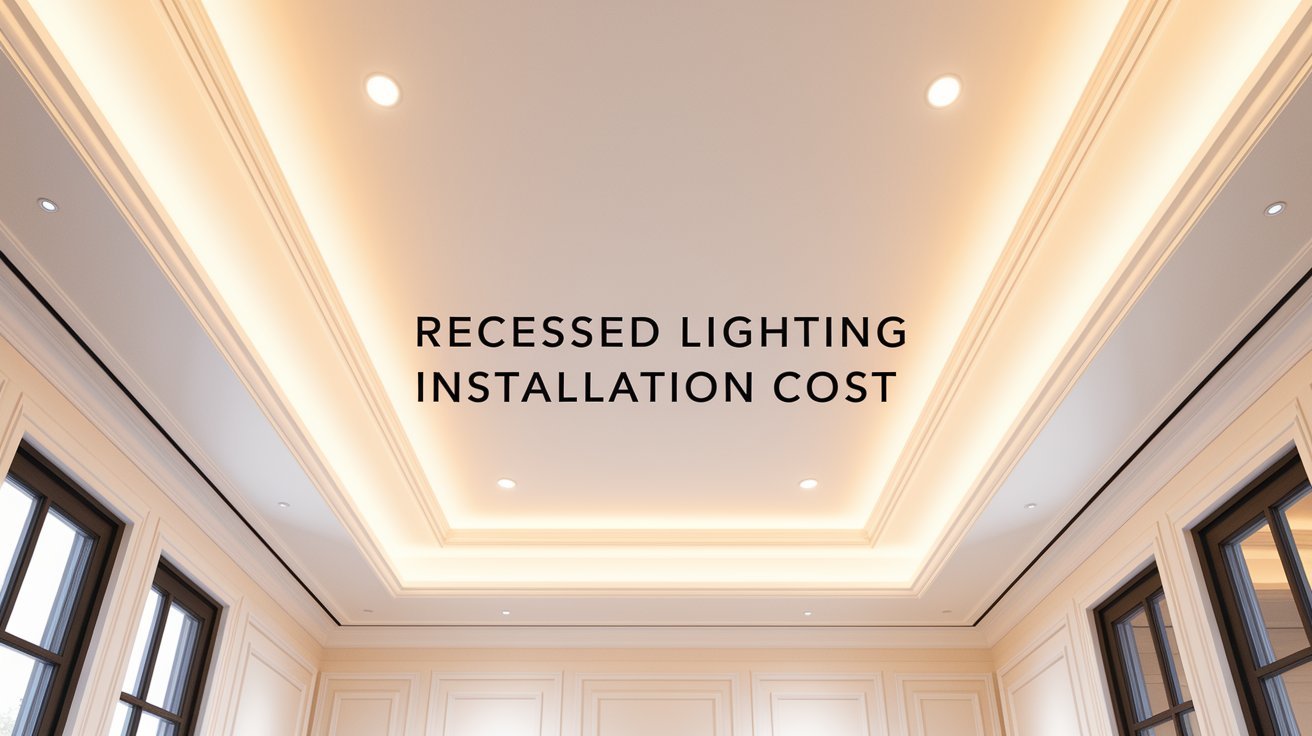
Do you want to install some recessed lights in your home? This is just a great idea! These nice ceiling lights make rooms look advanced and modern, giving control of the lighting.
It may be a question of how much this actually costs. You may wonder about it. To homeowners, the average cost for a typical six-light room was about $1,056-$1,968. The cost covers hardware, delivery, and skilled setup, but it changes with roof style, items, and place.
You can find a pendant light for about $100. However, smart controls or a custom finish may mean you pay over $500 for one light. Consult this manual to improve your budget.
Average Recessed Lighting Installation Costs
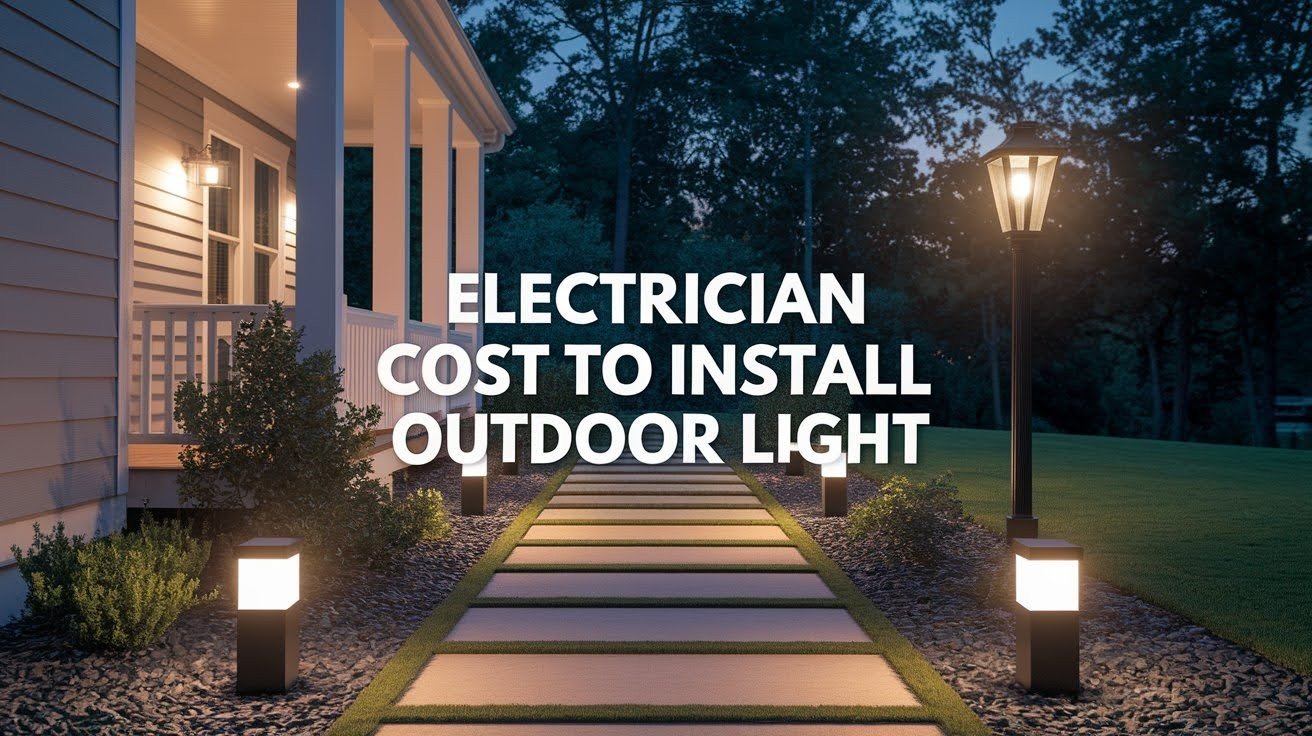
Outdoor lighting projects typically cost $100 to $300 per fixture (including materials and labor), with a 6-light room averaging $1,056 to $1,968, the national average around $1,467, and budgets ranging from $100 per fixture for basic setups to $500 for premium options.ns
What You’re Actually Paying For?
Understanding where your money goes helps you make better decisions about your lighting project.
Fixture Costs by Type
Basic LED fixtures work great for most homes. They’re affordable and energy-efficient. You can find quality options starting at $15 each.
IC-rated fixtures cost a bit more, but they’re safer. The “IC” means you can put insulation directly against them. This matters if you have an attic above your ceiling.
Smart lights give you control from your phone. You can dim them, change colors, and set schedules. They cost more upfront, but many homeowners love the convenience.
Labor Costs for Recessed Lighting Installation
Labor typically costs more than the fixtures themselves. A licensed electrician charges $85 to$105 per hour in most areas.
Each light takes about 2-3 hours to install. This includes cutting the ceiling hole, running wires, and testing everything. Your electrician needs time to do it right.
For six lights in one room, expect to pay $900 to $1,800 in labor. This is the biggest part of your recessed lighting installation cost. But hiring a professional ensures safe, code-compliant work.
Key Factors That Affect Recessed Lighting Cost
Several things can push your project cost up or down, so let’s look at what matters most.
Ceiling Material Impact on Installation Price
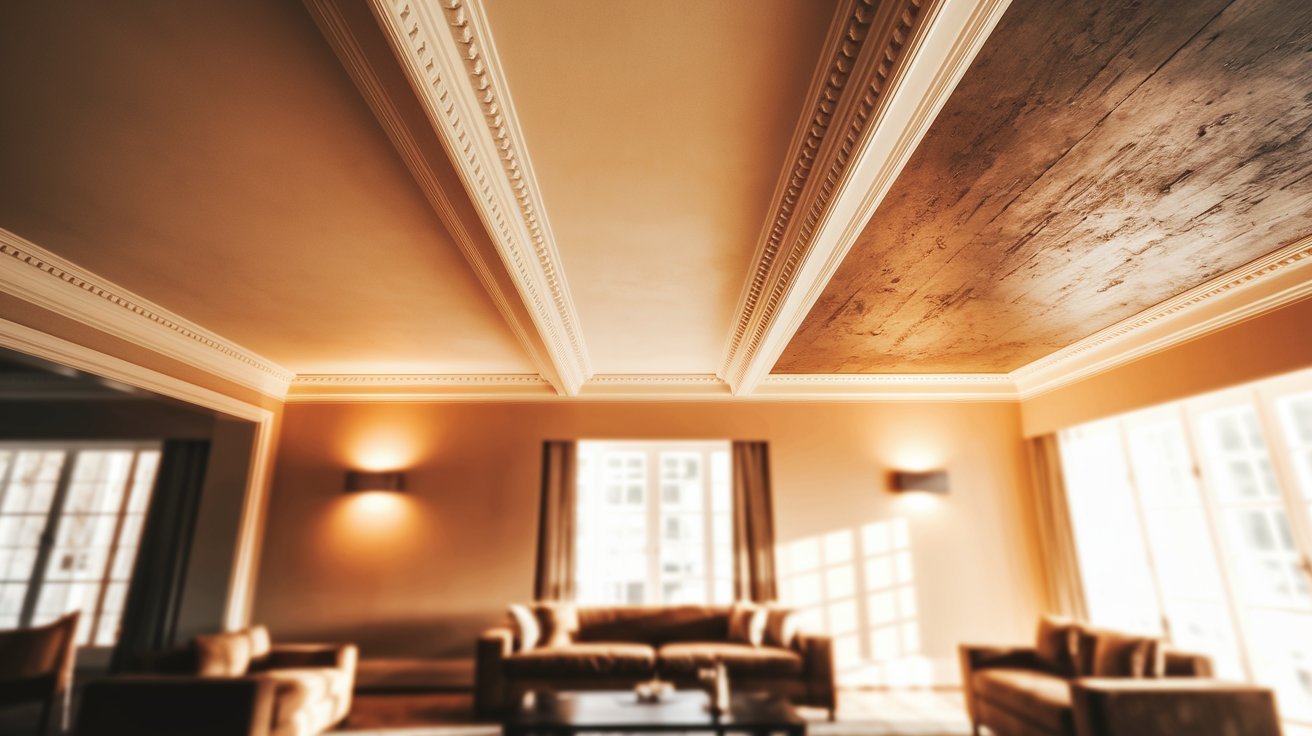
Drywall is the easiest and cheapest ceiling to work with. Your electrician can cut clean holes quickly. This keeps labor costs down.
Tray ceilings and shiplap look beautiful, but add complexity. The electrician needs special tools and more time. Expect to pay 20-30% more for these ceiling types.
Wood and concrete ceilings cost the most to install lights in. They require special drill bits and more careful work. Your labor costs could double compared to standard drywall.
Trim Type Selection
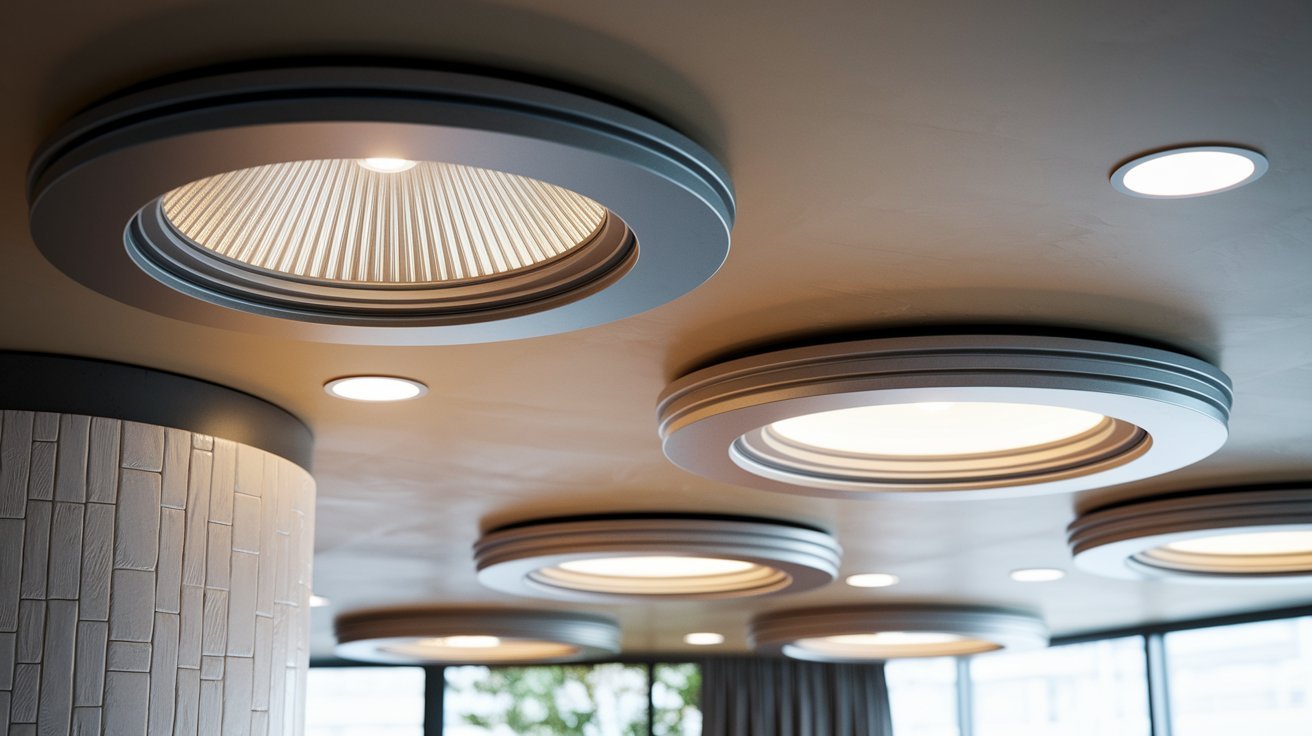
Baffle trim is the most popular choice. It has ridges inside that reduce glare. These start at just $5 for basic white options.
Reflector trim bounces more light into the room. It costs slightly more but gives you brighter output. This works great in kitchens and workspaces.
Shower-rated trim handles moisture in bathrooms. The extra sealing and special lens bump up the price. But they’re required by building codes in wet areas.
Bulb Type and Energy Efficiency
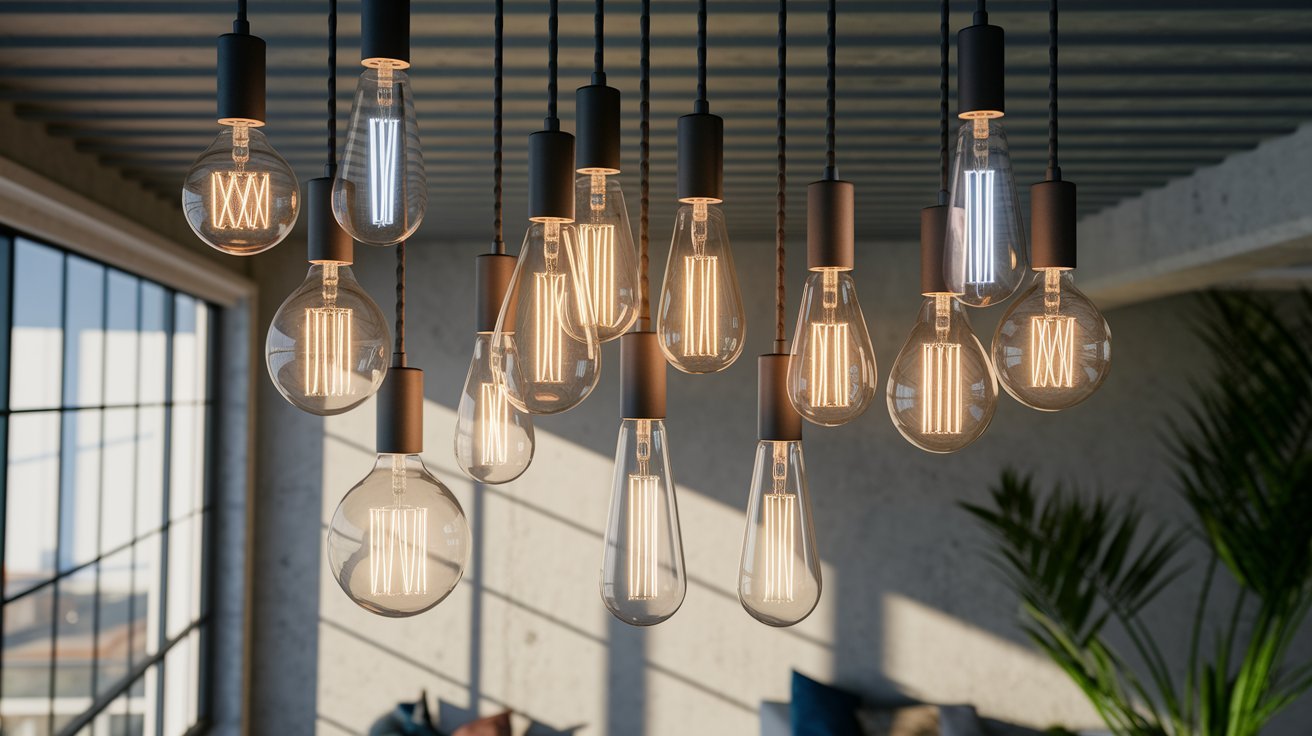
LED bulbs cost more upfront but save you money over time. They use 75% less energy than old incandescent bulbs. They also last 25 times longer.
A quality LED bulb costs $5 to $20. It will run for about 25,000 hours. That’s nearly 23 years if you use it 3 hours per day.
Smart bulbs give you dimming and color control. They’re the priciest option at $15-$60 each. But they work with Alexa, Google Home, and other systems.
Finish Color and Customization
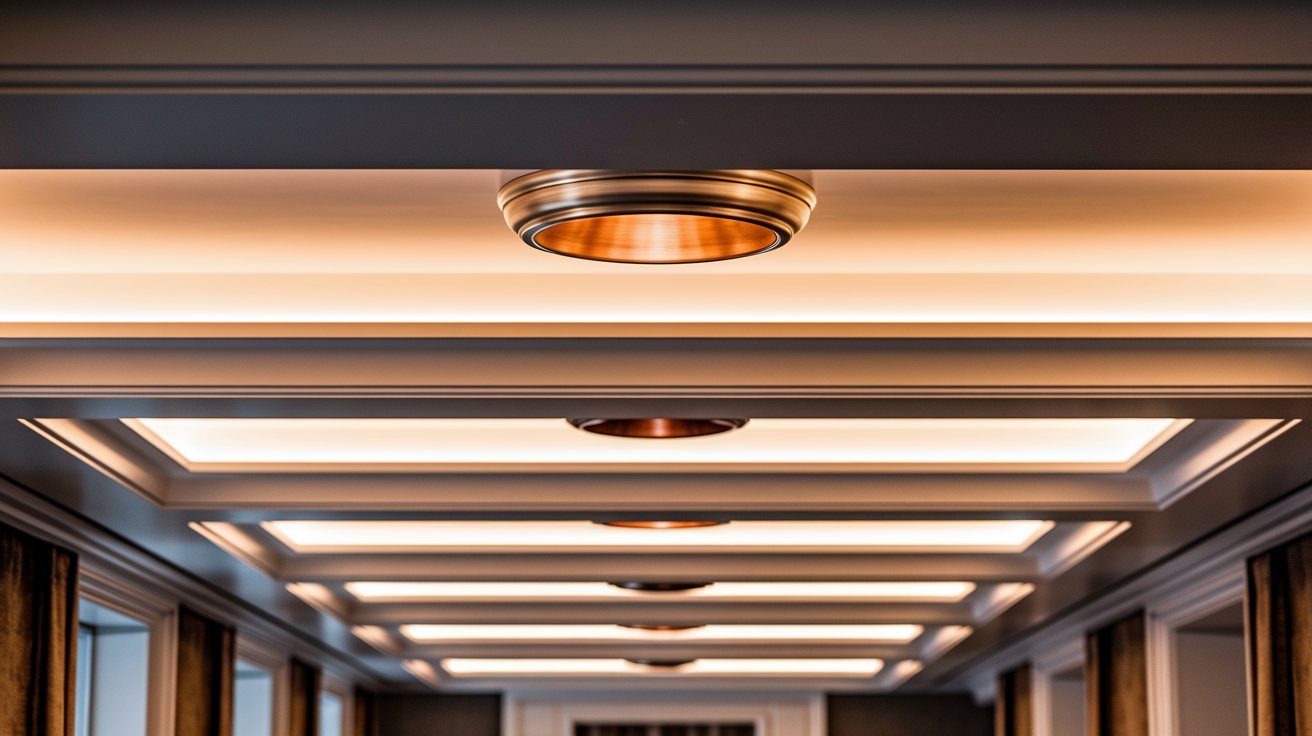
White trim is the cheapest and most common. It works in any room and matches most ceilings. This is what most contractors install by default.
Brushed nickel looks modern and matches stainless steel appliances. It costs $10-$20 more per fixture than white. Many homeowners choose this for kitchens and bathrooms.
Bronze and copper finishes create a warm, rich look. They pair well with traditional decor. Expect to pay $20-$60 per trim ring for these premium colors.
Can Light Sizes (3″ to 8″)
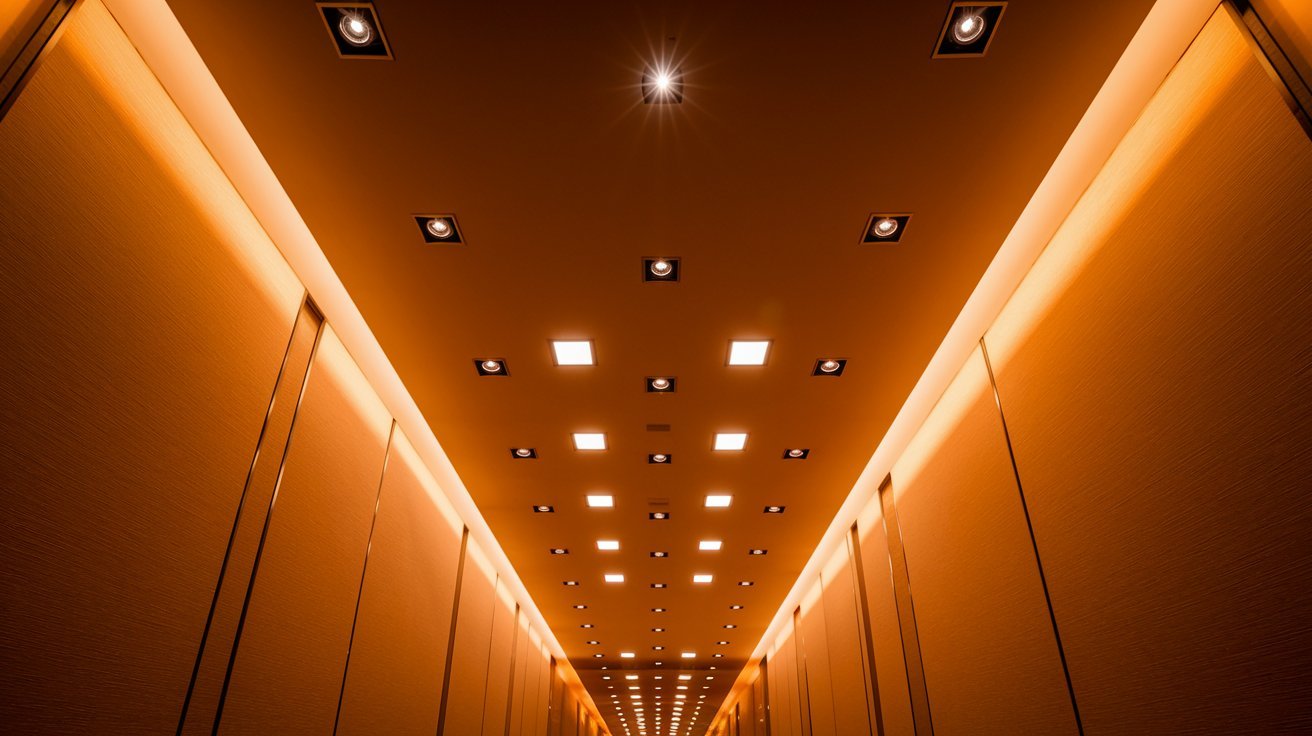
Three-inch lights work well in hallways and closets. They cost less because they’re smaller. You’ll pay $80-$200 per fixture installed.
Six-inch lights are the most common size. They fit most rooms and provide good coverage. Budget $100-$300 per light for these standard fixtures.
Eight-inch lights work for tall ceilings or large rooms. They spread light over a wider area. But they cost more and require bigger ceiling holes.
Housing Type Selection
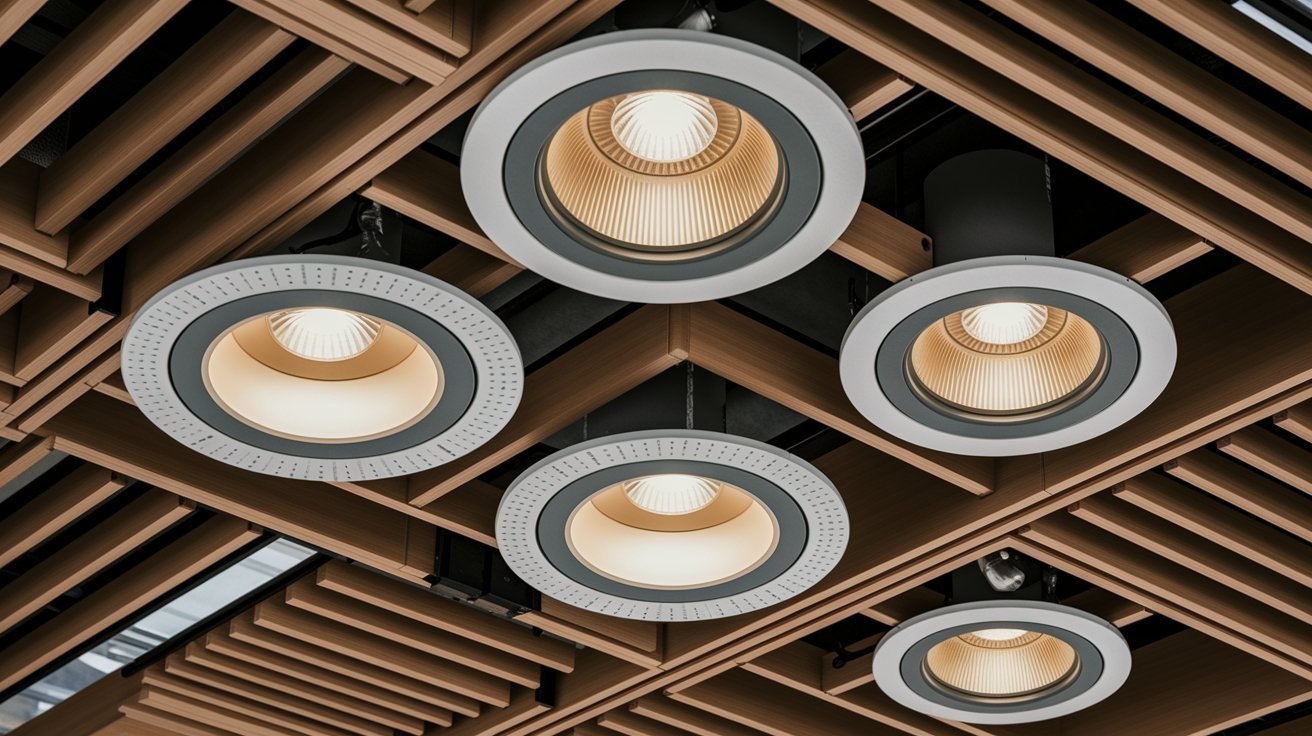
IC-rated housings let you safely add insulation around them. They cost $5-$15 more per fixture. If you have an attic above, you need these.
Remodel housing clips into existing ceilings. They’re perfect for adding lights to finished rooms. New construction housing nails to the ceiling joists before the drywall goes up.
Airtight housings (ICAT) stop air from leaking through your ceiling. They improve energy efficiency and comfort. These cost $10-$20 more but save money on heating and cooling bills.
Location-Specific Labor Costs
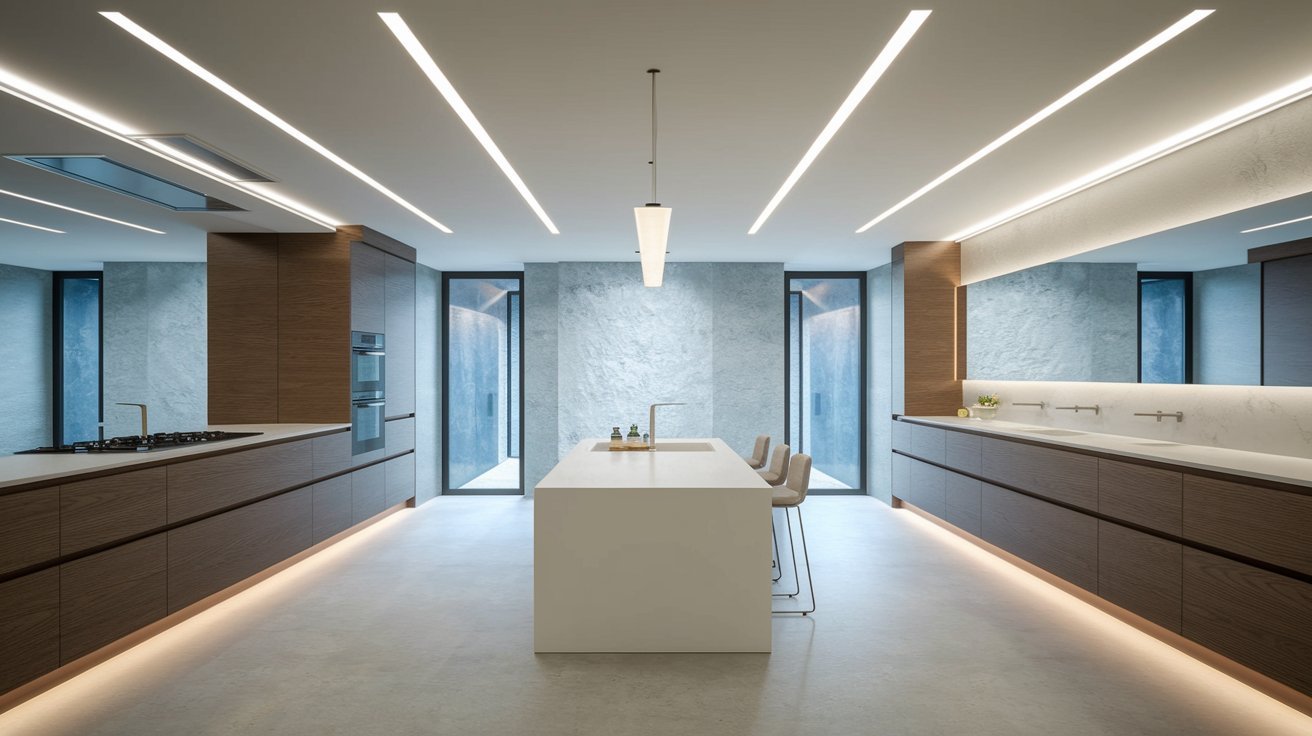
Installing recessed lights can vary depending on the room. Bathrooms need moisture-rated fixtures and careful wiring, so the work takes extra time.
Kitchens usually require more lights for task areas and careful placement around appliances, which can increase labor costs.
Living rooms and bedrooms are simpler. Open ceilings and easy access make installation quicker and keep costs more reasonable.
LED Recessed Lighting Installation Cost
LED fixtures range from $15 to $30 for basic models, $20 to $50 for IC-rated, $25 to $50 for dimmable, and $40 to $100 for smart LEDs, offering long-term energy savings
LED fixtures are the smart choice for new installations. They cost a bit more than old-style lights but pay you back quickly. Most homeowners recover the extra cost within two years through lower electric bills.
The real value comes from energy savings. LED lights use so little power that six fixtures cost only $5-$10 per year to run. Compare that to $50-$80 yearly for incandescent bulbs.
Room-by-Room Cost Estimates
Different rooms need different lighting setups, which affects your total project cost.
Kitchen Recessed Lighting Cost
Kitchens need the most lights because you’re cooking and working with sharp tools. Good lighting keeps you safe and makes food prep easier.
Most kitchens use 8-10 recessed lights placed about 4 feet apart. This provides even coverage over counters and cooking areas. Some homeowners add extra lights over the sink and stove.
Your total kitchen lighting project will cost $1,600 to $3,000. This includes all fixtures, trims, and professional installation. Kitchens cost more because they require more lights and careful placement.
Living Room Installation Cost
Living rooms need fewer lights than kitchens, but still require good coverage. Six to eight lights work for most average-sized living rooms.
Plan on spacing your lights 4-6 feet apart. This creates even lighting without dark corners. Many people add dimmer switches so they can adjust brightness for movies or reading.
Expect to spend $1,200 to $2,400 for a living room installation. The cost depends on your ceiling height, material, and the fixture quality you choose.
Bathroom Recessed Lighting Cost
Bathrooms need special fixtures that handle moisture and humidity. Building codes require shower-rated housings above tubs and in shower areas.
Small bathrooms typically need 4 lights. Larger master bathrooms might use 6 or more. The moisture-rated fixtures cost $10-$30 extra per light.
Budget $800 to $1,800 for bathroom recessed lighting installation cost. The higher price reflects the specialized fixtures and extra labor for working in tight spaces.
Homeowner Experiences and Tips
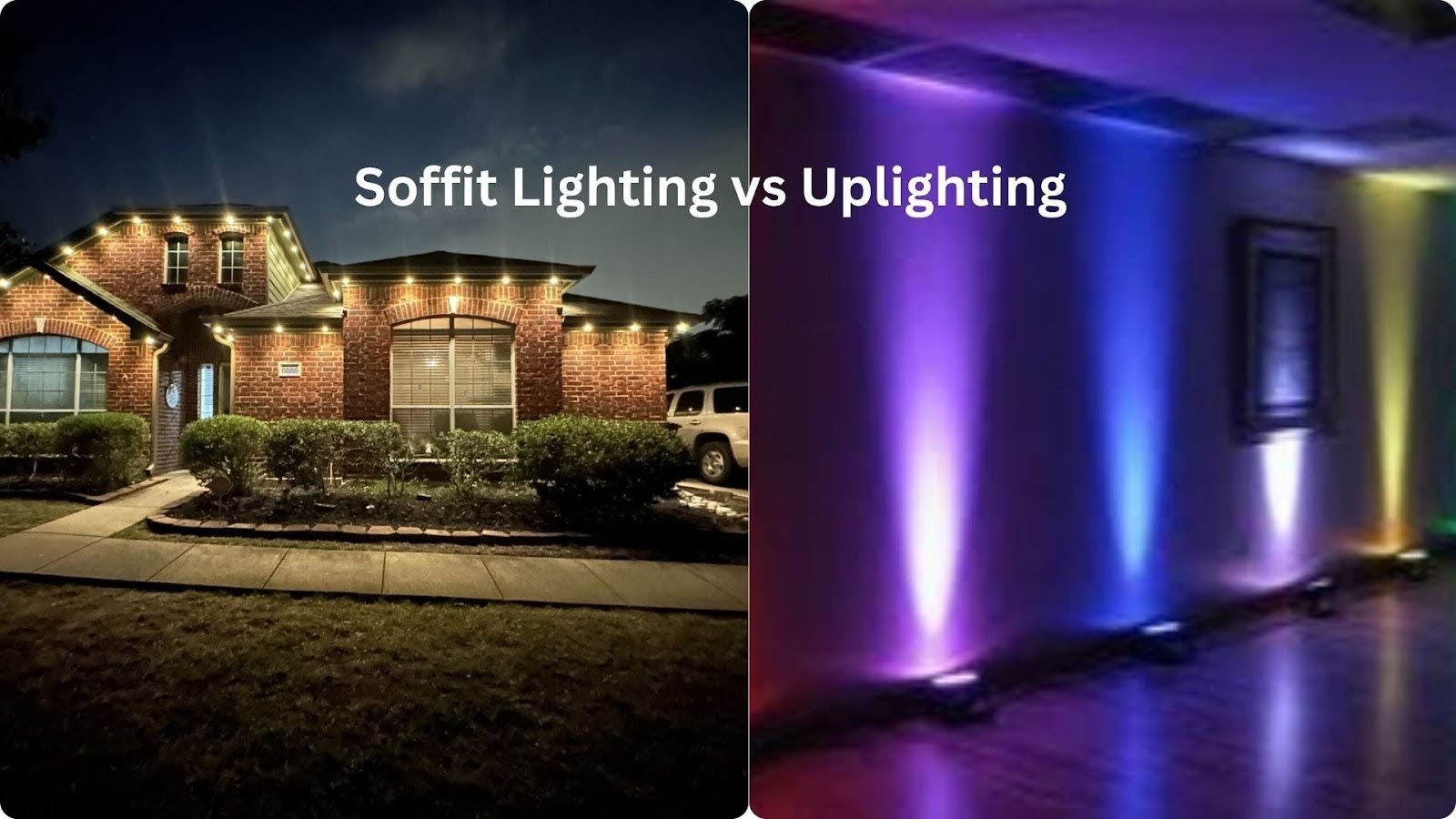
Learn from real homeowners about what works and what to avoid when choosing between soffit lighting and uplighting.
- Many homeowners recommend installing a few uplights first to see how the glow changes the room’s ambiance before committing to a full setup.
- Combining uplighting with soffit lighting can prevent common mistakes like uneven illumination or harsh shadows, creating a balanced, welcoming environment.
- Homeowners found that focusing uplighting on one architectural feature, like a textured wall or ceiling beam, delivers a bigger visual impact than spreading lights too thinly.
- Experiences show that uplighting works best in medium to high ceilings, while soffit lighting may be more effective in lower spaces to avoid glare.
- People often regret fixed lights; using adjustable uplights allows them to tweak angles and brightness as the room’s use or décor changes over time.
Homeowners found that focusing uplighting on one architectural feature, like a textured wall or ceiling beam, delivers a bigger visual impact than spreading lights too thinly.
Experiences show that uplighting works best in medium to high ceilings, while soffit lighting may be more effective in lower spaces to avoid glare.
People often regret fixed lights; using adjustable uplights allows them to experiment and tweak lighting as their style evolves.
Conclusion
Most recessed lights cost about $1,056 to $1,968 for a six-light installation in a typical room. That’s material with labor costs if recessed lights cost $100 to $300. Prices will depend upon fixture choice, with ceiling type in room size near your location.
LED lights cost more at the start. They save energy and money on power bills. Smart features or specialized finishes can also increase the cost in turn, but may be more convenient and provide options.
You should be able to get three bids from a licensed electrician. Check also for references, reviews, and warranty information. When it has been carefully designed and is then installed properly with quality fixtures, recessed lighting can increase the value of the home as well as improve everyday living and save energy over the long term.
Frequently Asked Questions
How much does it cost to install 6 recessed lights?
Installing six recessed lights typically costs $1,056 to $1,9,68, including materials and labor. The price varies based on fixture type, ceiling material, and your location. Basic LED fixtures cost less while smart lights increase the total.
Can I install recessed lighting myself to save money?
You can install recessed lighting yourself if you have electrical experience and proper permits. However, mistakes can cause fires or code violations. Most homeowners hire licensed electricians who complete the work safely and quickly.
How long does recessed lighting installation take?
A professional electrician needs 2-3 hours per light for installation. A typical six-light room takes one full day to complete. Complex projects with difficult ceiling access or extensive wiring may require two days.
Are LED recessed lights worth the extra cost?
LED recessed lights cost $10-$20 more per fixture but save money long-term. They use 75% less energy than old bulbs and last 25 times longer. Most homeowners recover the extra cost within two years through lower electric bills.
Do I need IC-rated recessed lights for my home?
You need IC-rated lights if insulation touches your ceiling fixtures. Most homes with attics require IC-rated housings for safety and building code compliance. These fixtures cost $5-$15 more each but prevent fire hazards.