

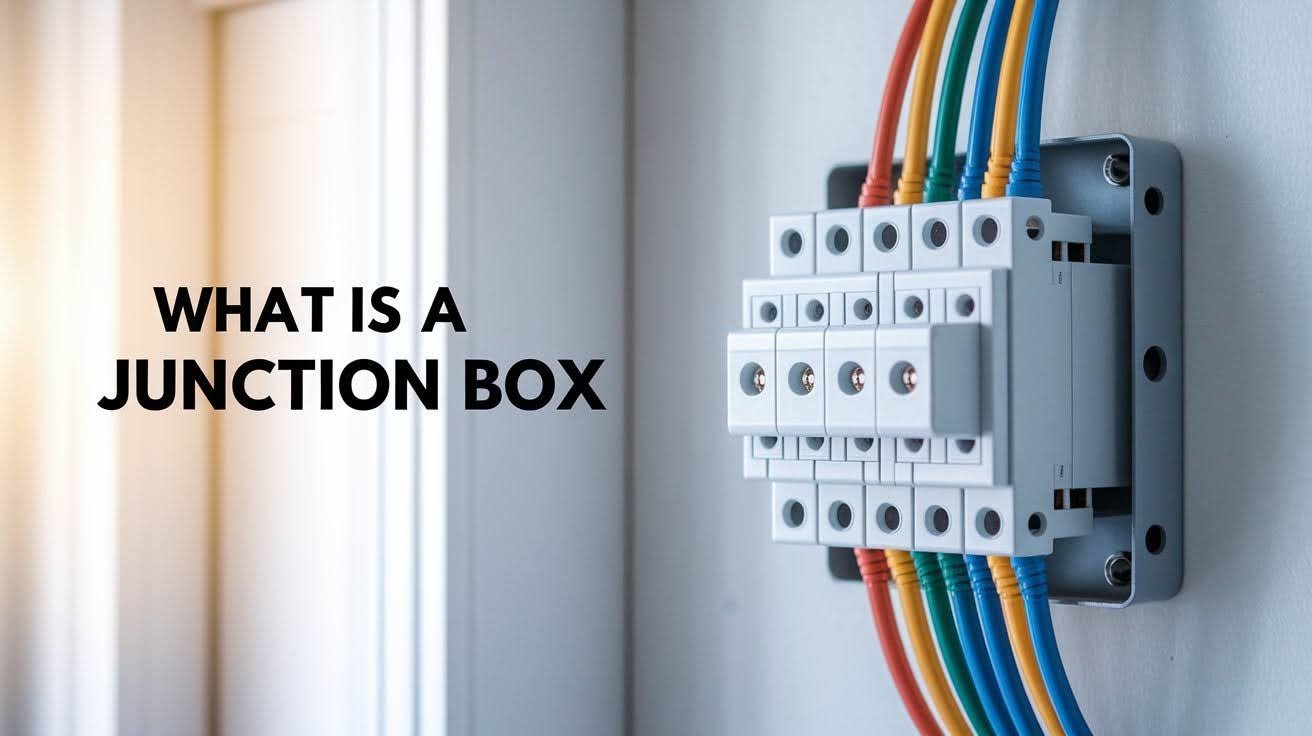
Do you know about the small metal or plastic boxes in your house walls? Those little boxes do such a great job in keeping your home safe and sound from electrical fires. You will understand what a junction box is.
A junction box is just like a container used for electrical connections. Every time that wires meet and are connected inside your home, you need a box to protect that connection. That’s where junction boxes come in, they protect you and your family from electrical wiring.
These boxes are simple devices, and shall be located in accordance with the applicable building code. Knowing how they are constructed and located may alert you to when it is time for you to call an electrician and what you need so you can improve the safety of your home.
What Is a Junction Box?
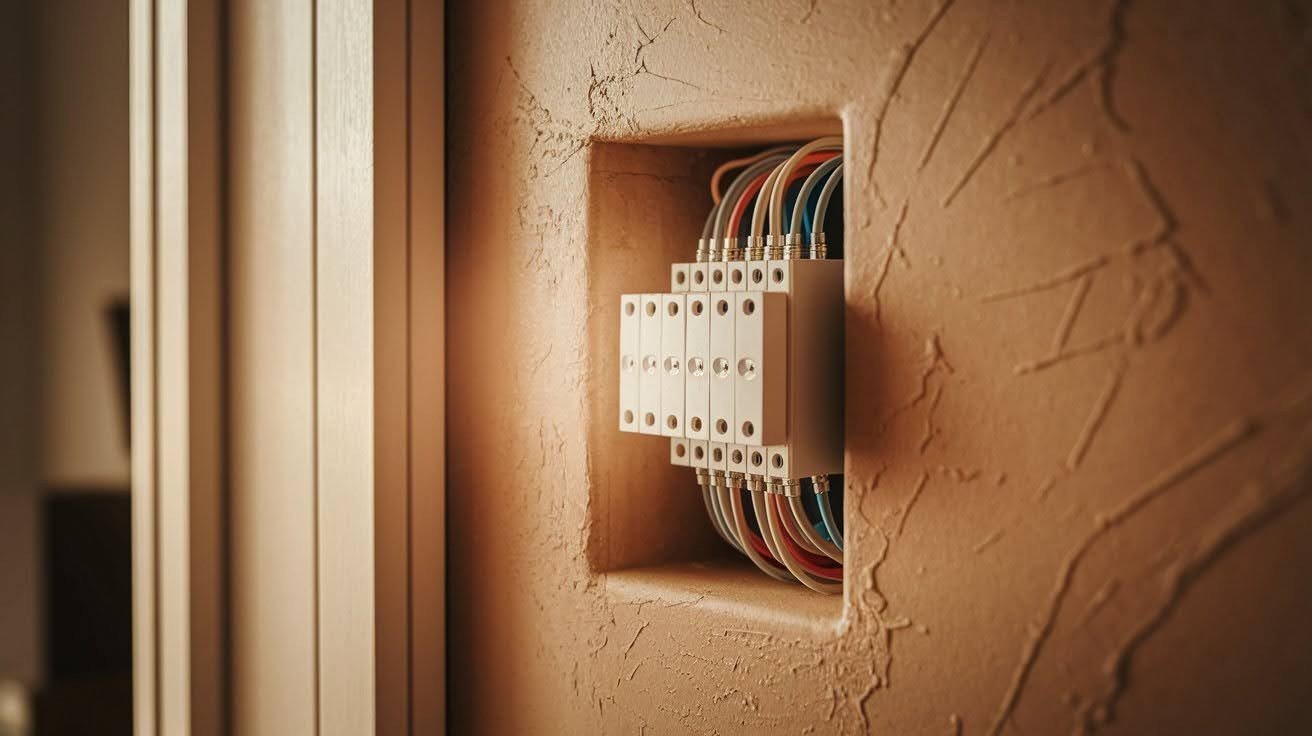
Think of a junction box as a meeting point for your home’s electrical wires. Just like you need a safe place to connect different roads, your electrical wires need a protected spot to join together. This simple box keeps everything organized and safe.
You’ll find these boxes throughout your home, often hidden behind walls or in your attic. They come in different sizes and materials, but they all do the same basic job. Every connection point needs proper protection to prevent problems.
Most people don’t think about these boxes until they do a home project. But knowing what is a junction box helps you understand your home better. These boxes are working quietly behind the scenes every day to keep you safe.
Why Junction Boxes Matter in Your Home?
Your home’s electrical system depends on safe wire connections. The National Electrical Code requires junction boxes to protect against electrical fires and shocks. These requirements exist because exposed wire connections are extremely dangerous.
Inside the box, you’ll find hot wires (usually black), neutral wires (white), and grounding wires (green or bare copper). Each type of wire plays a specific role in keeping electricity flowing safely.
Without proper junction boxes, you risk short circuits that can cause fires. Moisture, dust, and accidental contact with wires can all create problems. A good junction box with a secure cover stops these issues before they start.
How Junction Boxes Work?
Electrical wires start at your main electrical panel, where power enters your home. From there, thick cables called Romex wire run through your walls to junction boxes. These cables contain multiple wires wrapped in a protective sheath.
When the cable reaches a junction box, electricians strip away the outer sheath and connect the wires. The connections then split off to other boxes that power your lights, outlets, and appliances.
Each connection must follow specific rules about wire size and capacity. You can’t mix different wire gauges in the same circuit without creating safety issues. The junction box keeps these connections visible and accessible for inspection.
Wire Connection Hub
Romex wire runs from your electrical panel to each junction box in your home. This heavy-duty cable carries electricity safely through your walls and ceilings. Once it reaches the box, the cable’s outer covering gets removed to expose the individual wires inside.
Inside the junction box, wires connect using twist-on wire connectors (wire nuts). These connectors join wires of the same type together – black to black, white to white, and ground to ground.
From this central point, wires can branch out to other fixture boxes throughout your home. The wire gauge must stay consistent throughout the circuit. Using the wrong size wire creates a fire hazard that building inspectors will fail to detect.
Types of Junction Boxes and Their Uses
The type of box you need depends on your specific project. New construction uses different boxes than remodeling work. Outdoor areas need weather-resistant boxes that can handle rain and temperature changes.
Junction Box vs. Other Electrical Boxes
| Type of Box | Purpose | What Mounts to It | Personal Tip |
| Junction Box | Safely houses wire connections and splits wires to different locations. | Nothing, just a blank cover. | Think of it as the “meeting spot” for wires. Keeps everything neat and safe. |
| Receptacle Box | Holds electrical outlets for plugging in devices. | Electrical outlets. | Perfect for keeping your gadgets powered without overloading circuits. |
| Switch Box | Houses light switches, dimmers, or controls for lighting. | Switches or dimmer controls. | Ideal for when you want easy access to control your lights. |
| Fixture Box | Mounts light fixtures and supports their weight. | Light fixtures directly. | Make sure it’s rated for the fixture’s weight. No one wants a falling chandelier |
Specialized Junction Box Types
A Handy Box mounts directly on the surface of your wall rather than inside it. These metal boxes work well in garages, basements, and workshops where you can’t easily cut into walls. They’re practical for adding new circuits in finished spaces.
New Work Boxes are installed during construction before drywall goes up. These boxes have tabs that nail directly to wall studs. Contractors use them when building new homes or room additions where walls are still open.
Old Work Boxes (also called remodeling boxes) fit into existing walls through a small hole. They have special wings or clips that grip the drywall from behind. These boxes let you add circuits without tearing out large sections of the wall.
Choosing the Right Junction Box
Picking the correct box for your project ensures safety and code compliance. Size matters because boxes need enough room for all the wires and connections inside. Cramming too many wires into a small box creates heat and increases fire risk.
The location determines which type of box you need. Indoor boxes differ from outdoor boxes in their weather resistance. Wet locations like bathrooms need boxes that can handle moisture better than standard indoor boxes.
Your local building codes specify requirements for different situations. Before starting any electrical project, check what your area requires. Many jurisdictions require permits for electrical work, and inspectors will check your junction box choices.
Junction Box Materials: Metal vs. Plastic
Choosing the right material for a junction box is important for safety, durability, and the type of electrical installation you’re doing.
| Feature | Metal Boxes | Plastic Boxes |
| Durability | Very strong and crush-resistant lasts for decades without breaking | Lighter weight but can crack if hit hard adequate for most home uses |
| Grounding | Automatically grounds when the metal conduit connects provides extra safety | Requires a separate grounding wire connection cannot ground through the box itself |
| Fire Resistance | Won’t burn or melt offers the best fire protection | Can melt in extreme heat still meets code requirements when properly installed |
| Cost | More expensive upfront costs $3-$10 per box, depending on size | Budget-friendly at $1-$4 per box good choice for simple projects |
| Installation | Heavier and harder to work with sharp edges can cut fingers | Easy to cut and modify lightweight makes handling simple |
| Best Uses | Required for surface-mounted wiring and metal conduit ideal for commercial settings | Perfect for standard residential wiring with Romex cable works well in dry locations |
| Code Requirements | Mandatory in some situations, like exposed wiring always check local codes | Allowed for most residential indoor applications not permitted in all commercial settings |
Standard Rectangular Boxes
The most common type is the standard rectangular box that holds one device. These boxes measure about 2 inches by 3 inches and come in different depths. You’ll see them throughout homes for basic outlet and switch applications.
A 4-inch square box is the standard size for residential junction boxes. This size gives enough room for multiple wire connections without crowding. The extra space makes it easier for electricians to work safely with the wires.
Most single-gang boxes work well for simple connections with just a few wires. They fit between standard 16-inch on-center wall studs. When you need to add a new circuit, these boxes are usually your first choice.
Square and Double-Gang Boxes
Square boxes and double-gang boxes provide room for multiple devices or lots of wire connections. A double-gang box holds two outlets or switches side by side. These wider boxes fit in walls the same way as single boxes, but need more space.
When you want combination outlets and switches in one location, you need a larger box. The extra space prevents wire connections from getting crushed together. Proper spacing inside the box helps prevent overheating and makes future repairs easier.
Many electricians prefer square boxes for junction points with lots of wires. The extra room makes connections easier and safer to complete. You’ll often find these boxes in attics and basements where several circuits meet.
Conclusion
Junction boxes are an important part of home electrical safety and organization. They’re simply metal or plastic boxes that prevent wires from shorting or electrocuting you. All hidden electrical connections in the walls should be in a junction box with a secured cover.
You are going to need different types of boxes for different uses throughout the house. Metal boxes are the most durable and the most fireproof. Plastic boxes for indoor use are common in comparison.
You must get an electrician with a license for boxes or hookups. You may want to familiarize yourself with the electrical system of your home, but this isn’t the sort of thing you want to try and save on without training.
Frequently Asked Questions
Can I Install a Junction Box Myself?
You can install junction boxes if you have electrical knowledge and follow local codes. However, most areas require licensed electricians for electrical work. Mistakes with wiring can cause fires or electrocution, so professional help is often safer and required.
Do All Junction Boxes Need to Be Accessible?
Yes, the National Electrical Code requires all junction boxes to remain accessible. You cannot cover them with drywall, tile, or permanent fixtures. Electricians need access to inspect and repair connections, so boxes must have removable covers.
What Size Junction Box Do I Need?
Box size depends on the number and gauge of wires inside. The NEC has specific calculations based on wire volume. A standard 4-inch square box works for most basic connections. Consult an electrician for boxes with many wires.
How Many Wires Can Fit in a Junction Box?
The number of wires depends on box size and wire gauge. A standard single-gang box typically holds six 12-gauge wires or eight 14-gauge wires. Overfilling creates heat buildup and fire risk. Always follow NEC box fill calculations.
Do Outdoor Junction Boxes Need Special Features?
Yes, outdoor junction boxes need weatherproof ratings to resist moisture and temperature changes. Look for boxes labeled “wet location” or “weatherproof” with gaskets and sealed covers.