
Home outdoor lighting choice may daunt you. At the hardware store, you browse many outdoor light bulbs. What wattage do your outdoor lights require? The choice of bulb can affect power consumption, energy costs, and safety.
Selecting outdoor light wattage is easy. The same goes for during the daytime, when natural light is available. Today, you have more control. You have more efficiency in lighting options than ever. You can light up your outside spaces effectively with little power through a few key concepts.
This guide will cover outdoor lighting wattage. It also covers how many watts you need for each area of your yard, what type of light bulbs to use, and the most common mistakes almost every homeowner makes during installation.
What Wattage For Outdoor Lights?
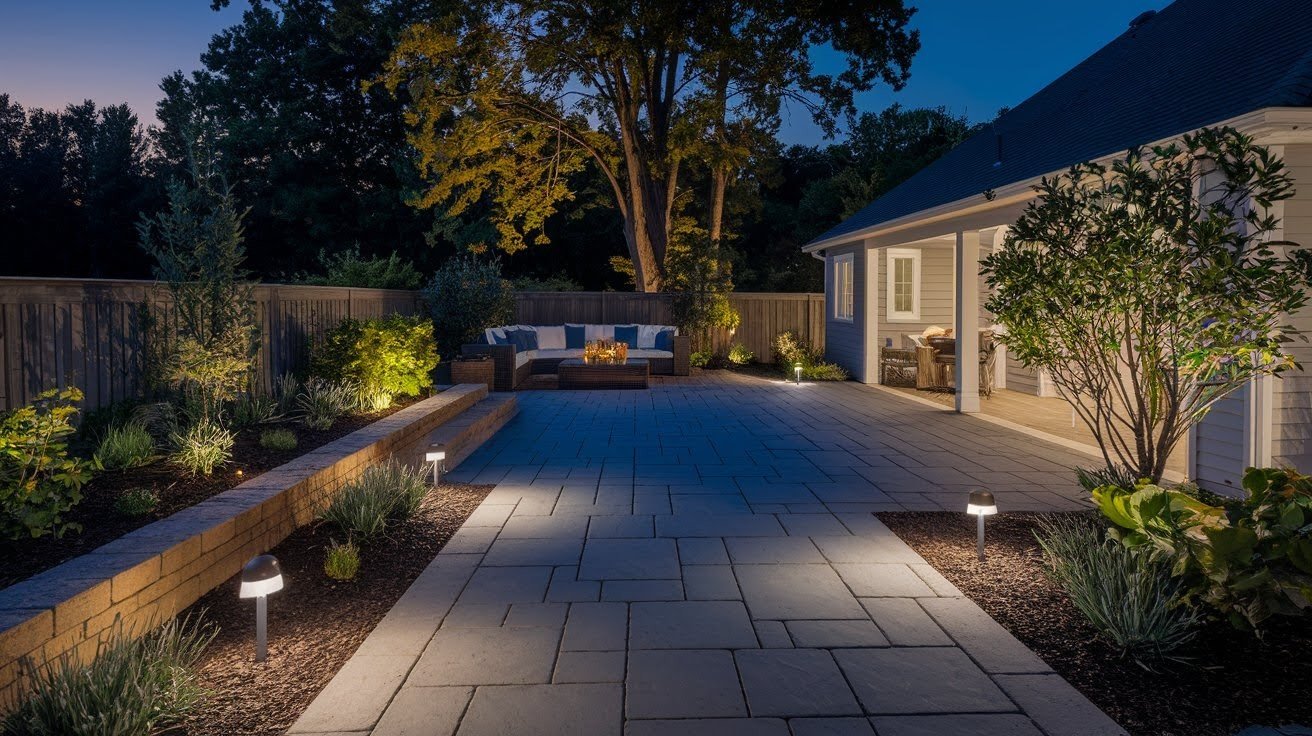
Choosing the right wattage for outdoor lights can feel tricky at first, but it’s all about balancing visibility and ambiance. For pathways and garden areas, I usually recommend starting with lower-wattage bulbs around 10 to 20 watts if you’re using LEDs.
When it comes to larger spaces like driveways or patios, you’ll want something brighter, typically in the 40 to 60-watt range for LEDs. This wattage provides enough illumination for safety and practical use, whether you’re parking a car at night or hosting friends for a backyard dinner.
For accent lighting, think of highlighting a tree, statue, or the architectural features of your home. Lower wattages work best against, often 5 to 15 watts with LEDs. It’s amazing how a small, focused beam can completely change a space after dark.
Understanding Wattage vs. Lumens for Outdoor Lighting
Wattage shows a bulb’s power use, while lumens measure brightness. LEDs provide the same light using far less energy.
Outdoor Light Wattage Quick Reference Chart
| Application Type | LED Wattage | Incandescent Equivalent | Lumen Output | Best Use |
| Ambient Lighting | 5-15W | 25-60W | 200-800 lumens | General outdoor atmosphere, soft background light |
| Security Lighting | 15-40W | 60-150W | 1,200-3,000+ lumens | Motion sensors, floodlights, deterring intruders |
| Task Lighting | 12-25W | 60-100W | 800-1,500 lumens | Grills, outdoor kitchens, work areas |
| Accent Lighting | 3-10W | 15-40W | 100-400 lumens | Highlighting plants, sculptures, and architectural features |
| Pathway Lighting | 4-8W | 20-40W | 200-400 lumens | Walkways, steps, garden paths |
| Porch/Entrance | 10-20W | 40-80W | 600-1,200 lumens | Front doors, welcome areas |
| Driveway Lighting | 20-40W | 80-150W | 1,500-3,000 lumens | Parking areas, large driveways |
| Patio/Deck | 8-15W | 40-75W | 500-900 lumens | Outdoor dining, relaxation spaces |
Key Factors When Choosing Outdoor Light Wattage
Choosing the right outdoor light wattage depends on your space, purpose, and fixture placement. Small pathways need less light, while larger areas like driveways require more.
Area Size and Coverage Requirements
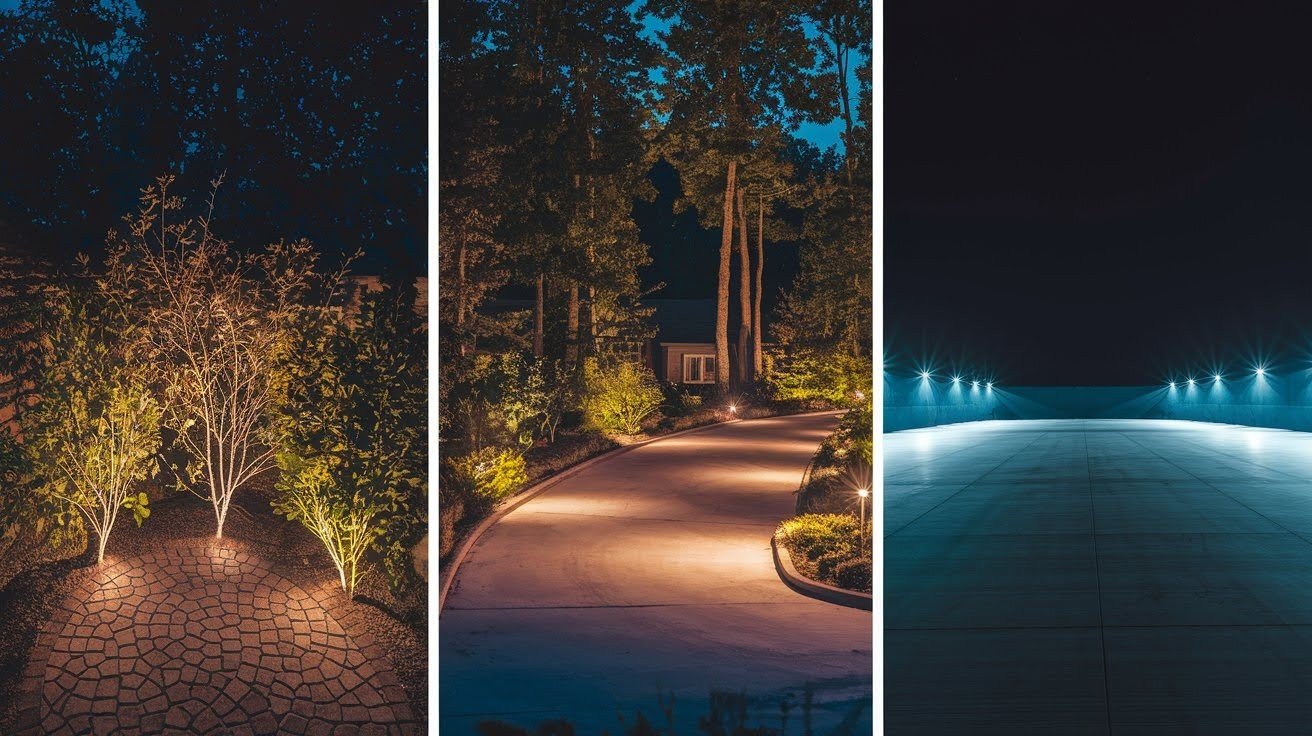
Small outdoor areas up to 200 square feet need less wattage than you might expect. For these spaces, LED bulbs between 5-12 watts (equivalent to 25-60 watt incandescent bulbs) usually provide plenty of light.
Medium-sized areas between 200-400 square feet require a bit more power to light properly. You’ll want LED bulbs in the 12-25 watt range (equivalent to 60-100 watt incandescent) for these spaces. This size typically includes standard driveways.
Large outdoor areas over 400 square feet need serious lighting power to stay bright and safe. For these big spaces, consider LED bulbs from 25-40 watts or higher (equivalent to 100-150+ watt incandescent). Large parking areas.
Purpose of Your Outdoor Lighting
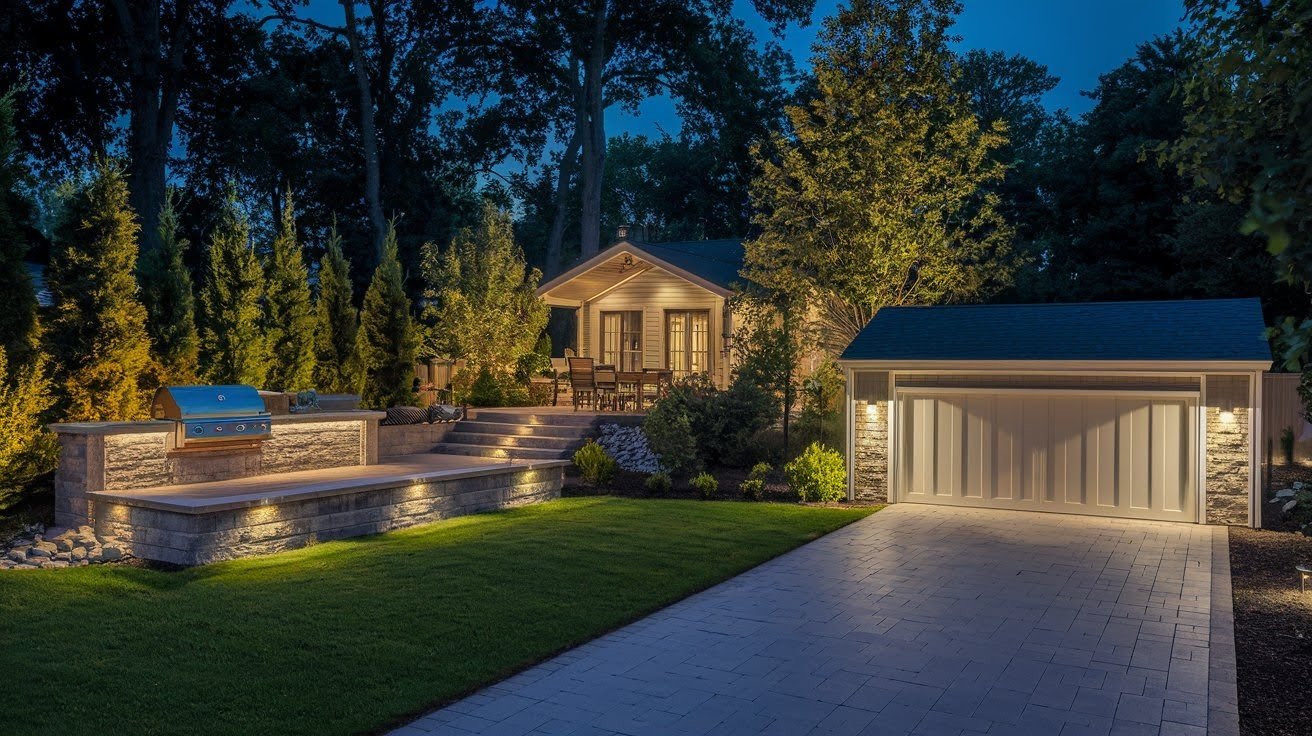
Ambient lighting creates a comfortable mood for outdoor spaces where you relax and spend time with family. For this purpose, you only need 200-500 lumens, which comes from LED bulbs around 5-15 watts.
Task lighting helps you do specific activities safely, like grilling food or working on projects outside. These areas need brighter light, typically 800-1,500 lumens from 12-25-watt LED bulbs. When you’re handling hot grills or sharp tools.
Security lighting serves an important role in keeping your property safe and discouraging unwanted visitors. These fixtures need high output 2,000-4,000+ lumens from 15-40 watt LEDs. Bright security lights paired with motion sensors give you peace of mind.
Energy Efficiency Considerations
LED bulbs are the clear winner when it comes to energy efficiency. They use about 75% less electricity than incandescent bulbs while producing the same amount of light. A 12-watt LED bulb gives you the same brightness as a 60-watt incandescent.
Fluorescent bulbs fall somewhere in the middle. They’re more efficient than incandescent but not as good as LEDs. They also don’t handle cold weather as well, which matters for outdoor use. While fluorescent bulbs cost less upfront, LEDs last much longer.
Understanding what wattage for outdoor lights works best means looking at the total cost, not just the price tag on the bulb. An LED bulb might cost more initially, but it uses less electricity and needs replacing far less often.
Location-Specific Lighting Needs
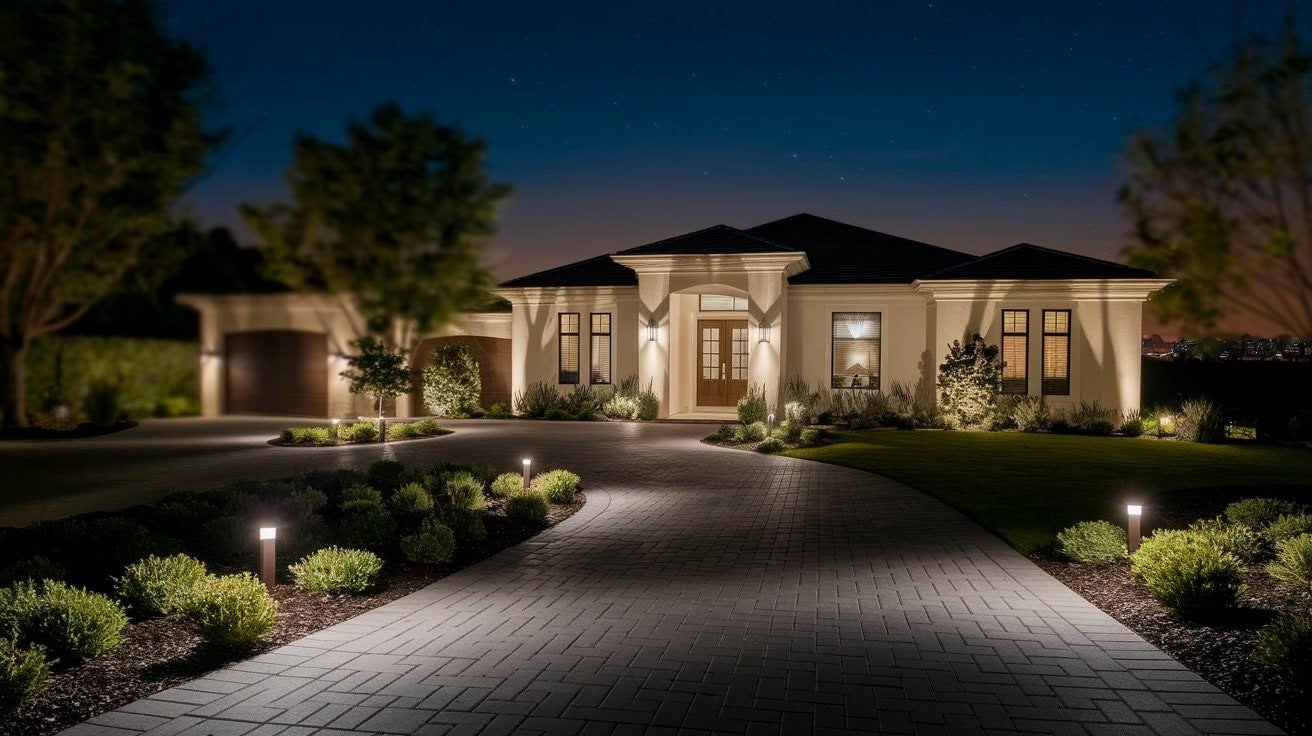
Your front entrance and door area need enough light to welcome guests and help you see who’s visiting. Most homes do well with 40-80 watt equivalent bulbs (10-20 watt LEDs) that provide 600-1,200 lumens.s
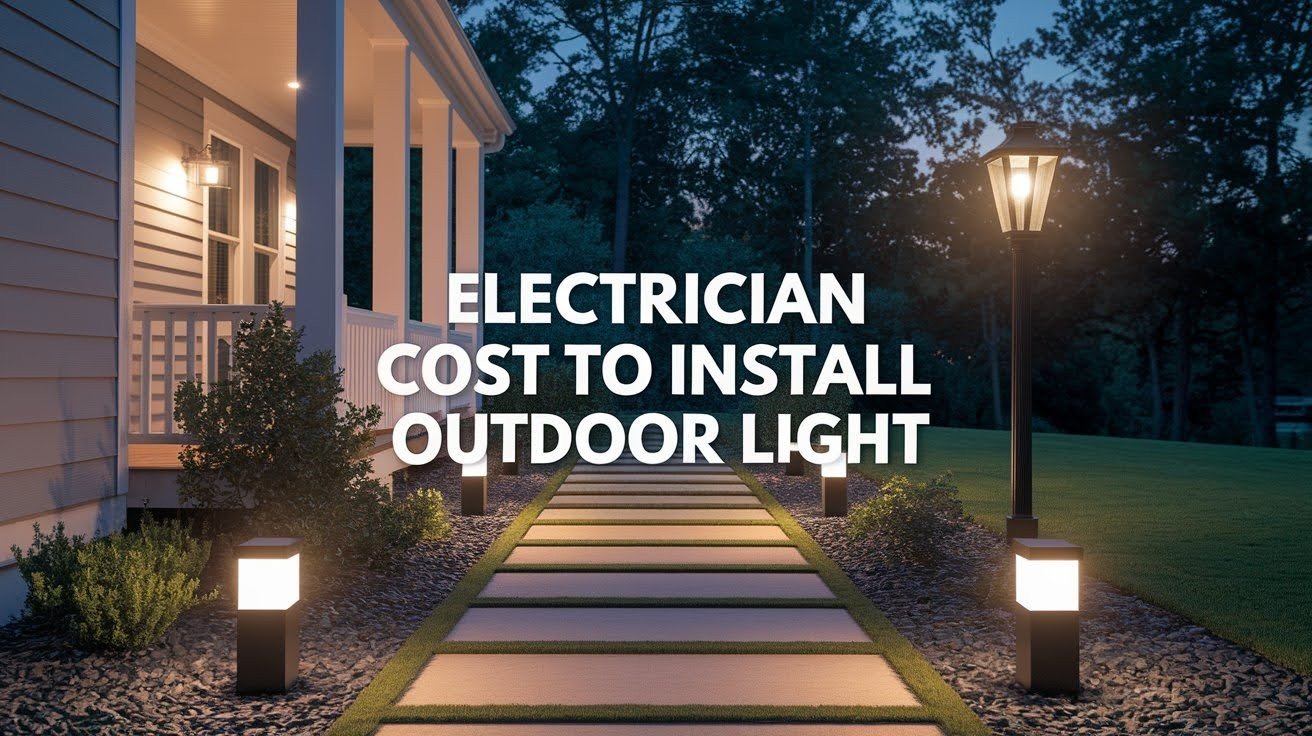
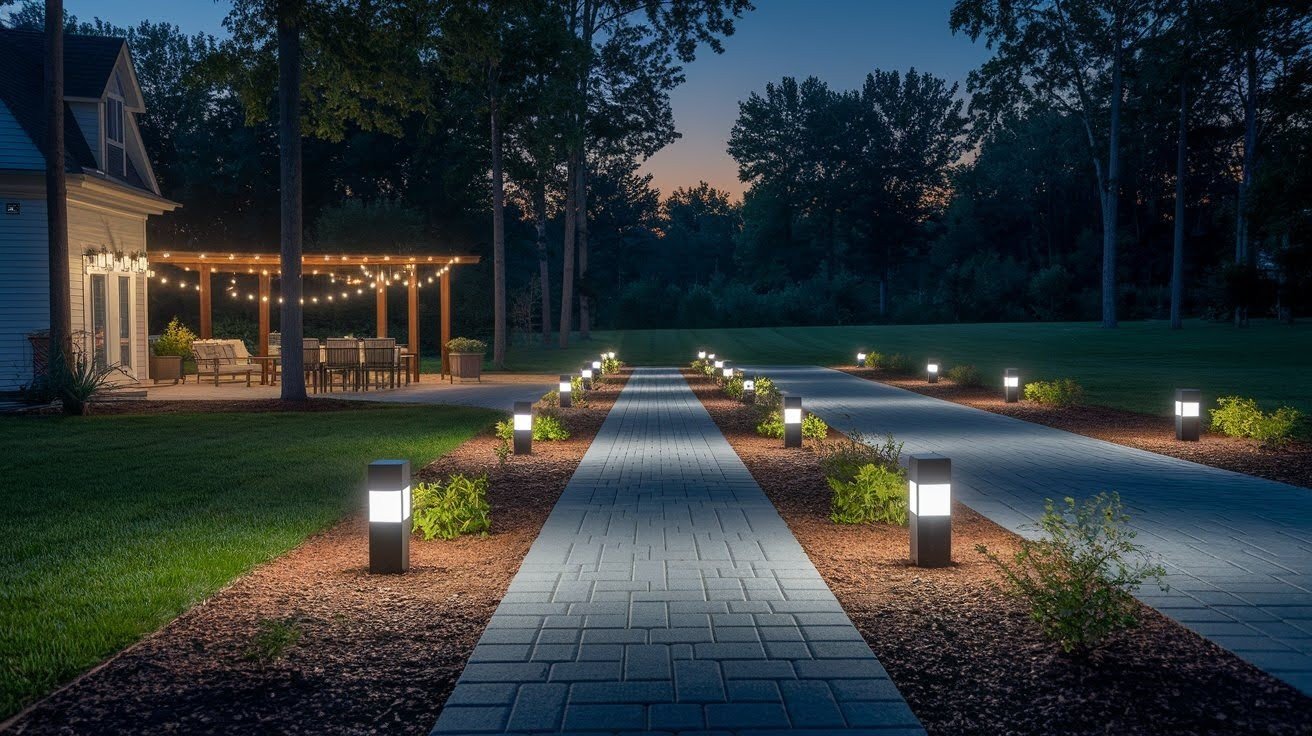
Pathways and walkways require lower wattage spread across multiple fixtures. Using 48-watt LED bulbs (200-400 lumens) every 6-8 feet along the path gives you enough light to see the ground clearly without creating harsh shadows.
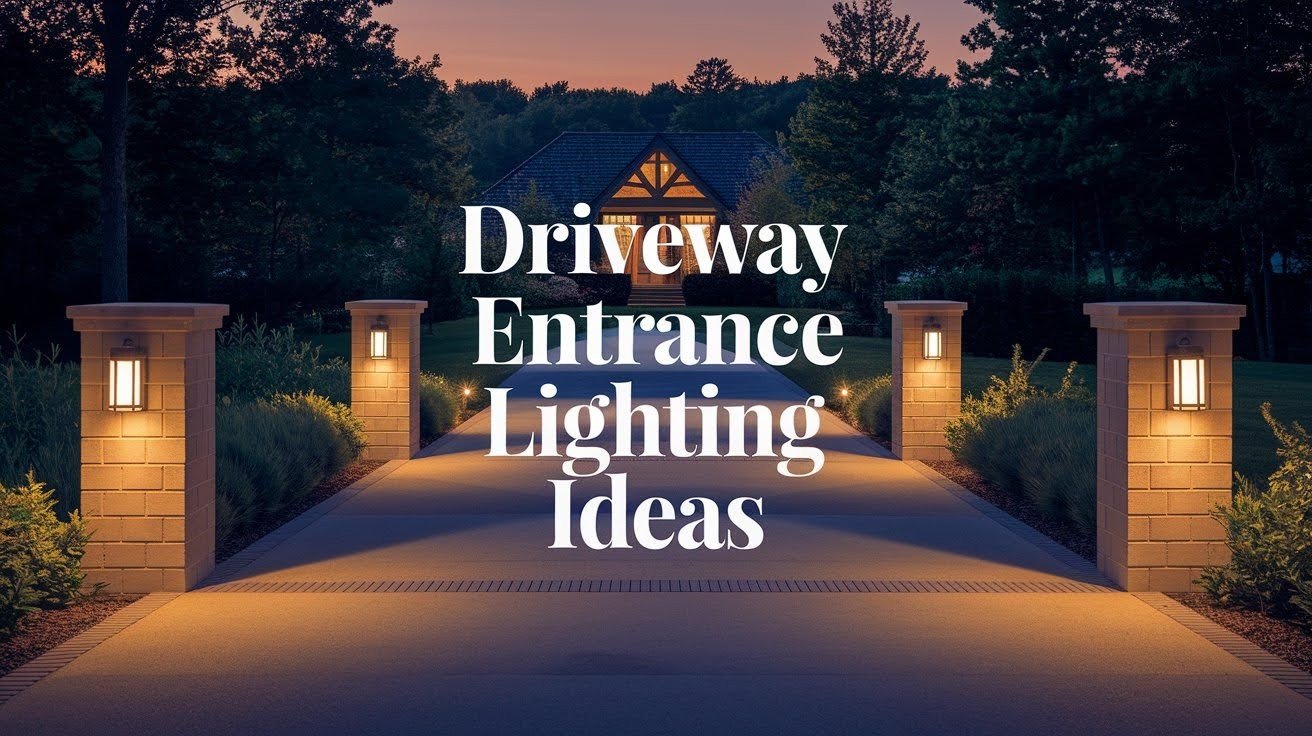
Driveways and parking areas need stronger lighting for safety and visibility. These spaces work best with 20-40 watt LED bulbs (1,500-3,000 lumens) placed strategically to light the entire area. Good driveway lighting helps you see obstacles, park safely, and spot any problems around your vehicles at night.
Environmental and Light Pollution Concerns
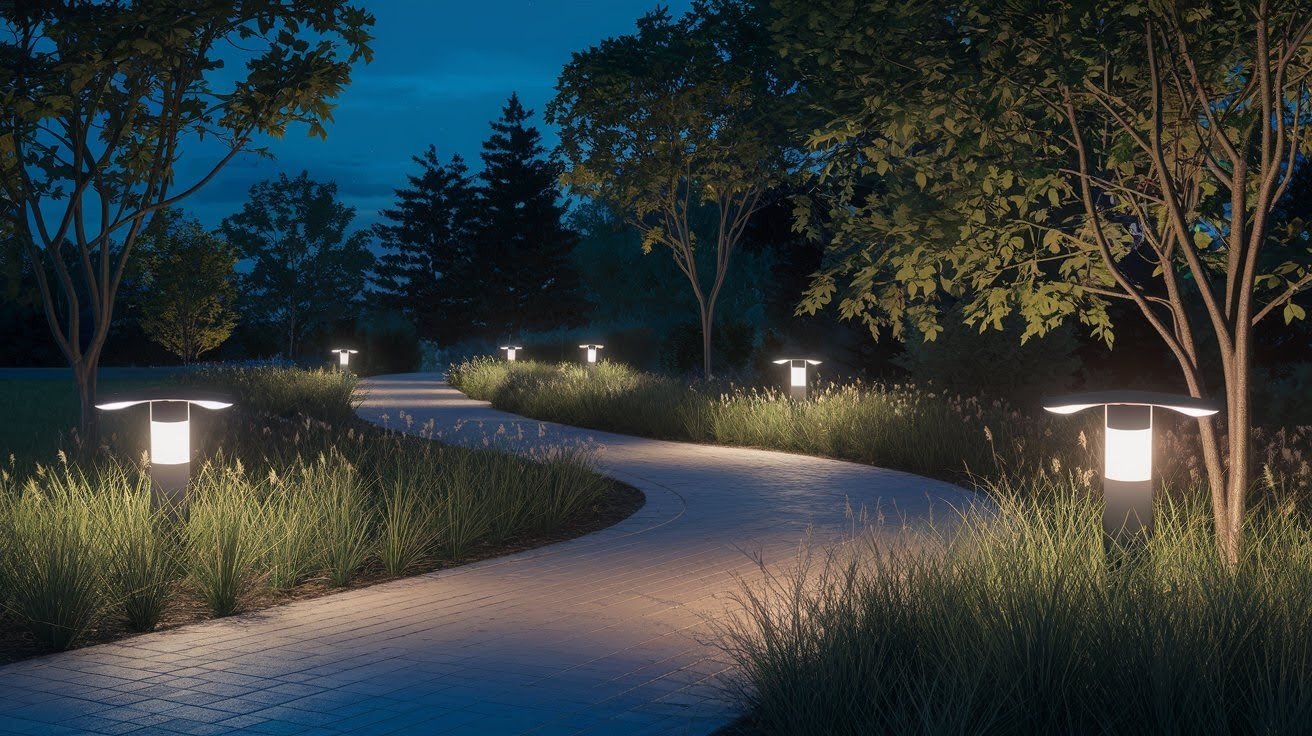
Too much outdoor lighting creates problems beyond your property line. Excessive brightness can disturb your neighbors’ sleep, confuse wildlife, and contribute to light pollution that affects everyone in your community.
Many animals, including birds, insects, and small mammals, rely on natural darkness for their normal behaviors. Overly bright outdoor lights can disrupt their feeding, mating, and migration patterns. Using motion sensors, timers, and the minimum wattage needed for safety helps.
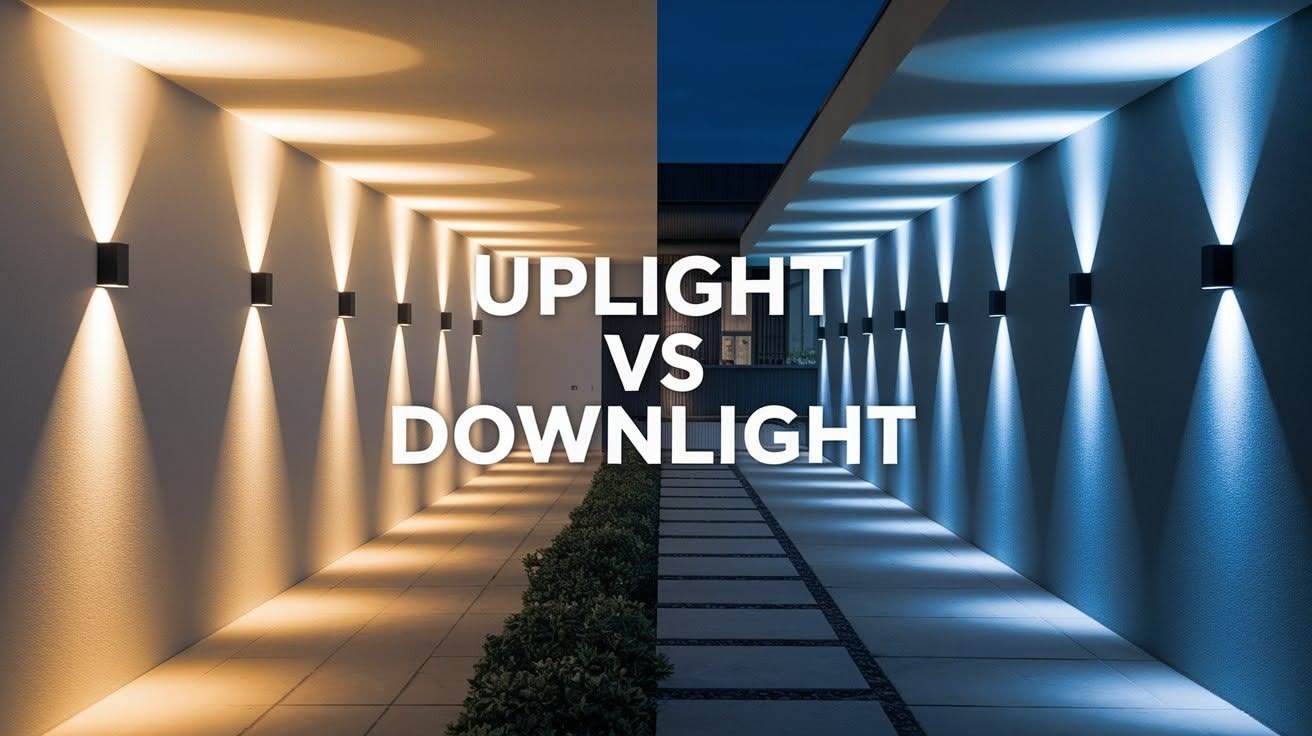
The best approach balances your needs with environmental responsibility. Shield your outdoor fixtures so light points downward instead of up into the sky. Choose warm-colored bulbs (2700-3000K) that have less impact on wildlife and neighbors.
How to Choose the Right Outdoor Light Fixtures by Wattage?
Choosing the right outdoor fixtures means matching bulb type and wattage to each space, planning for usage, weather, and accessibility to ensure long-lasting, attractive lighting.
LED Outdoor Light Fixtures
LED fixtures give you the most flexibility when choosing what wattage for outdoor lights works for your home. Small areas work perfectly with 5-12-watt LEDs, while medium spaces need 12-25 watts, and large areas often require 25-40 watts or more.
The energy savings from LED outdoor lights add up quickly. If you replace five 60-watt incandescent bulbs with 12-watt LED equivalents, you’ll save about 240 watts every hour they’re on. Over a year, that’s roughly $70-100 in electricity savings depending on your local rates.
Long-term benefits make LEDs the smart financial choice even though they cost more upfront. Most LED outdoor fixtures last 20-25 years with normal use. They work well in cold and hot weather, turn on instantly without a warm-up time, and maintain their brightness over their entire lifespan.
Incandescent Outdoor Fixtures
Some situations still call for incandescent bulbs, though these cases are getting rarer. If you have decorative fixtures with dimmer switches, certain incandescent bulbs still dim more smoothly than some LED options.
Understanding wattage equivalents helps you replace incandescent bulbs with better options later. A 60-watt incandescent bulb produces about 800 lumens, while a 100-watt version makes around 1,600 lumens.
Some people prefer the warm glow of incandescent bulbs for vintage or retro outdoor lighting setups. These bulbs create a specific look that some LED options don’t quite match. If you’re going for this style.
Solar-Powered Outdoor Lights
Solar outdoor lights work differently because they charge during the day and light up at night. Most solar fixtures produce light equivalent to 5-15-watt bulbs, which works well for pathway lighting and small accent lights.
Battery capacity matters more with solar lights than traditional wattage ratings. Larger solar panels and bigger batteries let fixtures stay bright longer after sunset. Check that your solar lights have enough battery capacity to last through your entire evening.
Solar lighting works best for specific applications rather than trying to light everything. Use them for garden paths, mailbox lighting, or accent lights around flower beds. For areas needing reliable, bright light, like entrances or security zones.
Motion Sensor and Smart Outdoor Lights
Motion-activated outdoor lights need enough wattage to clearly light an area when they turn on. Most work well with 15-30 watt LEDs that produce 1,200-2,000 lumens. This brightness level lets you instantly see what triggered the sensor without wasting electricity by keeping bright lights on all night long.
Automation makes outdoor lighting more efficient by only using power when you actually need light. Motion sensors can cut your outdoor lighting electricity use by 50-80% compared to leaving lights on from dusk to dawn.
Smart outdoor lights with adjustable brightness give you even more control. You can set them to 30% brightness for normal evenings and have them automatically increase to 100% when motion is detected.
Common Mistakes to Avoid When Selecting Outdoor Light Wattage
Avoiding common outdoor lighting mistakes saves time, money, and frustration. Choosing the right wattage means focusing on, not just brightness.
- Choosing bulbs based only on wattage instead of lumen output leads to poor results.
- Different bulb types produce different lumens at the same wattage
- Lumens tell you actual brightness, while wattage only tells you power consumption
- Always check lumen ratings first, then look at wattage for efficiency comparison
- Two bulbs with the same lumens but different wattages mean one is more efficient
- Installing bulbs with higher wattage than the fixtures are rated for creates fire hazards
- Using weatherproof bulbs in non-weatherproof fixtures leads to quick failures
- Mixing bulb types in the same area creates uneven color and brightness
- Always check fixture maximum wattage ratings before buying bulbs
- Use only outdoor-rated fixtures and bulbs in outdoor locations
- Winter darkness comes earlier and requires lights to run longer hours
- Summer may need different lighting for evening outdoor activities
- Cold weather can affect some bulb types’ performance and brightness
- Consider seasonal usage patterns when calculating energy costs
- Plan for year-round needs rather than just current season requirements
Conclusion
For your outdoor lights’ wattage, small areas need only 5-15-watt LED lights, medium areas need 12-25-watt LED lights, and larger areas need 25-40 watts or more. The purpose of the lighting is also a factor. Security lights use more watts than ambient lights, even if the lighting is for the same area.
LED bulbs have great brightness, efficiency, and lifespan. They consume 75% less power than older, more energy-intensive incandescent lamps with a lifespan of 20 to 25 years. They thus compensate for their higher first costs.
Consider outdoor lighting needs prior to the purchase. Consider every space around the house now. Consider how you’ll actually be using your outdoor areas. For larger outdoor lighting projects, engage a professional.
Frequently Asked Questions
What wattage LED should I use to replace a 60-watt outdoor bulb?
A 10-12-watt LED bulb replaces a 60-watt incandescent perfectly. Both produce about 800 lumens of brightness, but the LED uses much less electricity and lasts years longer, saving you money on bills and replacements.
How many watts do I need for outdoor security lighting?
Security lights typically need 15-40 watt LED bulbs producing 1,200-3,000+ lumens. This brightness level clearly lights large areas and discourages intruders. Motion sensors make these higher wattages more affordable by only running when needed.
Is 5 watts enough for outdoor pathway lights?
Yes, 5-8-watt LED bulbs work perfectly for pathway lighting. They produce 200-400 lumens, which gives you enough light to see walkways clearly without creating harsh glare. Space them 6-8 feet apart for best results.
What wattage for outdoor lights saves the most energy?
LED bulbs at any wattage save the most energy compared to incandescent or fluorescent options. A 12-watt LED produces the same light as a 60-watt incandescent, cutting electricity use by 80% while lasting 20 times longer.
Can I use different wattages in the same outdoor area?
Yes, mixing wattages works well for creating layered lighting effects. Use lower wattage for ambient light, medium wattage for task areas, and higher wattage for security zones. Just make sure all fixtures are compatible with your chosen bulbs.